

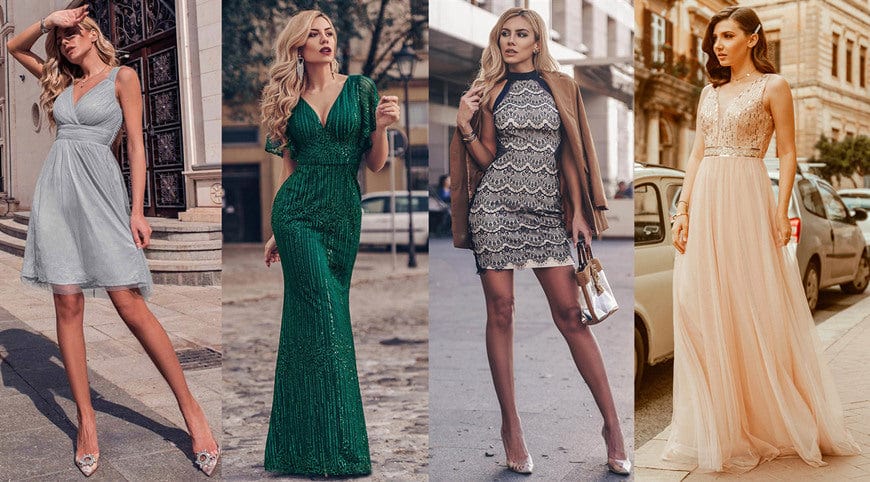
Long dress or short dress? A guide to choosing the right style for you.
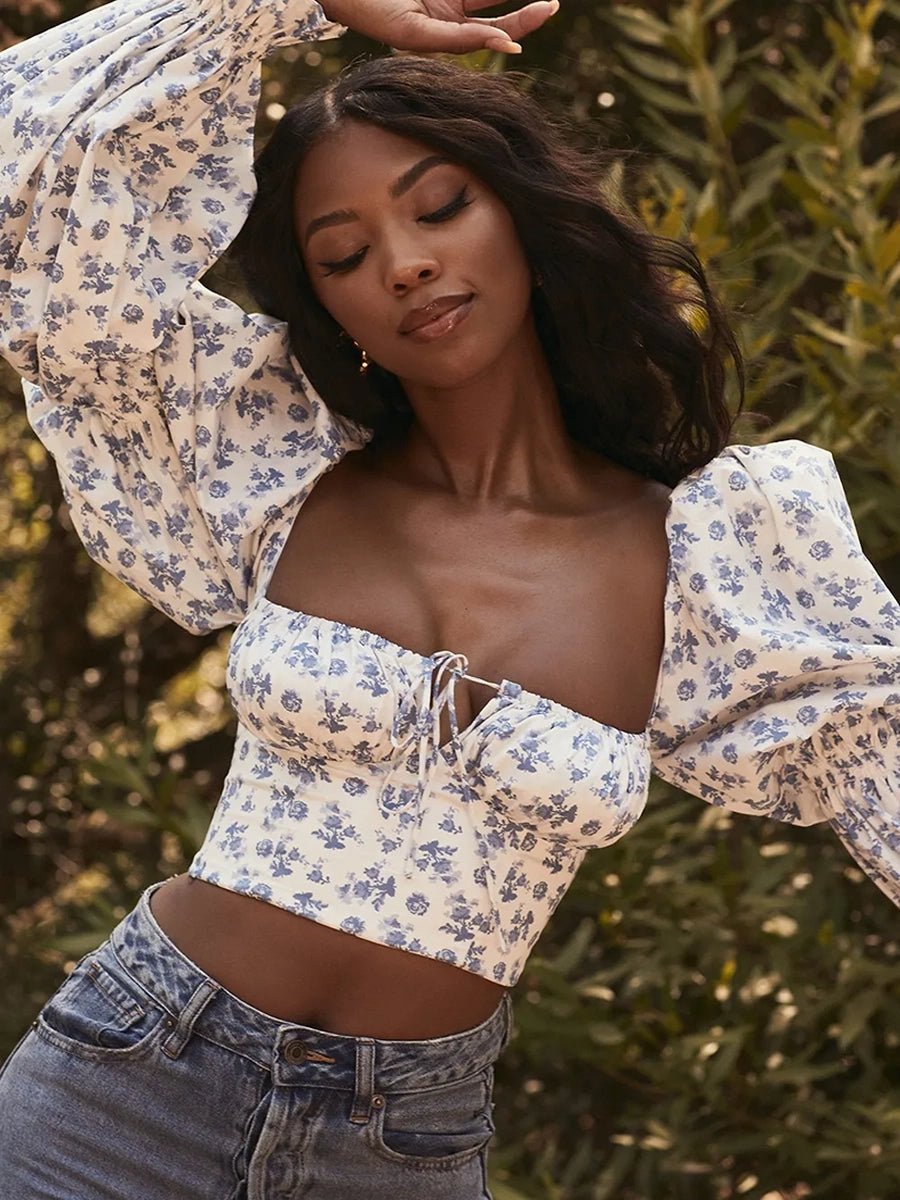
Choosing between a long or short dress depends on various factors, ranging from personal preference and intended use to the specific occasion. However, do you know how to leverage the strengths and mitigate the weaknesses of each style to flatter your figure and conceal any imperfections? In this article, Celidior will help you gain a better understanding of this.
Choosing a dress style based on body shape
Short dress
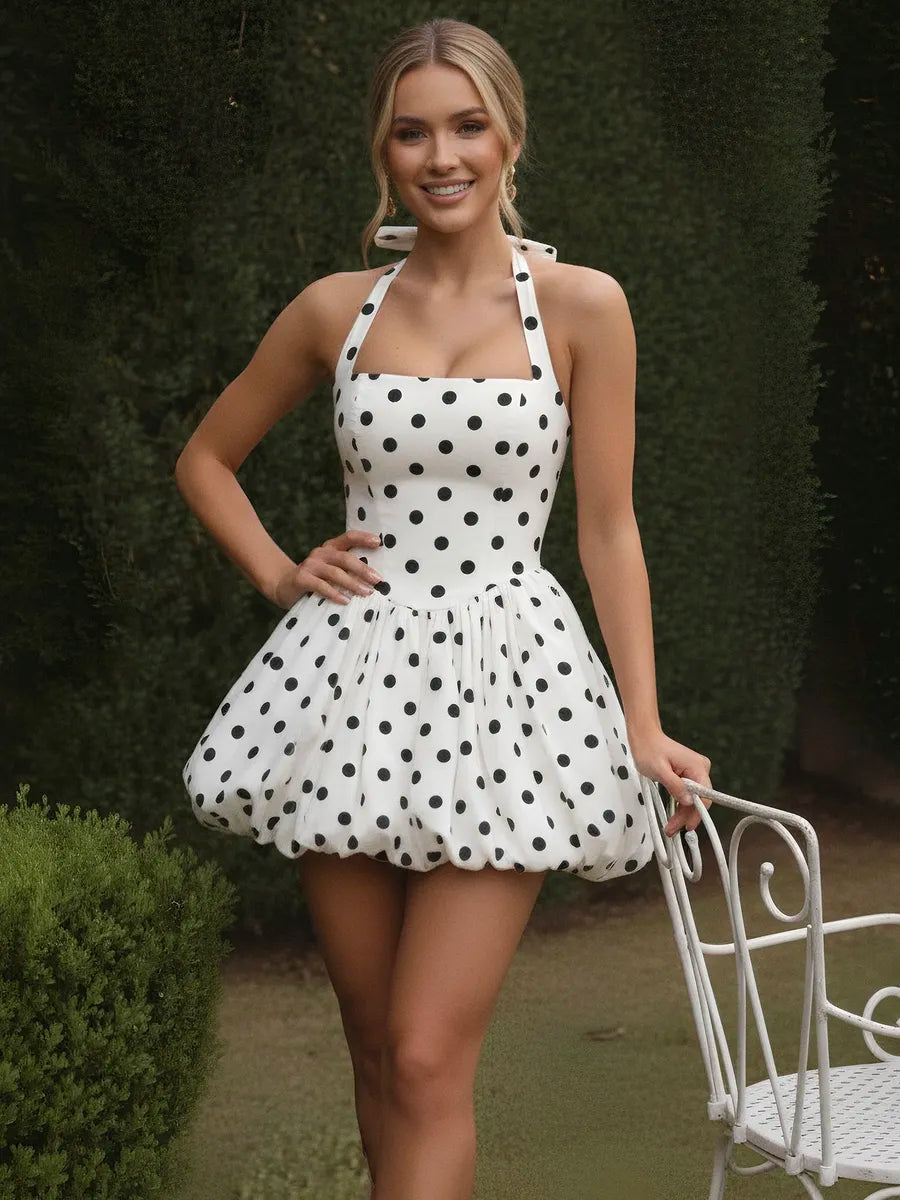
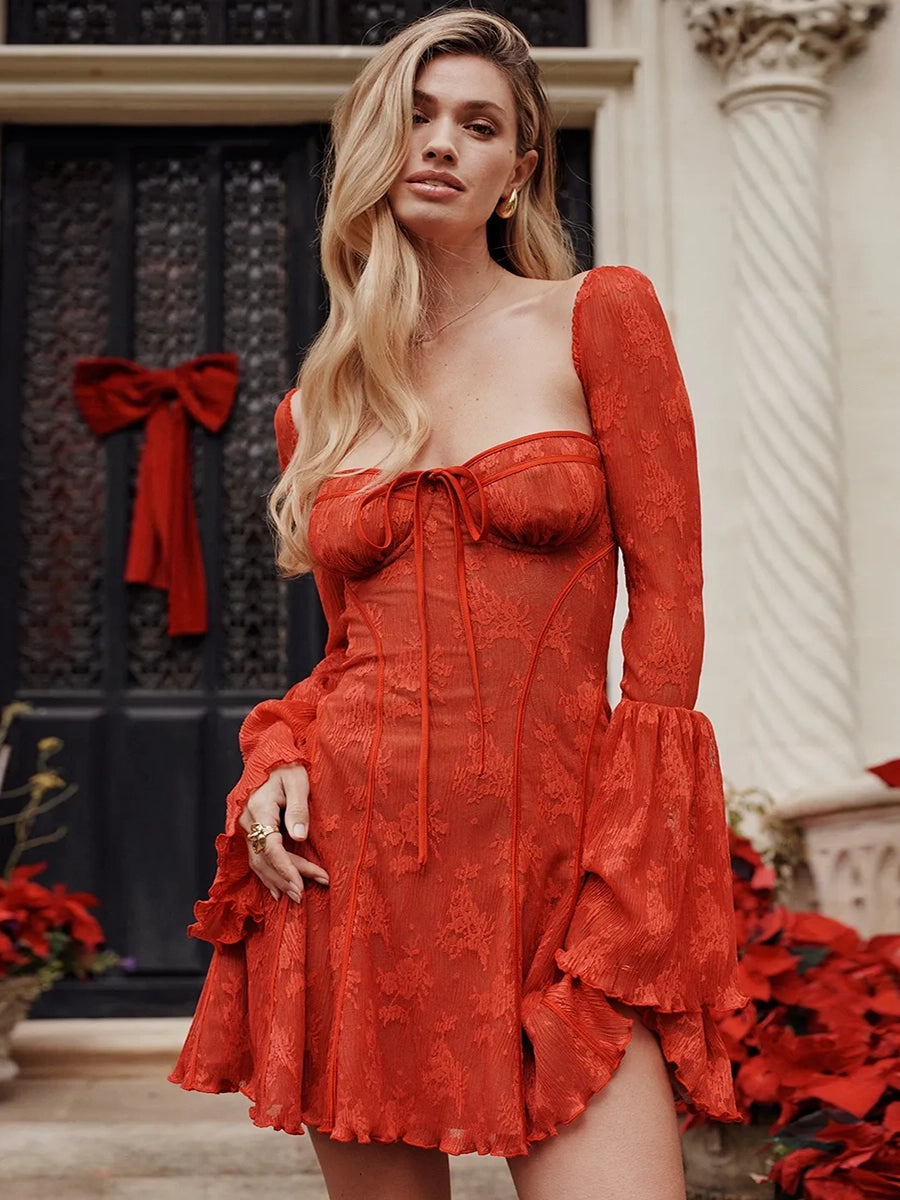
Short dress—typically ending above the knee—lend a fresh, energetic vibe to the wearer. Their versatility ensures ease of movement and comfort during any activity. Styles such as flared, pleated, or straight-cut skirts offer a comfortable fit while accentuating femininity. Highly versatile, short skirts are suitable for a wide range of occasions; however, since body types vary, selecting a style that complements your specific figure will result in a more polished and cohesive look.

First, for a tall, slender figure, a short dress is the perfect choice. Short dresses accentuate long, slim legs while highlighting your height and graceful silhouette. Simple shift dresses or gently flared styles work beautifully to showcase this ideal figure.
For a pear-shaped figure (wider hips and narrower shoulders), short dresses featuring a defined waist or an A-line cut help balance the upper and lower body. These styles highlight the waistline while drawing attention away from the hips. However, it is best to avoid tight, body-hugging dresses, as they can emphasize hip width and disrupt your body's natural balance.
Finally, for those with a rounder or petite build, short dresses are an excellent option for creating the illusion of a taller, slimmer figure. Simple designs with clean lines lend a graceful, refined look to your silhouette. In particular, high-waisted short dresses elongate the legs—creating a taller, leaner appearance—and help achieve harmonious body proportions.
Long dress
Long dresses—typically reaching the ankles or the ground—lend a feminine, elegant, and sophisticated air to the wearer. However, evolving fashion trends have introduced a wide range of styles and colors that can also project a bold, confident aura. Just as with short dresses, understanding which long dress styles best suit your body type will help you look your best and flatter your figure.
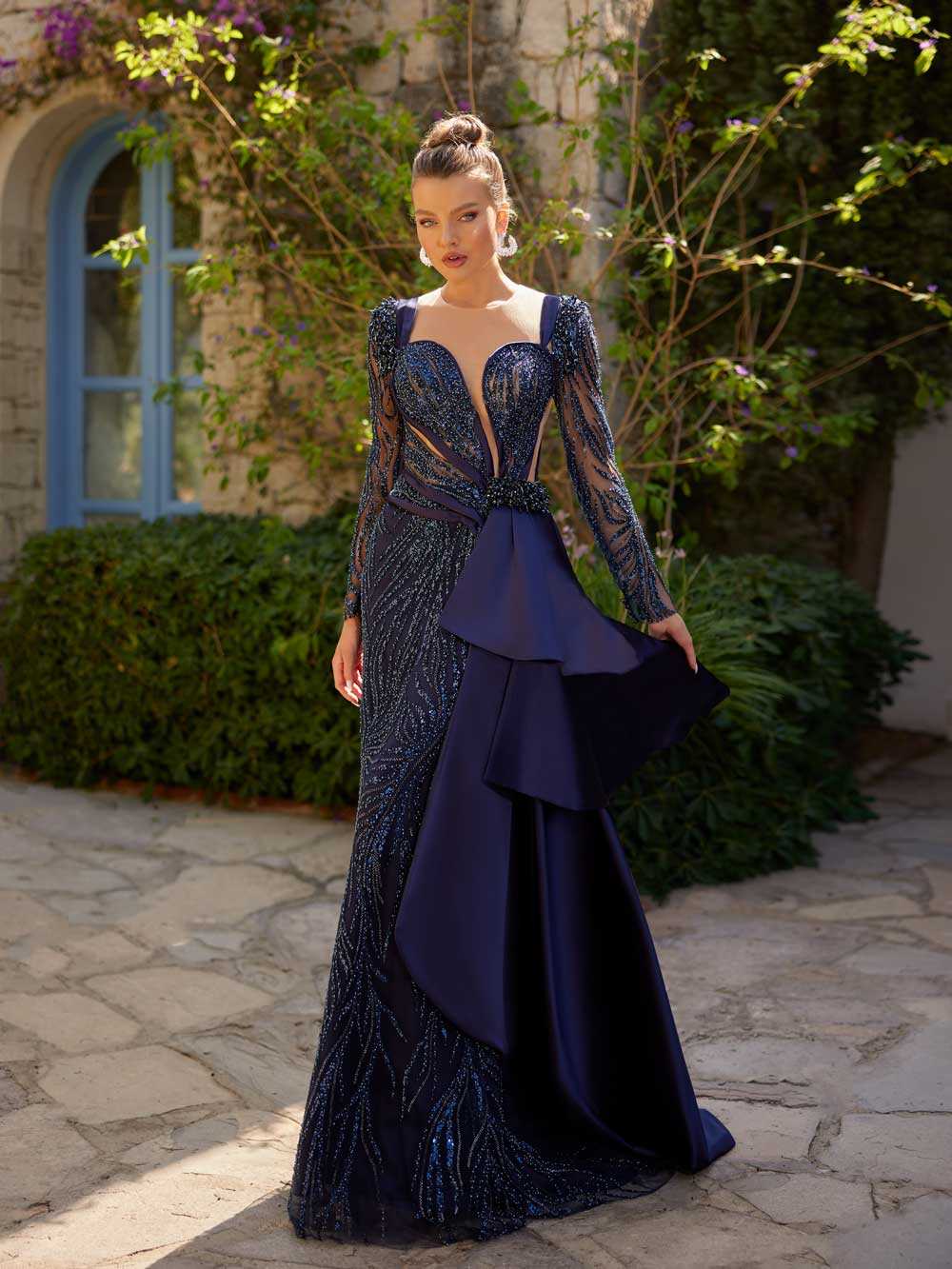
For tall, slender figures, long dresses create an elegant, fluid look that highlights height and a slim silhouette. You might try simple, airy maxi dresses or full, flared styles to accentuate your natural beauty.
For an apple-shaped figure (broad shoulders, a fuller waist, and slender legs), long dresses help balance the proportions by drawing attention away from the midsection and creating a slimmer waistline. Opt for maxi dresses with detailing at the neckline or shoulders to balance your upper and lower body, resulting in a harmonious overall look.
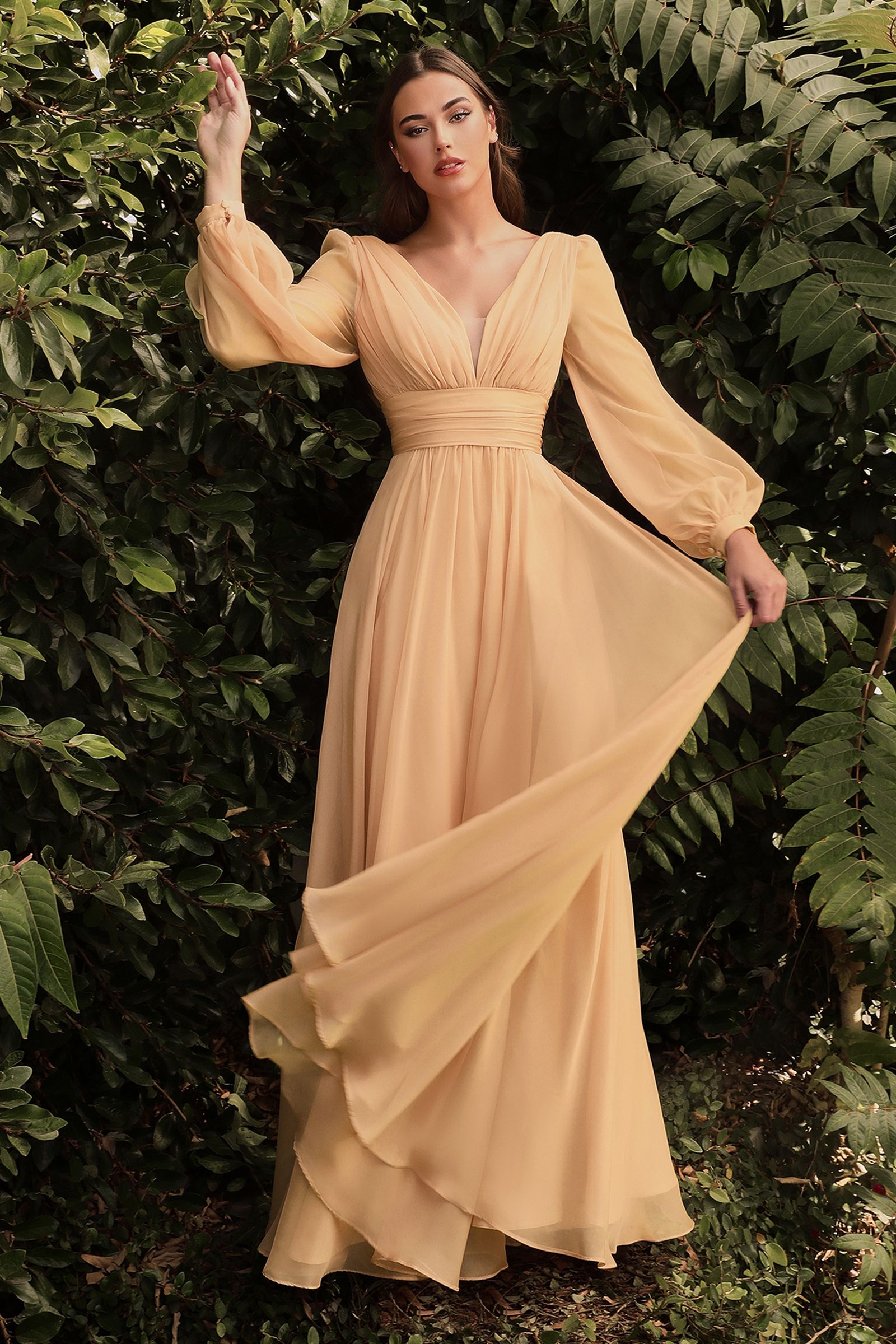
If you have a petite frame or modest height, a long skirt with a slit or vertical cut lines can create the illusion of longer legs. Additionally, opting for a high-waisted long skirt can improve your body proportions, making you appear taller and slimmer.
Choosing based on the usage context
Aside from choosing between a short or long dress based on your body shape, you can also select one according to the specific occasion.
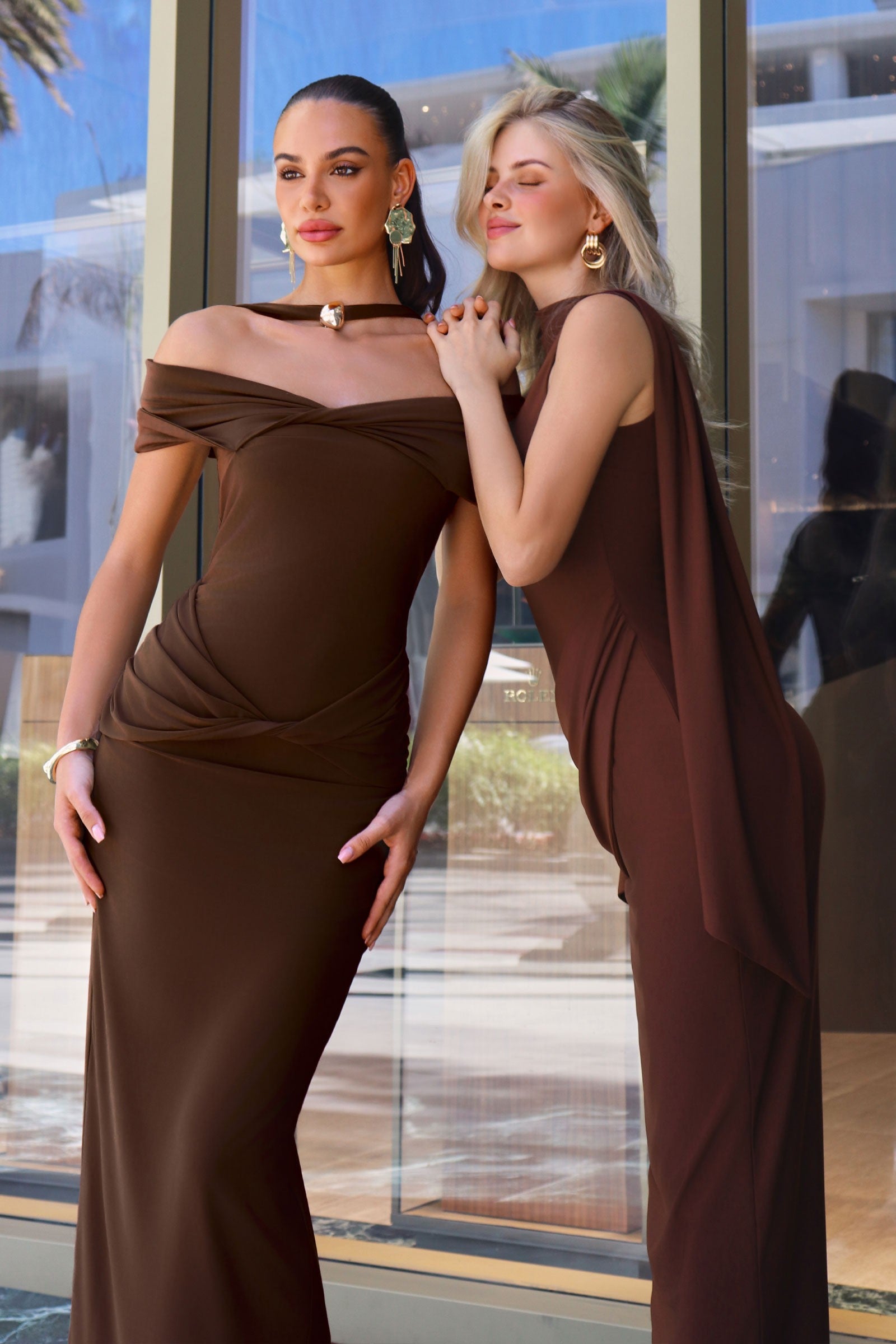
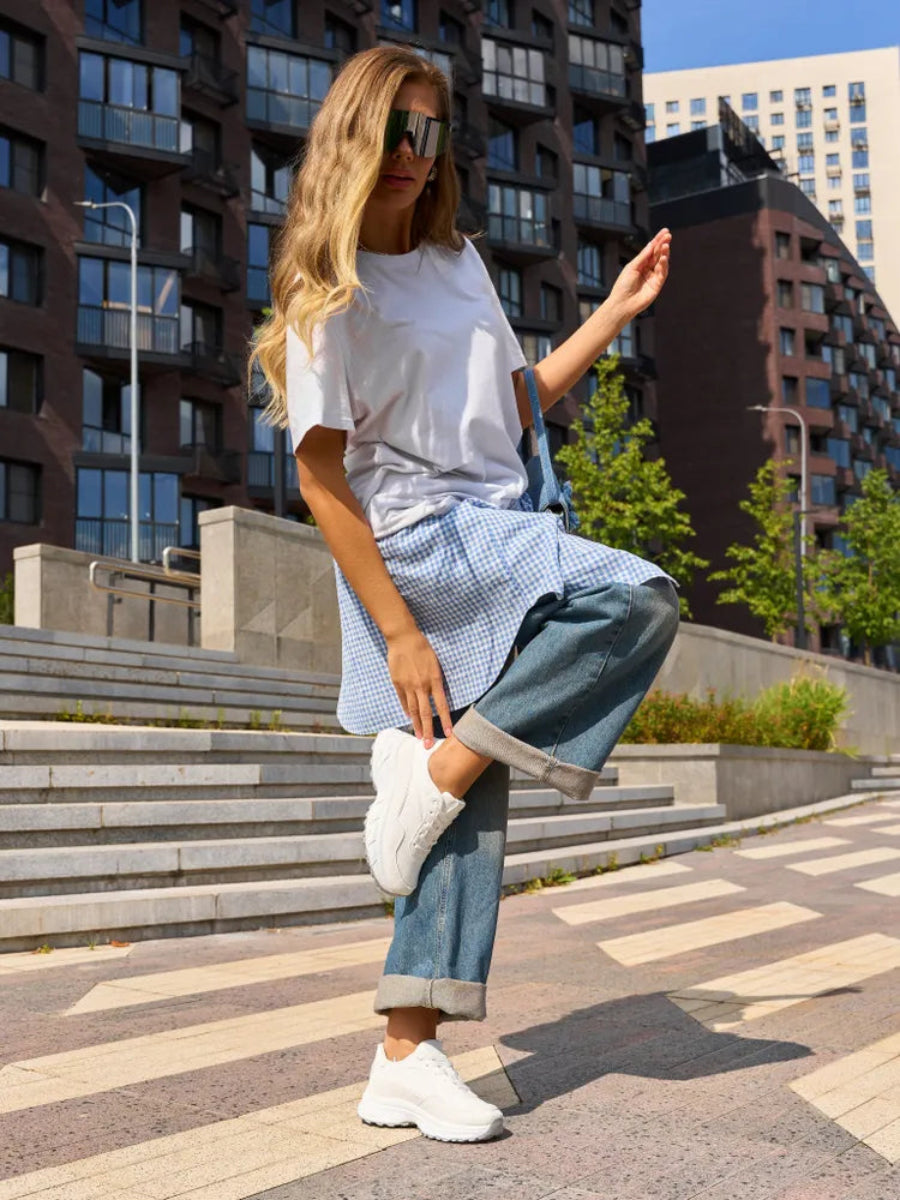
For casual outings or strolling around town, short skirts or midi skirts (calf-length) are excellent choices, offering comfort, a dynamic vibe, and ease of movement. These styles allow for freedom of action, making them perfect for hanging out with friends or walking through the city. Short skirts let you show off your legs, while midi skirts offer a feminine, graceful look that remains practical for any activity.
Conversely, for parties or important events, long dresses are a more suitable choice, as they exude luxury, elegance, and sophistication. These dresses help you shine at formal gatherings while highlighting your graceful and captivating beauty. Long dresses are also ideal for galas or weddings, where a formal and polished appearance is required. Their silhouette helps you stand out in a crowd, creating an air of luxury and allure.
Choose accessories that complement each style of dress.
Properly coordinating accessories with your clothing not only helps you create a flawless look but also enhances the overall appeal of the outfit. Conversely, neglecting this balance can diminish the outfit's impact and result in an unappealing appearance. Each accessory plays a distinct role, and your choices regarding selection and coordination significantly influence your overall look.
:extract_cover():upscale()/2019/10/17/881/n/45961726/80a26392c2395b6e_GettyImages-1174897408.jpg)
For instance, pairing a short dress with sneakers or sandals creates a youthful, energetic look that is perfect for casual outings or meeting up with friends. In contrast, high heels are a better choice for parties, as they add a touch of glamour and elegance; pairing a formal dress with sneakers or sandals would lack the necessary formality and might come across as unprofessional or suggest a lack of regard for the special occasion.
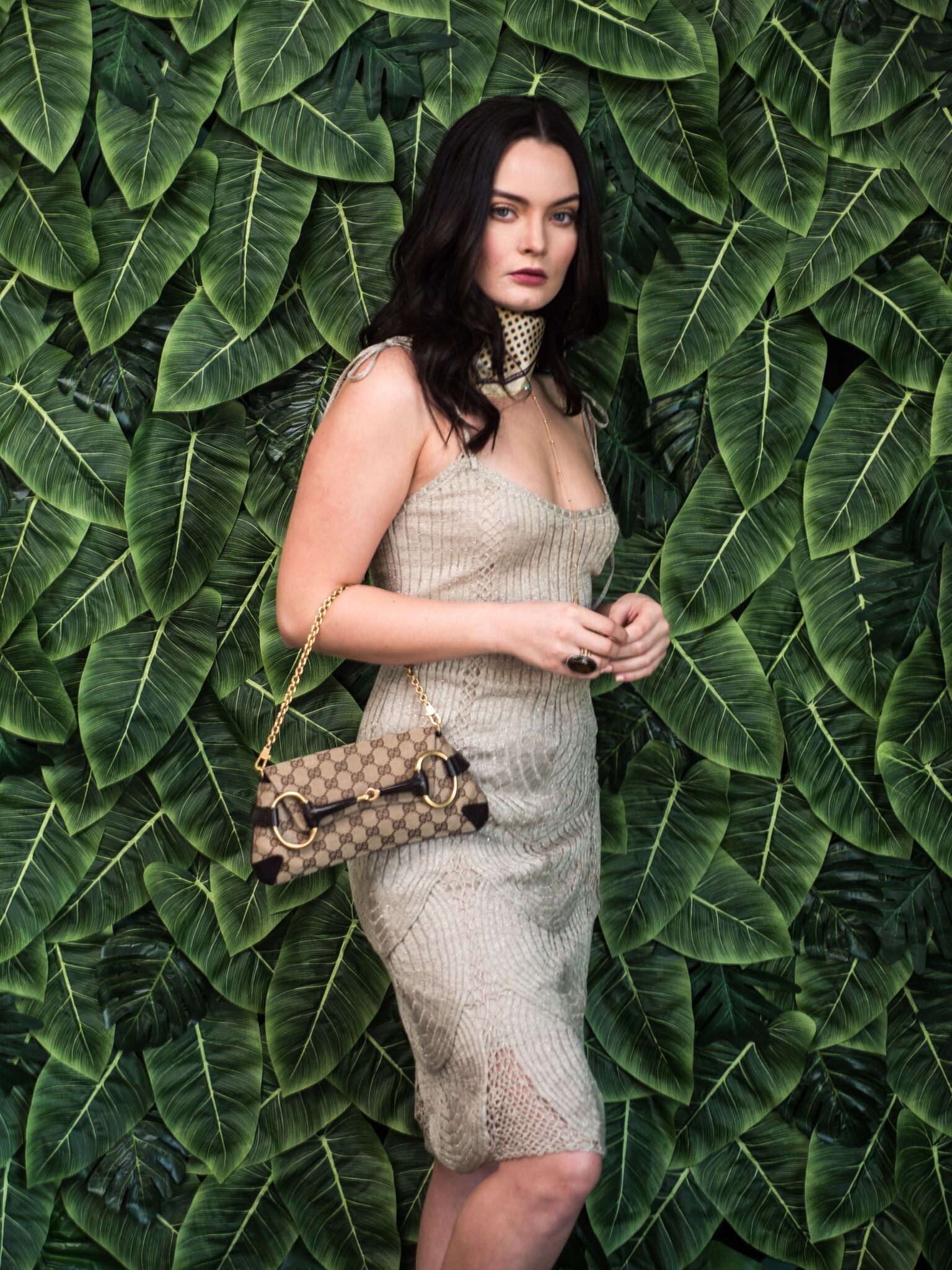
While accessories can help you stand out, overdoing it—such as wearing too many necklaces and earrings or carrying an oversized bag with an elegant dress—can create a cluttered look and detract from the outfit's sophistication.
Conclude
In short, choosing between a long or short dress depends on personal preference, body shape, and the occasion. Each style can help enhance your beauty.


De Celi Dior
Dejar un comentario
Este sitio está protegido por hCaptcha y se aplican la Política de privacidad de hCaptcha y los Términos del servicio.