

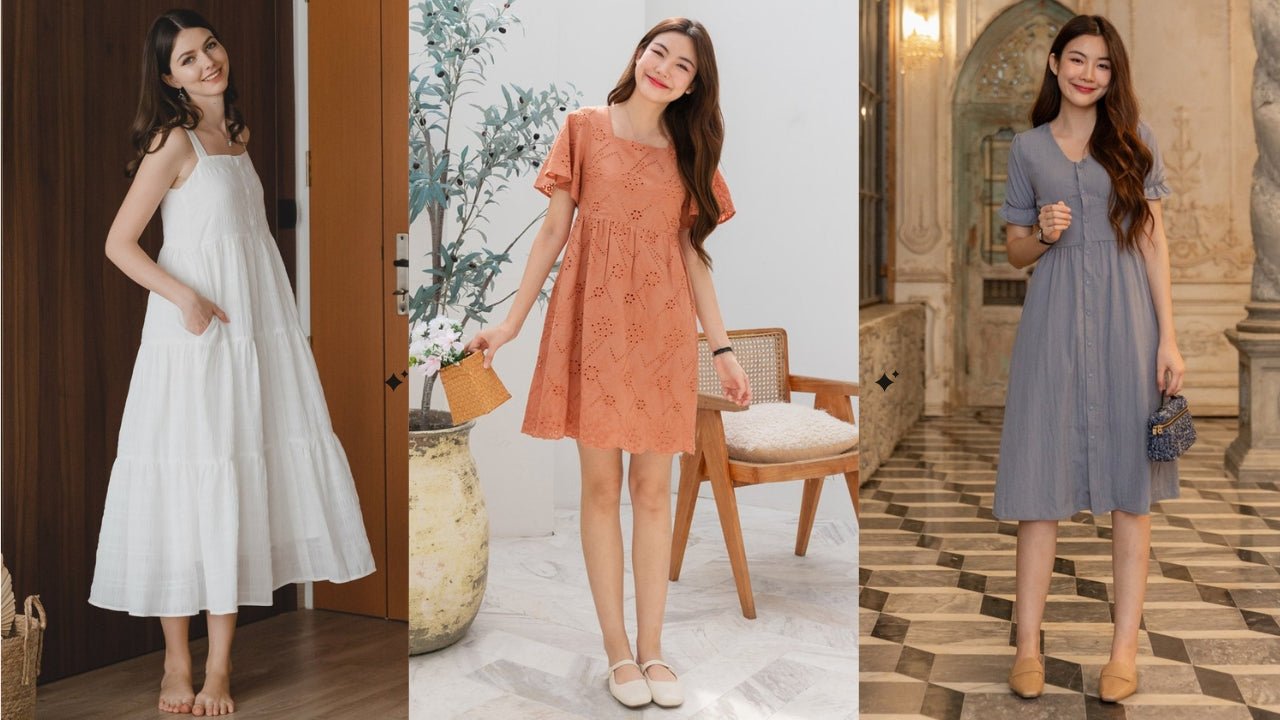
Distinguishing Between Maxi, Midi, and Mini Dresses by Length
Every dress length offers its own unique charm. This article will help you distinguish between maxi, midi, and short dresses, making it easier to choose a style that suits your personal taste and the vibe you wish to convey.
Fashion holds a magical quality, where shifting a dress hemline by just a few centimeters is enough to completely transform one's style and define one's aura. There are days when you might embrace the energetic vibe of a short dress, the refined elegance of a classic midi, or the graceful, flowing allure of a maxi dress. Whatever style you aim for, mastering these proportions grants you the freedom to express yourself through your wardrobe. With this guide to dress lengths, you will gain a clear understanding of the various options, allowing you to effortlessly switch up your look and shine with confidence in any situation.

What is the difference between maxi, midi, and short dresses?
What is a short dress?
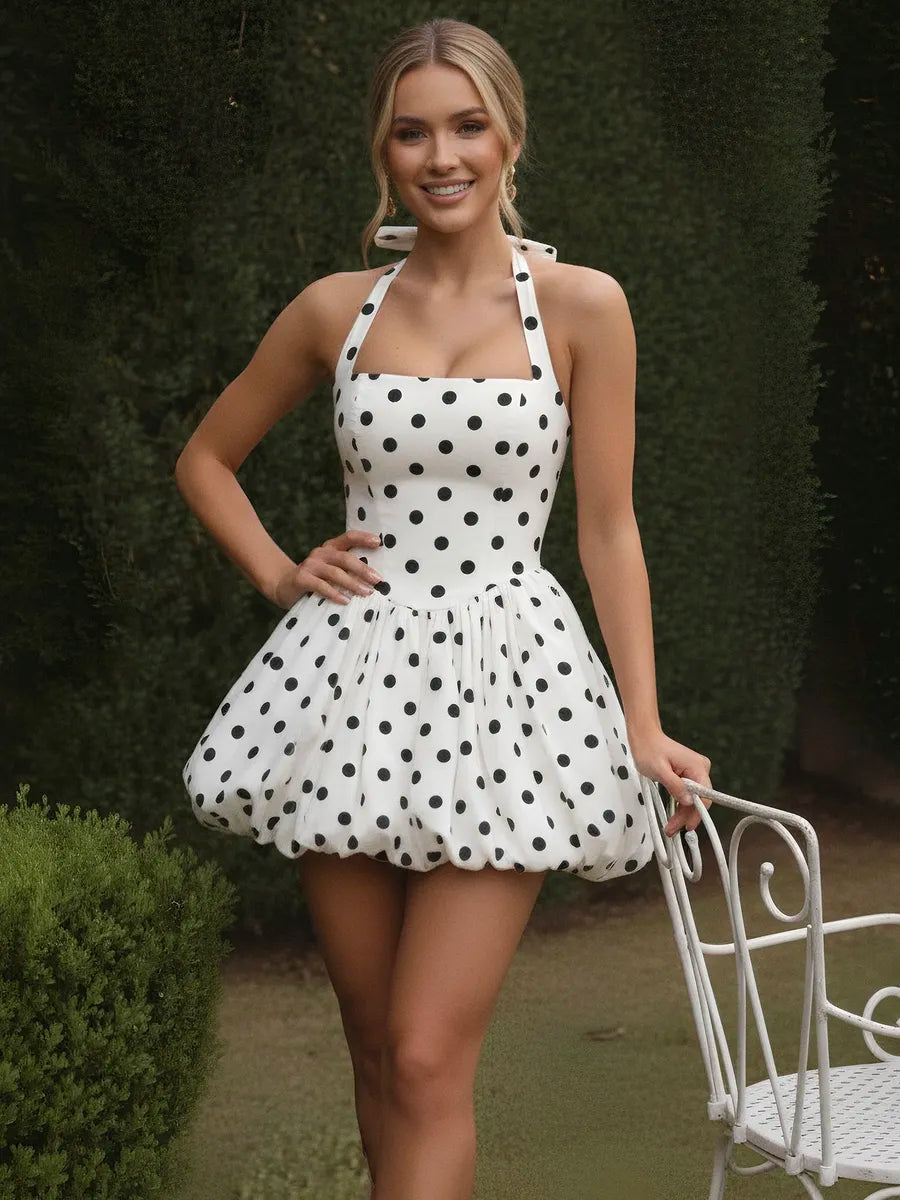
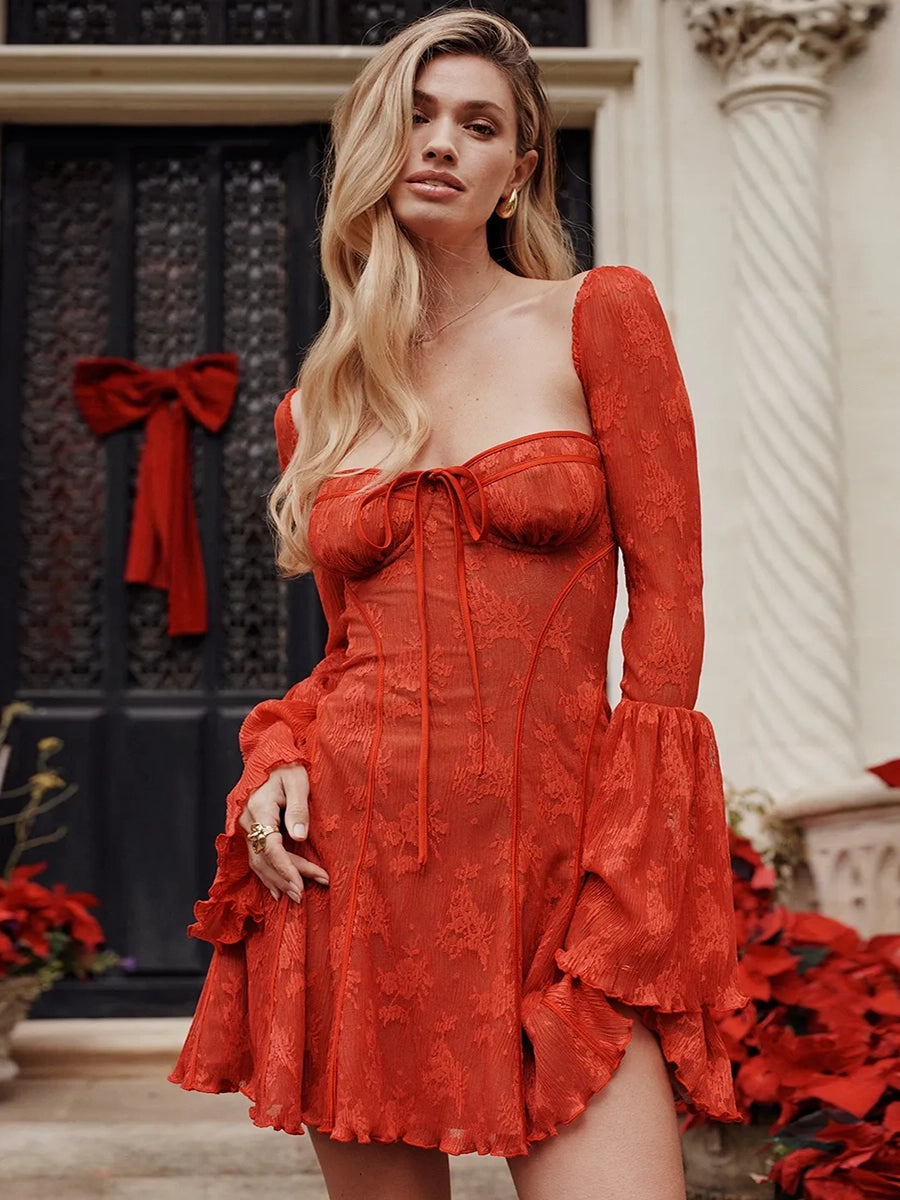
A short dress is a style with a hemline situated above the knee—typically ranging from mid-thigh to a few centimeters above the knee, depending on the design and the wearer's height. This represents the shortest length among the categories of dress lengths commonly found today.
Key features of the short dress
Short dresses offer a youthful, streamlined, and eye-catching look by showing off the legs. They are ideal for creating a light, agile aesthetic and allow for easy styling with sneakers or small accessories like crew socks.
Interestingly, a short dress does not necessarily have to be provocative. When paired with long sleeves, a high neckline, or structured fabric, it can look modern and minimalist—perfect for social gatherings or creative occasions.

Short dresses are ideal for occasions such as casual outings, dates, concerts, and travel, as well as gatherings ranging from relaxed to formal. They are a great choice when you want to create the illusion of longer legs and keep the overall look from feeling heavy, especially in hot weather.
Who do short dresses suit?
Short dresses are particularly well-suited for those wishing to elongate the appearance of their legs and create a slimmer overall silhouette. This style also appeals to individuals who favor a youthful, vibrant, and slightly standout look.
However, short dresses are not limited to any specific body type; the key lies in choosing the right cut. For a look that is both flattering and easy to wear, opt for styles with a gentle flare rather than those that are completely form-fitting. A skirt that flares modestly helps balance the figure while ensuring comfort and ease of movement.
Popular styles of short dresses
Popular short dress styles generally fall into four main silhouettes: A-line, bodycon, shift (straight-cut), and gently flared. Each style creates a distinct overall effect; the difference lies not merely in the length of the dress, but in how the silhouette shapes the wearer's look and feel.
A-line short dresses are favored for their ease of wear and ability to create a balanced silhouette. A fitted waist paired with a gently flared hem lends the outfit a youthful, bright, and refined appearance. In contrast, bodycon short dresses offer a sharper, more defined look that accentuates curves—ideal for when you want an outfit with a more striking focal point.

For those who value comfort and a modern aesthetic, a short, straight-cut dress is a choice worth considering. This style offers a lightweight, streamlined, and unfussy look, making it ideal for everyday wear. Additionally, designs featuring a gentle flare, pleats, or moderate volume are highly popular, as they lend the outfit a soft, feminine touch and create graceful movement.


What is a midi dress?
A midi dress is a style that extends past the knee—usually ending around mid-calf, though the length can vary slightly depending on the design.
The midi dress excels by striking a perfect balance. Overall, it offers a neat, graceful look that is versatile enough for various occasions. It is precisely this mid-length cut that makes the midi a safe yet sophisticated and attractive choice.
Key features of the midi dress
The greatest strength of the midi dress lies in its balance. It retains a feminine charm without making the outfit look overly fussy or frilly. It is long enough to convey a sense of refinement, yet streamlined enough for all-day wear without feeling cumbersome.
A beautiful midi dress is defined not just by its length, but by how the skirt drapes against the body. When the hem falls at mid-calf or slightly lower, the overall look appears lighter and more balanced. Conversely, if the hem hits the widest part of the calf—or if the cut is too stiff—the outfit can easily look heavy and aging.
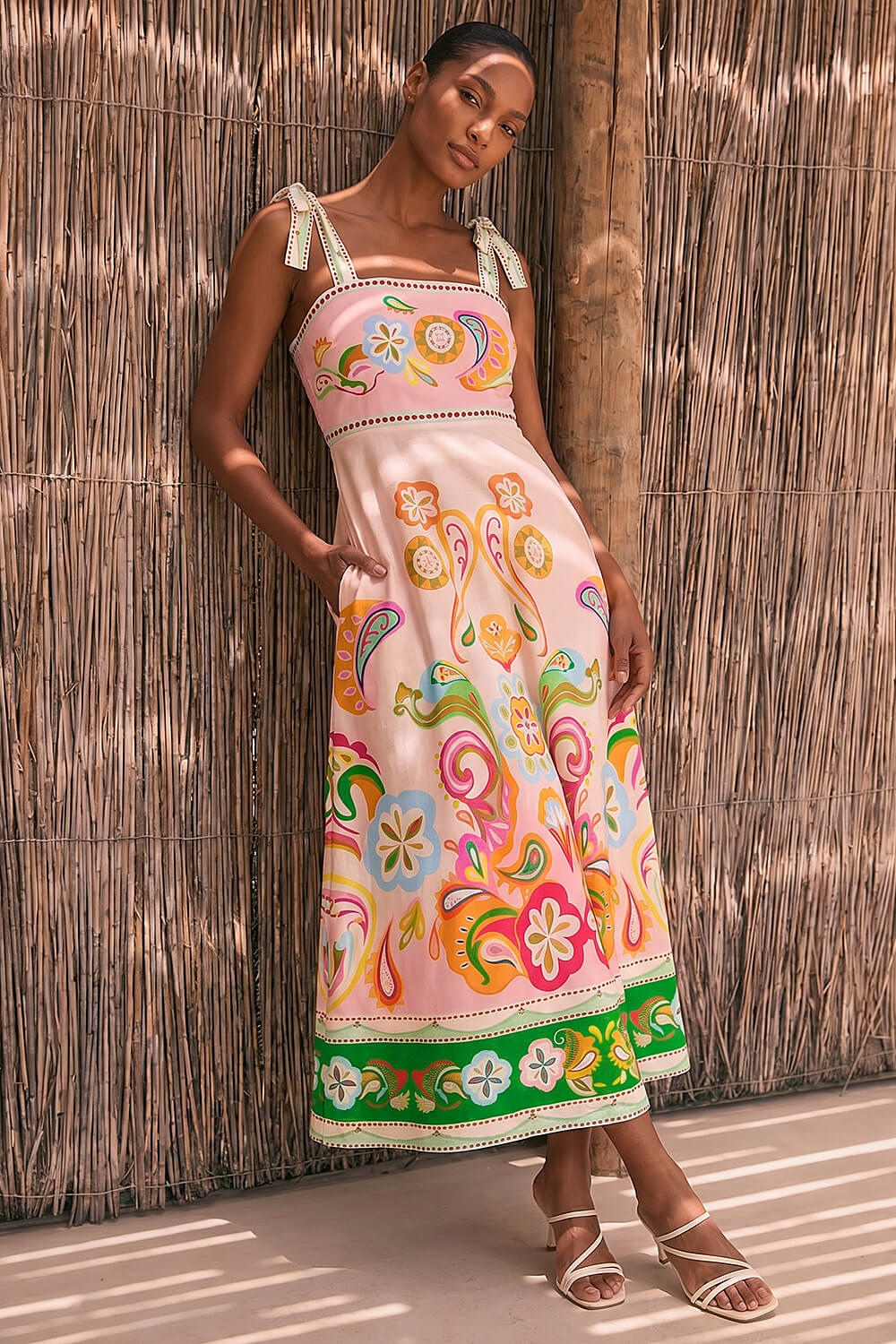
Midi skirts are particularly well-suited for the office, brunch, daytime dates, and casual gatherings. If you only want to invest in one versatile skirt length, the midi is often a more practical choice than a mini or a maxi.

Midi dresses suit a wide range of body types, as their length is neither too short nor too long. They are an excellent choice for those who prefer an elegant, graceful, and mature look. Midi dresses are also ideal for anyone seeking a versatile, easy-to-wear style suitable for various occasions.
For those wishing to create a more balanced silhouette, the midi dress is a great option, as it fosters a seamless visual flow between the upper body and the legs. The overall look becomes even more harmonious if the dress features details that draw the eye to the waist or upper body—such as the neckline or shoulders. This style exudes sophistication without the need for excessive detailing.
Popular midi dress styles
Midi dresses offer not only a variety of silhouettes but also diverse styling options for the neckline, waist, and sleeves. Gently flared designs remain a popular choice, as they create soft movement, offer a graceful overall look, and are versatile enough for various occasions. Regarding the bodice, necklines often feature V-necks, square necks, or halter styles; each creates a distinct effect on the shoulders and neck, helping to make the face appear more refined.
As for the waist, fitted, wrap, and high-waisted styles help define the figure and create the illusion of longer legs, whereas straight-cut designs offer comfort and a minimalist aesthetic. Sleeves also serve as a key design element—ranging from short and long to puffed or three-quarter length—contributing to styles that span from elegant to feminine.
Despite these varied details, the defining characteristic of the midi dress remains its mid-calf length, striking a perfect balance between elegance and everyday practicality.


What is a maxi dress?
A maxi dress is a style that reaches the ankles or nearly touches the ground. Among dress lengths, it offers the most coverage, creating a seamless drape that lends an elegant look and elongates the silhouette.
Key features of maxi dresses
The most immediately noticeable advantage of the maxi dress lies in its soft drape and the way it flows rhythmically with every step—a signature romantic quality that dynamic short dresses or elegant midi dresses struggle to fully capture. Furthermore, when crafted from lightweight materials like chiffon or silk, the design remains incredibly cool and breathable rather than stifling, offering a look that is both sophisticated and modest for summer days.
:max_bytes(150000):strip_icc()/GettyImages-1382987395-dfea9dd6a4884f47b2f9037ef7d8ed5f.jpg)
You might opt for a maxi dress when you want an outfit that feels effortless and romantic. This style is particularly suitable for occasions requiring comfort—such as events involving long periods of sitting—or when you wish to maintain an elegant look without the need for elaborate styling. Additionally, a maxi dress is a sophisticated choice if you want to conceal your thighs or knees while still achieving a soft, graceful silhouette.
While many worry that the length of a maxi dress is difficult to pull off, it is actually more flattering than you might think. Tall women can easily carry off this design. However, petite women can also look stunning in it by accentuating the waist, choosing an open neckline, and pairing the dress with well-fitted high heels to balance their proportions.

The world of maxi dresses is incredibly diverse, featuring elegant A-line silhouettes, curve-hugging styles, versatile wrap dresses that define the waist, and minimalist camisole designs with a modern edge. Regardless of the variation, the overarching spirit remains one of softness, femininity, and seamless fluidity.
Differences between maxi, midi, and short dresses
| Criteria | Short dress | Midi dress | Maxi dress |
| Skirt hem length | Above the knee, usually mid-thigh. | Between the knee and the ankle, usually in the middle of the calf. | From the ankle to near the ground. |
| Coverage | At least. | Medium. | The most. |
| Best for | Parties, casual outings, warm weather | Work, brunch, weddings, dinner. | Travel, outdoor events, formal occasions |
| Overall feel | Youthful, dynamic, and leg-flattering. | Balanced, elegant, versatile. | Elegant, feminine, refined. |
| The role of shoes | Minimal impact on the overall picture. | It is important to balance the proportions. | It is important to keep the overall look neat. |
Tips for styling outfits based on length
Short dresses
Short dresses pair versatilely with sneakers, strappy sandals, ankle boots, or loafers, depending on the style you wish to achieve. To balance the short hemline, you can layer a blazer or an unbuttoned shirt over the dress for a more polished and sophisticated look.
Midi dresses
Midi dresses suit a variety of footwear, such as high heels, flats, mules, or even sneakers if the design is modern enough. Adding a slim belt or a cropped jacket can define your waist and maintain balanced body proportions, preventing the lower half of your body from looking too heavy.
Maxi dresses
Maxi dresses pair best with low-heeled sandals, wedges, or moderate heels to keep the hemline off the ground. Opt for minimalist accessories, as the dress itself is already fluid and eye-catching; adding too many details can make the overall look feel cluttered or heavy.
Common mistakes
The most frequent mistake is choosing a midi dress that ends at the widest part of the calf, which makes the legs appear shorter. Another error is selecting a maxi dress that is too long for your preferred footwear, causing the hem to drag and ruining the dress's silhouette.
Additionally, many people choose short dresses simply because they are trendy, overlooking comfort when sitting or moving. A beautiful dress that doesn't suit your daily lifestyle is unlikely to become a wardrobe staple, no matter how fashionable it is.
Conclusion
When comparing the three dress styles, the differences go beyond mere length; each offers a distinct overall vibe, silhouette, and level of comfort. Short dresses tend to exude a youthful, striking appeal; midi dresses offer a balanced, versatile look; and maxi dresses are effortless, feminine, and easy to wear.
For Celidior, the simplest secret to looking your best is to let the occasion guide your choice before considering the silhouette. After all, a dress that truly flatters your figure is one that most authentically reflects your inner mood.


Scritto da Celi Dior
Commenta
Questo sito è protetto da hCaptcha e applica le Norme sulla privacy e i Termini di servizio di hCaptcha.