





WHAT IS THE DIFFERENCE BETWEEN TRAIL RUNNING SHOES AND ROAD RUNNING SHOES?
In the world of running, choosing the right shoe is crucial to ensuring performance and comfort. On flat roads, you may need lightweight and flexible road shoes, while on varied terrain on trails. You will need shoes with better grip and stability. Let’s explore the differences between the two and find the best choice for your running needs!

Understanding Trail and Road Running Shoes
Both types of shoes offer unique experiences for runners. However, from the cushioning to the outsole, each shoe is designed to meet different running demands.
Trail Running Shoes
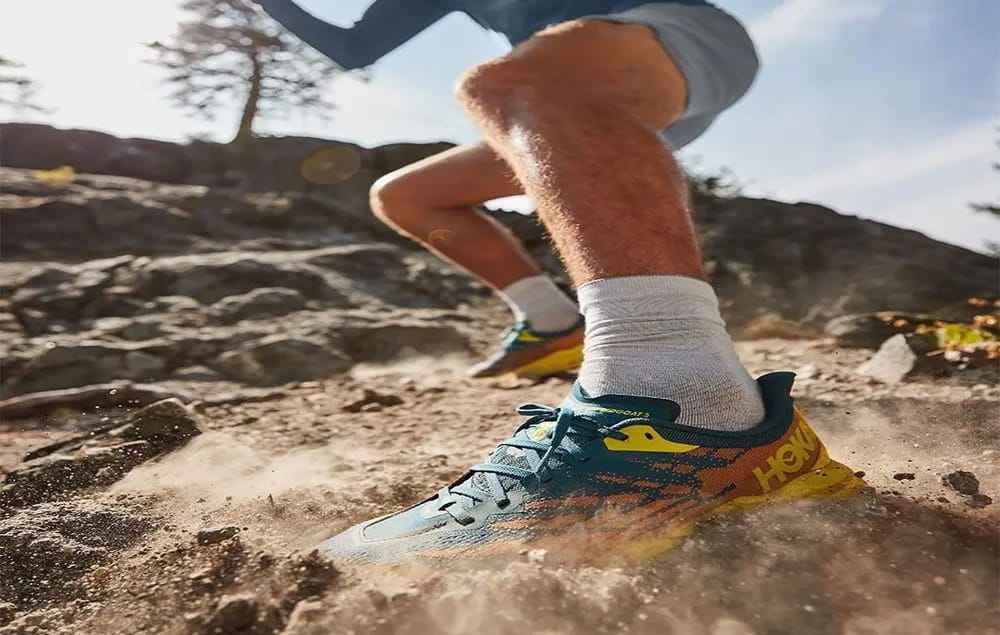
Trail running shoes are shoes specifically designed for running on varied and difficult terrain. Typical terrains include hills, forests, trails, and harsh weather conditions. The main feature of trail running shoes is the special sole with high traction. This helps the wearer stay stable on rocky, grassy or particularly slippery surfaces. In addition, trail running shoes are often designed with a sturdy structure and additional cushioning. These features absorb shock and support the foot when running on uneven terrain. The materials and construction of trail running shoes are often optimized to be waterproof. They also protect the foot from obstacles such as rocks or tree branches. This helps runners feel secure when participating in outdoor running activities on difficult terrain.

Road Running Shoes
Road running shoes are shoes designed primarily for running on flat, hard surfaces such as streets and dirt courts. They are also suitable for artificial turf. The main feature of road running shoes is a flat, flexible sole. This allows the wearer to move smoothly and flexibly on flat surfaces. Usually made from lightweight materials such as breathable mesh, road running shoes often have good cushioning. This cushioning helps absorb shock and reduce pressure on joints and muscles during running. Road running shoes are designed to be versatile and suitable for medium- to long-distance running on flat surfaces. They often do not have the high-grip soles of trail running shoes.

Pros and cons of trail running shoes and road running shoes
When comparing road running shoes and trail running shoes, we can see notable differences between the two. Road running shoes usually have outsoles made from smooth blown rubber. This helps the shoes grip well on flat road surfaces. Trail running shoes usually have outsoles designed with grippy rubber. This increases traction on rough surfaces and diverse terrain. Road running shoes usually do not have rock plates to protect the feet from sharp objects. Trail running shoes are usually equipped with rock plates. These plates ensure safety when running on difficult terrain.

Road running shoes are typically less durable than trail running shoes. They focus on light weight and comfort on flat surfaces. Trail running shoes, on the other hand, are typically more durable and handle all types of terrain well. Road running shoes are typically less rigid than trail running shoes, making them better suited for flat surfaces. Trail running shoes are typically more rigid to handle harsh terrain conditions.
Comparing Grip
Road running shoes are typically designed with a smooth, flat outsole made from blown rubber or other soft materials. This gives the shoe a large, smooth contact area with the road surface. It allows for a smooth, quiet ride on flat surfaces. However, due to this design, the grip of road running shoes may not be as effective on wet or slippery surfaces. Grip can be especially limited when running on varied terrain such as trails or dirt.
Meanwhile, trail running shoes often have outsoles designed with deeper lugs or studs. These provide more grip on rough surfaces and difficult terrain. Rubber grip is used to enhance grip on rocky, grassy or slippery soil. This helps the wearer feel secure and stable while running on uneven and difficult surfaces. Therefore, in conditions of running on streets or flat surfaces, road running shoes can provide enough grip. They allow runners to move safely and comfortably. However, when running on difficult and varied terrain, trail running shoes are often the better choice. Their higher grip and stability offer clear advantages.
Protection Comparison
Although there is no rock plate, the cushioning of road running shoes is usually optimized for necessary foot protection. This works best when running on flat and smooth roads. However, this protection may not be enough to cope with harsh terrain conditions. It may also be insufficient against large and sharp objects on the road. Therefore, when running on flat and easy surfaces such as streets, road running shoes usually provide enough protection. However, when running on diverse and difficult terrain, such as trails or rocks, this protection may not be enough. In that case, the runner may need the support of trail running shoes with rock plates and a stronger protective design.
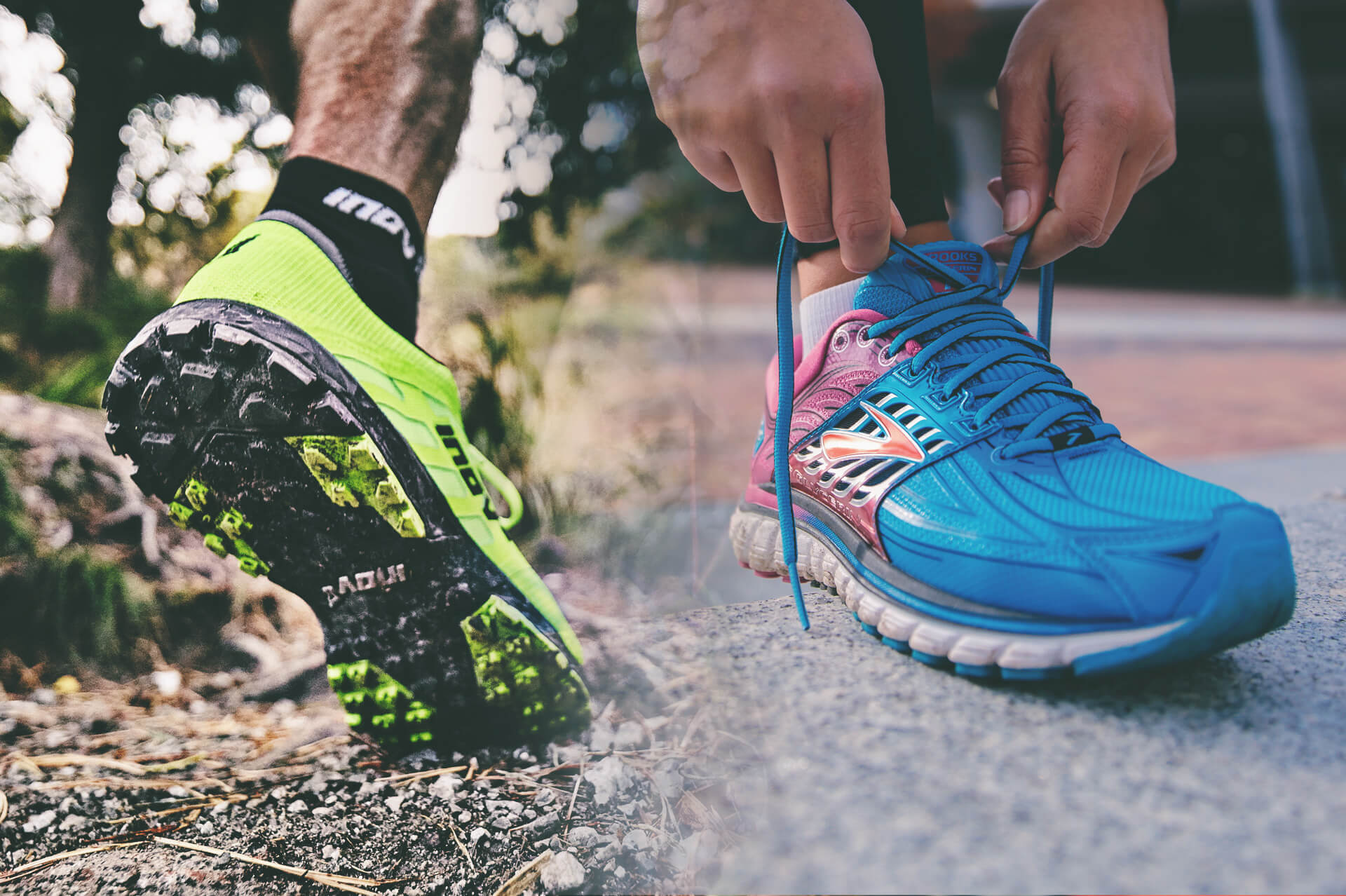
Comparing trail running shoes and road running shoes shows clear differences between the two types of shoes. Trail running shoes are suitable for running on difficult terrain, with high grip, foot protection and durability. Road running shoes, on the other hand, are optimized for running on flat surfaces, with relatively easy grip and foot protection. The most important thing is to choose the right shoe for each person's running style and purpose. This way, you can optimize performance and comfort in every step. You can also enjoy the full running experience.


Celi Diorが執筆
コメントを書く
このサイトはhCaptchaによって保護されており、hCaptchaプライバシーポリシーおよび利用規約が適用されます。