






How long should you wear clothes before washing them? What you need to know
Clothing and personal items are daily essentials; however, washing them frequently can be time-consuming and laborious. So, how do you determine the right frequency for washing your clothes to balance hygiene with time efficiency? This article offers useful tips to help you figure out exactly how often you should wash your garments. Join Celidior as we explore this topic.
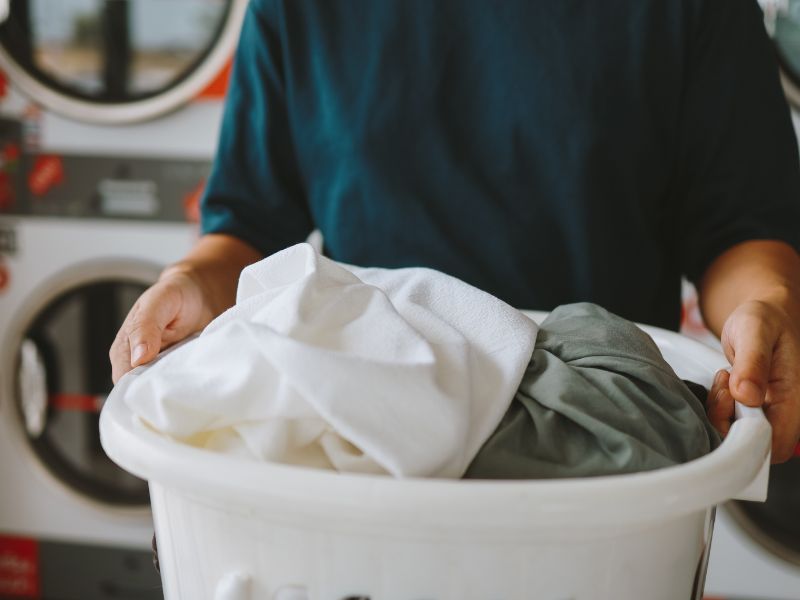
How long should you wear clothes before washing them
How often should you wash your clothes?
Have you ever wondered how often you should wash your clothes to ensure cleanliness while keeping them looking new and durable? Different types of garments require different washing frequencies to maintain hygiene and longevity—all while helping to protect the environment. Below, you will find useful information and tips on the appropriate washing intervals for various types of clothing and textile items.
Jeans
Jeans are a wardrobe staple for everyone. However, many people are unsure about the proper way to wash them to maintain their durability and color. Jeans can be worn two or three times before washing; they should be washed if they become stained, sweaty, or develop an odor. Turn the jeans inside out before washing to protect the color.
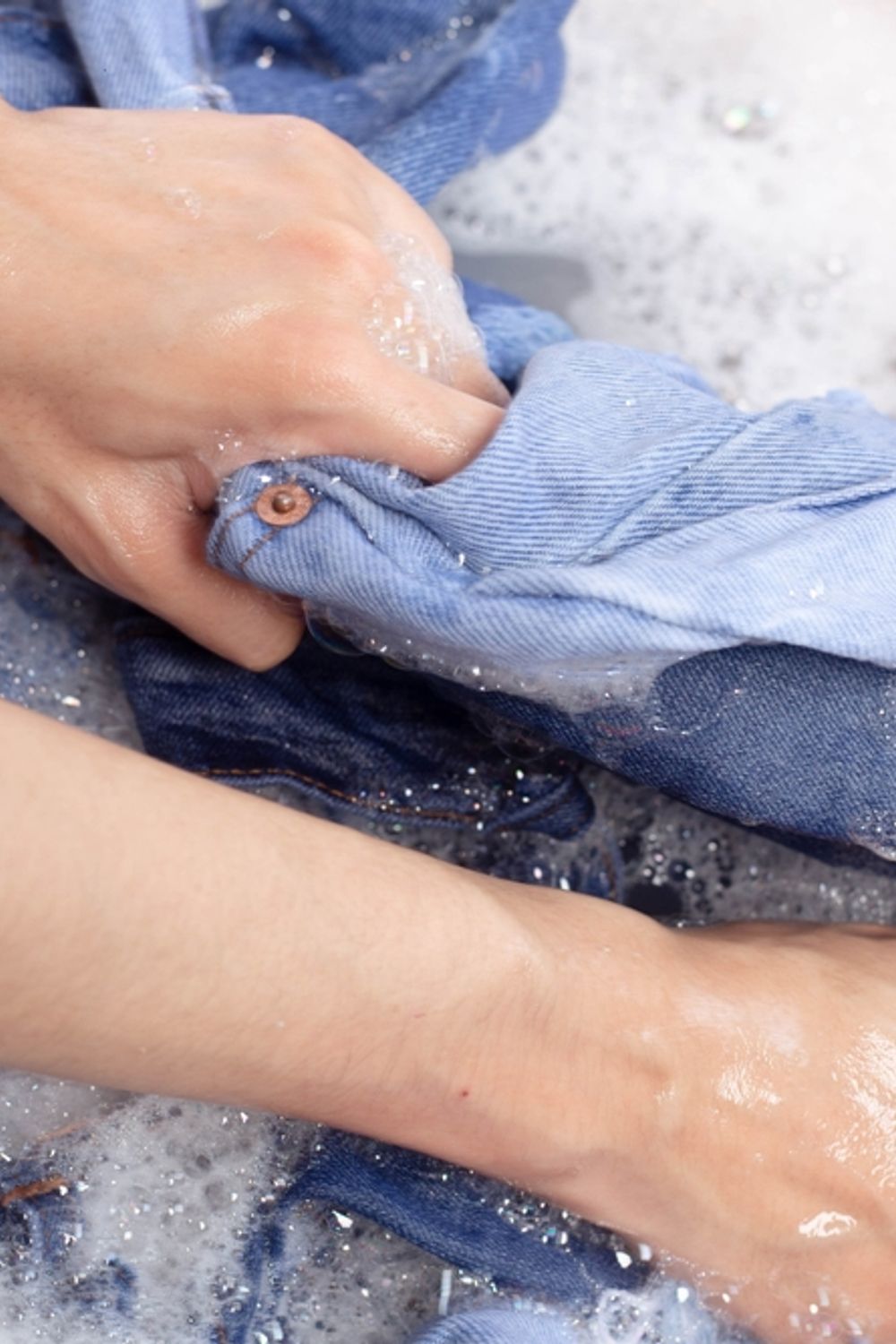
How long should you wear jeans before washing them?
However, how often you wash your jeans depends on several factors, such as the fabric type; thinner fabrics may require more frequent washing than thick, rigid denim. Additionally, if you wear your jeans while exercising, working outdoors, or sweating, they will need to be washed more often than if you simply wear them in an office setting with minimal physical activity.
Experts advise against washing jeans too frequently, as this can cause the color to fade and shorten the fabric's lifespan. Frequent washing is particularly detrimental to denim, as it can lead to a loss of shape, shrinkage, or stretching.
Underwear
Properly cleaning your underwear helps protect your intimate health from dirt, bacteria, and other harmful agents. Improper cleaning can increase the risk of gynecological issues and affect reproductive health. Underwear should be washed daily to remove dirt, bacteria, sweat, and secretions, thereby preventing conditions such as infections and fungal irritation. Regarding bras, you should avoid letting body sweat soak into the fabric and create an environment for bacterial growth; therefore, you should wash your bra after wearing it two or three times to maintain proper hygiene.

You should wash your underwear daily to prevent bacteria and dirt from causing issues or potentially leading to various illnesses.
When washing underwear, hand-wash it using antibacterial soap and avoid washing it together with other garments. Dry the items in direct sunlight or use a high-temperature dryer; avoid drying them in damp areas where bacteria can easily proliferate.
Sleepwear, jackets
You should wash your sleepwear after wearing it three or four times, as sweat, sebum, and dead skin cells accumulate on the fabric while you sleep. Furthermore, the humid environment created by bedding—sheets, blankets, and mattresses—fosters bacterial growth, which can lead to skin problems.

Sleepwear should be washed after being worn 3–4 times.
Regarding jackets, you should wash heavy ones every one to two months and lighter ones every two to three weeks. Since jackets generally have minimal direct contact with the skin, they do not get as dirty as sleepwear, underwear, or jeans; washing them too frequently can cause the color to fade and reduce their durability. However, if your jacket is frequently exposed to road dust, or if you work in an environment with pollution, dirt, or unpleasant odors, you should wash it immediately.
Socks
Socks are among the dirtiest items of clothing because they come into direct contact with the feet—an area that produces significant sweat, creating an ideal environment for bacterial growth. Therefore, you should wash your socks immediately after each use; leaving them unwashed or wearing them repeatedly can lead to skin issues, allergies, nail fungus, and even foot odor.
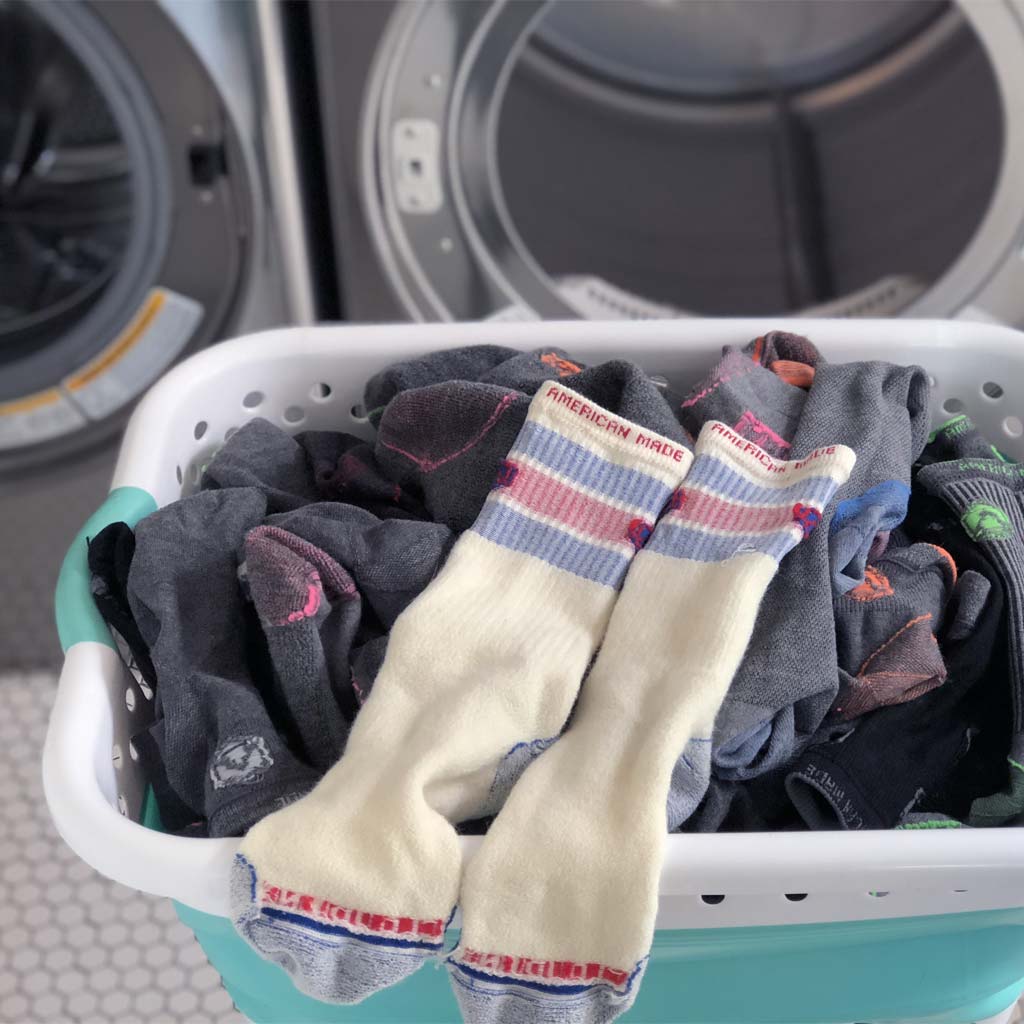
Socks harbor sweat, bacteria, and dirt, so they should be washed frequently.
When washing socks, you should use warm water (30–40°C) and a mild detergent, then dry them in the sun or in a dryer on a low-heat setting. Just like underwear, socks should not be washed together with other types of clothing.
How often should items be washed or cleaned?
In addition to your clothing, you should also make sure to regularly clean items such as your phone, bedding, and curtains to protect your health.
Phone
Mobile phones are among the items that harbor the most bacteria. According to numerous published studies, they are even dirtier than toilet seats! Frequent use causes the device to accumulate dust, sweat, fingerprints, and bacteria. Therefore, you should clean your phone regularly to protect your skin and your health.
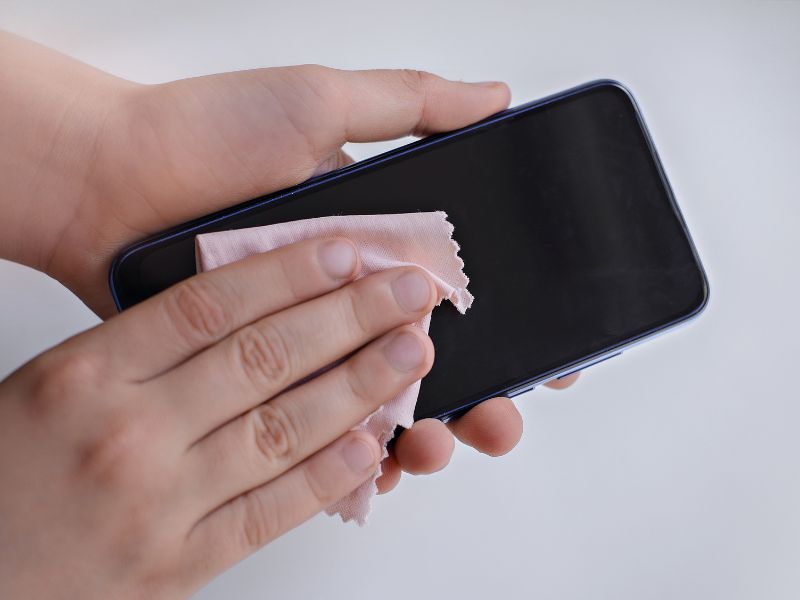
Many studies show that phone screens are dirtier than toilets
You should wipe your phone screen at least twice a day using a soft cloth and a specialized screen cleaning solution. As for the phone case, it should be cleaned once or twice a week with a damp cloth or a mild cleaning agent. Additionally, remember to clean the charging and headphone ports once a month using a cotton swab or a specialized tool. Keeping your phone clean is not only key to protecting your health but also helps extend the device's lifespan.
Bed sheets, pillows
Sleep plays a vital role in a person's physical and mental well-being. However, bedding—including sheets, pillowcases, and the pillows themselves—can harbor countless bacteria, dust, and dead skin cells. This accumulation can compromise sleep quality and lead to skin issues, allergies, and even respiratory problems. Therefore, you should clean and wash your bedding regularly, as follows:
- Bed sheets: Wash every 1–2 weeks.
- Pillowcases: Wash once a week.
- Pillow inserts: Wash every 3–4 months.
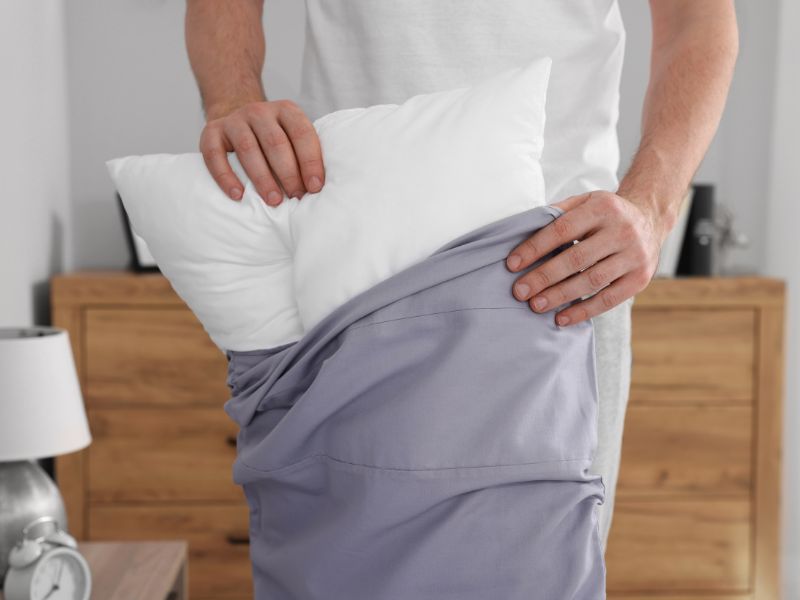
Regularly cleaning bed sheets and pillowcases helps protect your health, skin, and sleep quality.
Regularly washing bed sheets and pillowcases is a simple habit that protects your health and skin while ensuring quality sleep.
Bath towels, hand towels
Bath towels and hand towels can harbor countless bacteria, dirt, and dead skin cells. Using dirty towels can negatively affect your health, leading to skin issues, allergies, and even respiratory problems. Therefore, you should wash your towels regularly to protect your skin. Ideally, bath towels should be washed after every two or three uses, while hand towels should be washed after every single use.
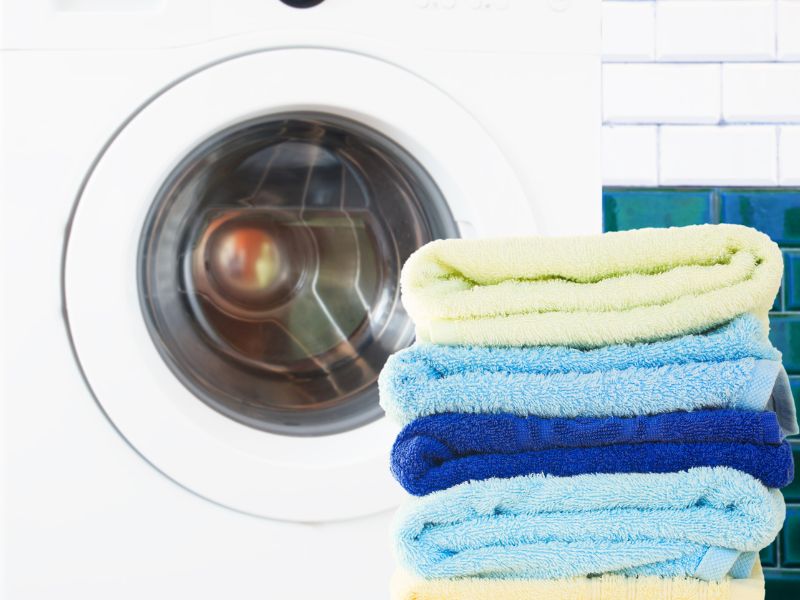
Don't neglect cleaning your bath towels and hand towels.
Hand bag
Handbags are indispensable accessories for school, work, outings, events, or parties. Since daily use makes them prone to accumulating dirt, bacteria, and mold, regular cleaning is essential to prevent mildew, unpleasant odors, and premature wear.
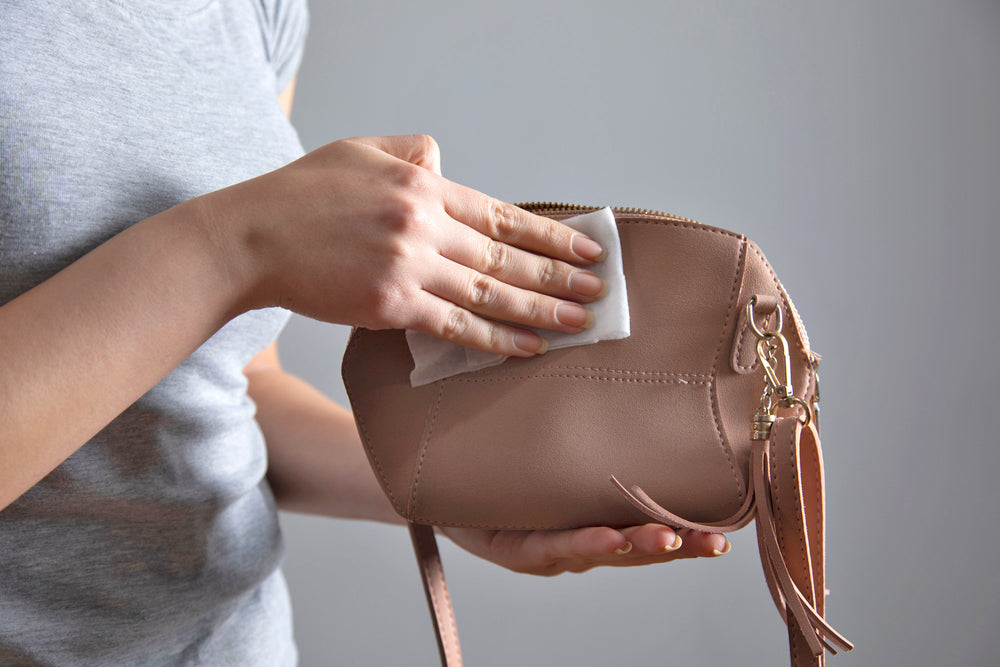
Handbags are made from various materials, so different cleaning methods are required to maintain their new appearance and durability.
When cleaning your handbag, consider factors such as material, color, frequency of use, and the environment in which it is used. Cleaning schedules vary by material:
- Leather handbags: Clean 1–2 times per month.
- Fabric handbags: Wash 1–2 times per week.
- Plastic handbags: Wipe down 1–2 times per week.
Curtain
Cleaning curtains regularly brings many benefits such as keeping the living space clean and airy, protecting the health of the whole family, increasing the lifespan of the curtains and making the house more aesthetic. However, curtains are also places where dust, mold and allergens can easily accumulate. For each type of curtain, there will be different cleaning and cleaning times, specifically:
- Fabric curtains: every 3 - 6 months
- Chiffon and silk curtains: every 1 - 2 months
- Roller blinds, bamboo blinds: every 6 months
- Shower curtain: every 1 - 3 months
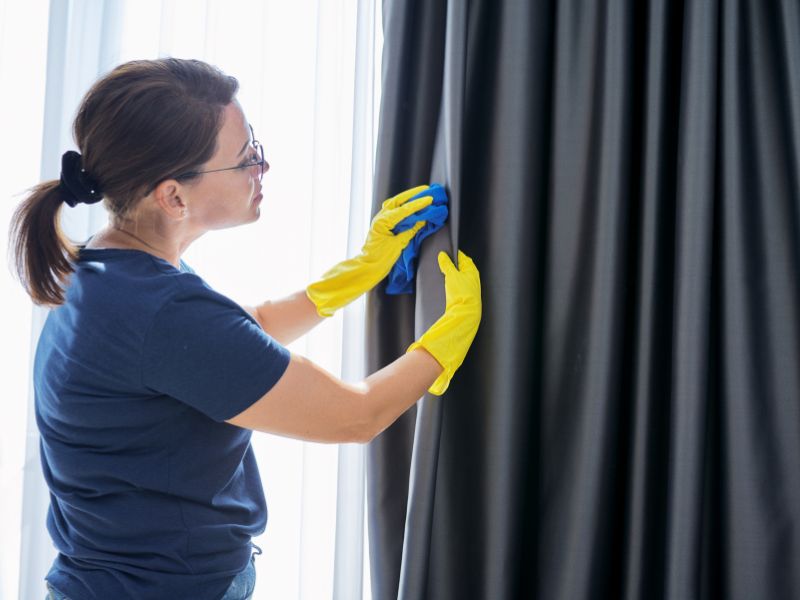
Cleaning curtains enhances the home's aesthetic appeal while protecting the entire family's health.
In addition to regular washing, you should vacuum your curtains weekly to remove surface dust and wash them immediately if they become stained or discolored.
Regularly washing clothes and household items is essential for maintaining hygiene and the health of you and your family. However, avoid washing them too frequently, as this can compromise their quality. Hopefully, the tips shared in this article regarding how often to wash your clothes will help you save time and effort. Remember, keeping your clothes and belongings clean not only boosts your confidence but also helps protect your health and the well-being of those around you. And don't forget to follow Celidior blog for more updates on the latest in fashion!


Celi Diorが執筆
コメントを書く
このサイトはhCaptchaによって保護されており、hCaptchaプライバシーポリシーおよび利用規約が適用されます。