

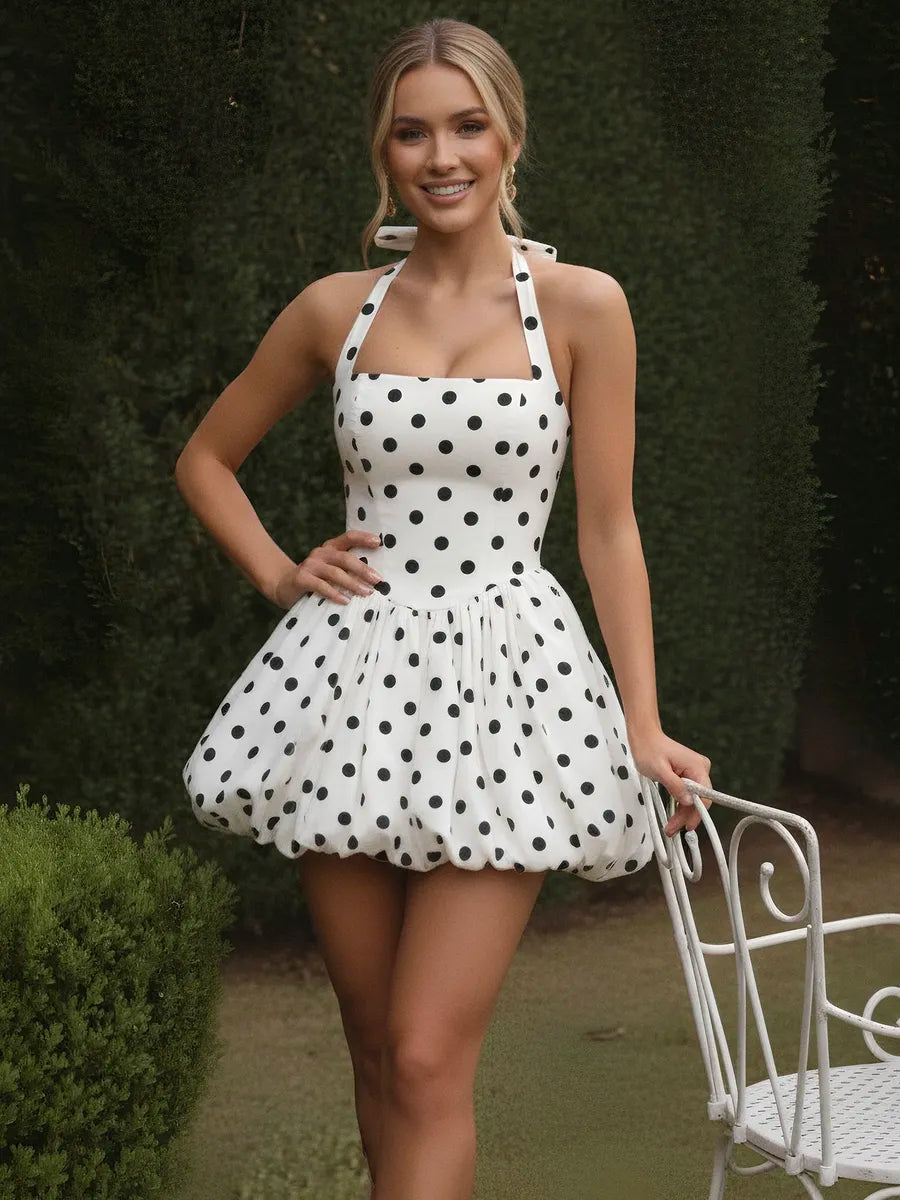
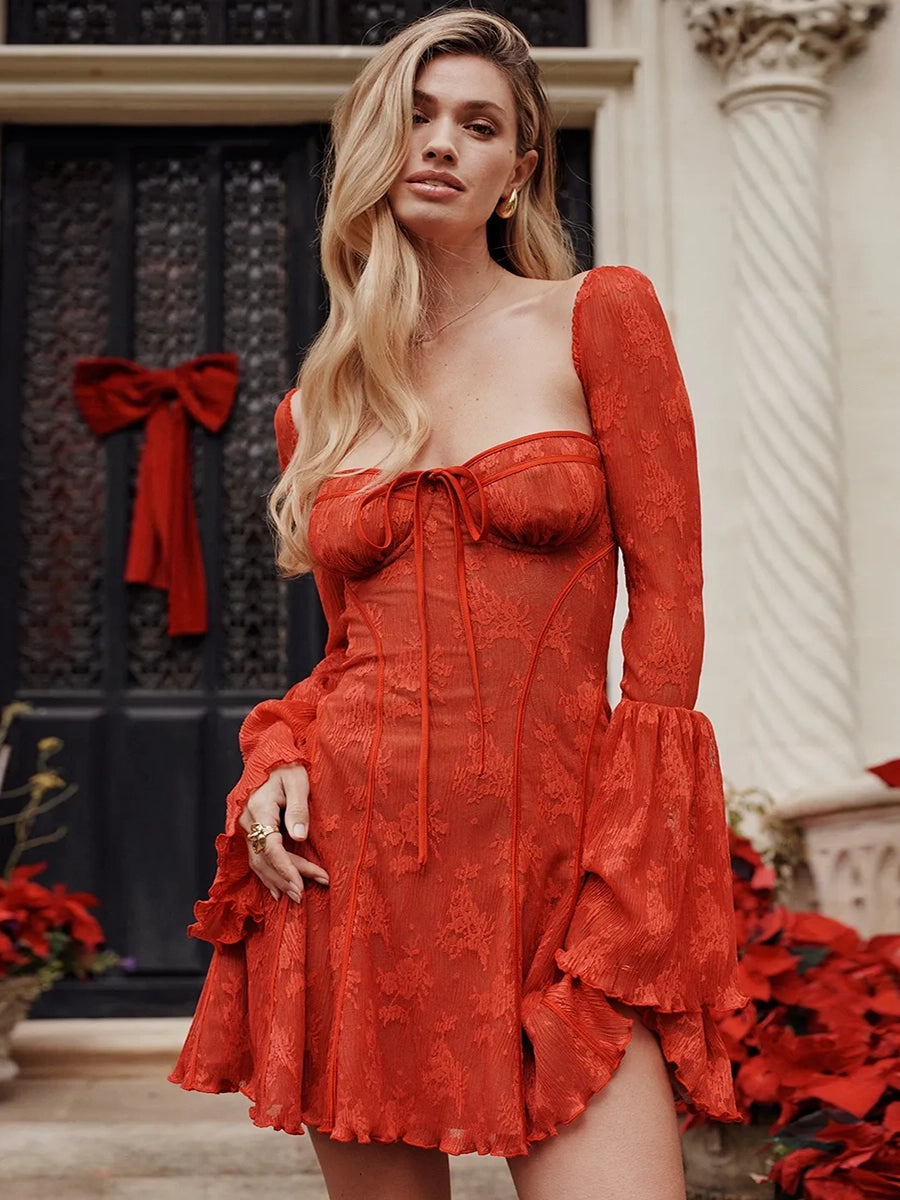
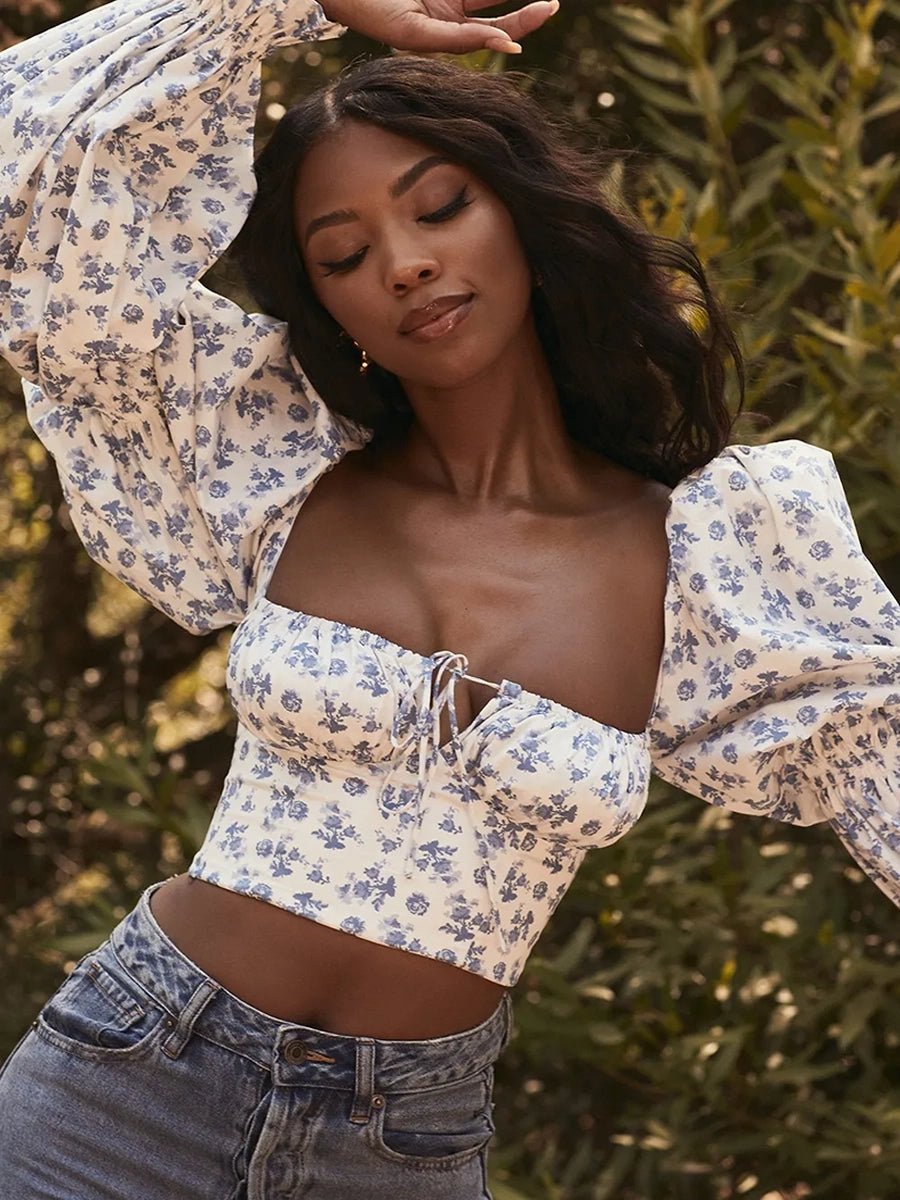
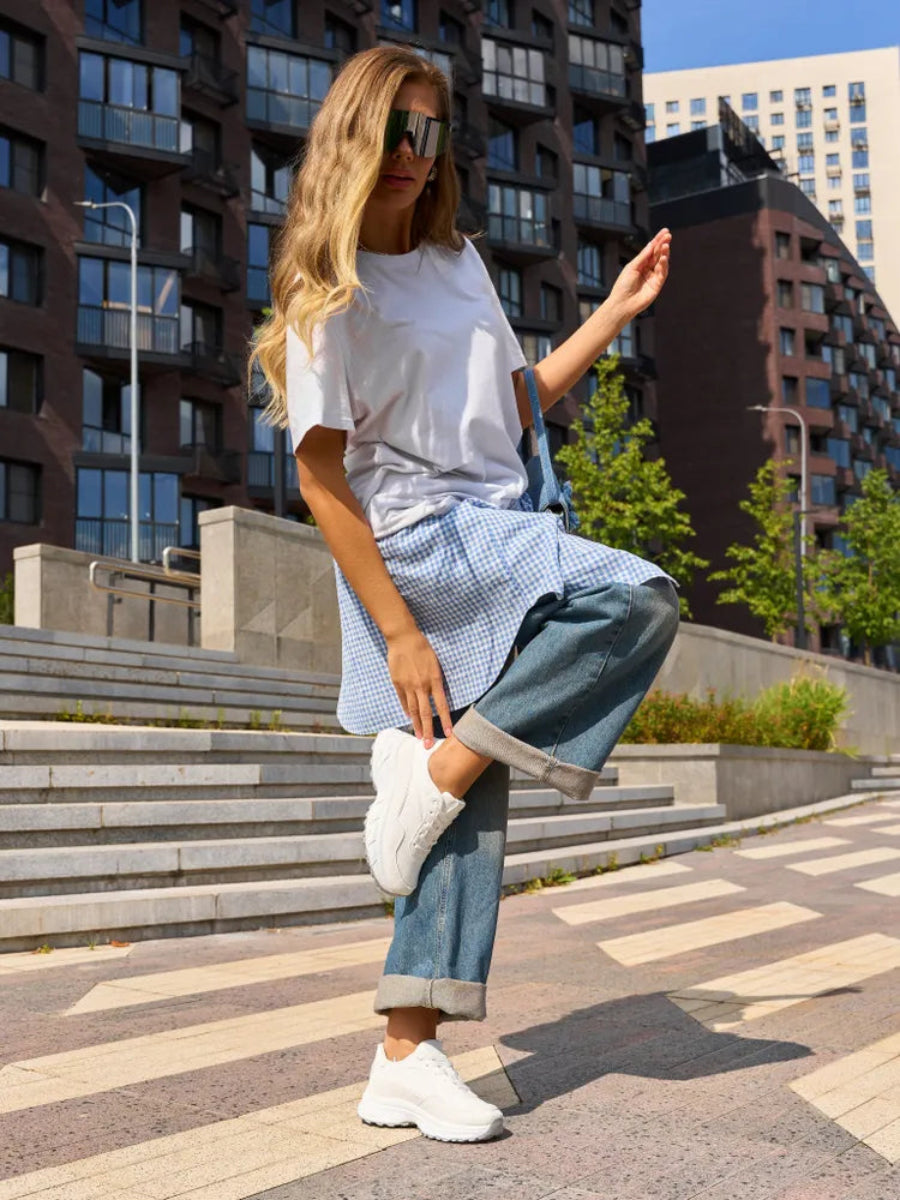
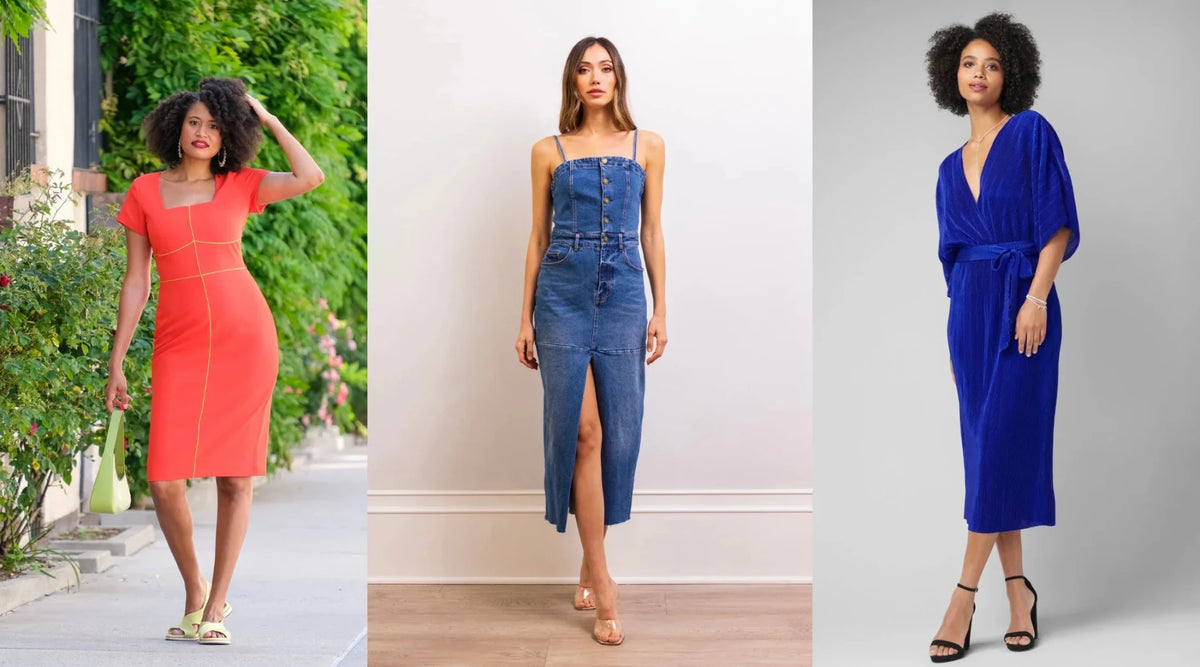
What is a midi dress? How to choose a flattering and easy-to-wear midi dress
A midi skirt typically falls anywhere from just below the knee to mid-calf. This length offers a more modest look than a mini skirt while remaining more streamlined and versatile than a maxi skirt. Because it sits at this "middle ground," the midi skirt can adapt to styles ranging from soft and classic to modern and edgy, depending on the fabric, silhouette, and how you style the rest of your outfit. Join Celidior as we explore the details of midi skirts in the article below!
- 1. What is a midi dress?
-
2. Why have midi dress remained so popular for so long?
- 2.1 Easier to wear than many think, thanks to the balance between femininity and practicality.
- 2.2 Easily transitions between various settings—from work and casual outings to casual parties.
- 2.3 You can completely transform the vibe of an outfit simply through the choice of fabric, dress silhouette, and shoes.
- 3. How to spot a beautiful and easy-to-wear midi dress
-
4. Which body types suit midi skirts?
- 4.1 Petite women can still look stylish if they choose the right skirt length and waistline.
- 4.2 Those with fuller hips or thighs often look good in A-line midi skirts or skirts with a soft drape.
- 4.3 Tall individuals or those with an upright posture can easily experiment with various versions, ranging from pleated styles to satin.
- 5. How to wear a midi skirt without looking overwhelmed by the fabric?
- 6. The most popular midi dress styles right now
- 7. When should you choose a midi skirt instead of a mini or maxi skirt?
- 8. FAQ
- 9. Conclude
What is a midi dress?
"Midi" refers to a category of skirts and dresses with a medium length—typically falling below the knee but above the ankle. In women's fashion, the term applies to both midi dresses and midi skirts. While everyday usage in Vietnam often leans toward the midi skirt, the defining characteristic remains the length and the silhouette it creates on the body.
The appeal of the midi style goes beyond mere modesty; its length establishes a unique visual rhythm—soft enough to retain femininity, yet streamlined enough to avoid looking heavy or bulky. If mini skirts evoke a youthful, energetic vibe and maxi skirts lean toward fluidity or a free-spirited aesthetic, the midi skirt occupies the middle ground, offering an elegance that is far more versatile.


It is worth noting that midi skirts are not always "demure." A satin midi skirt paired with strappy sandals exudes sophistication, whereas a denim or gently fitted midi skirt worn with boots conveys a more distinct, modern vibe. Therefore, one’s understanding of the midi skirt should go beyond its length; it should be viewed as a highly versatile category of styles.
Why have midi dress remained so popular for so long?
Easier to wear than many think, thanks to the balance between femininity and practicality.
Not every type of dress is suitable for both work and leisure while still maintaining a polished look. The midi dress manages this thanks to proportions that are "safe" yet far from dull; it is neither too short to require constant adjustment nor too long to be cumbersome during daily activities.
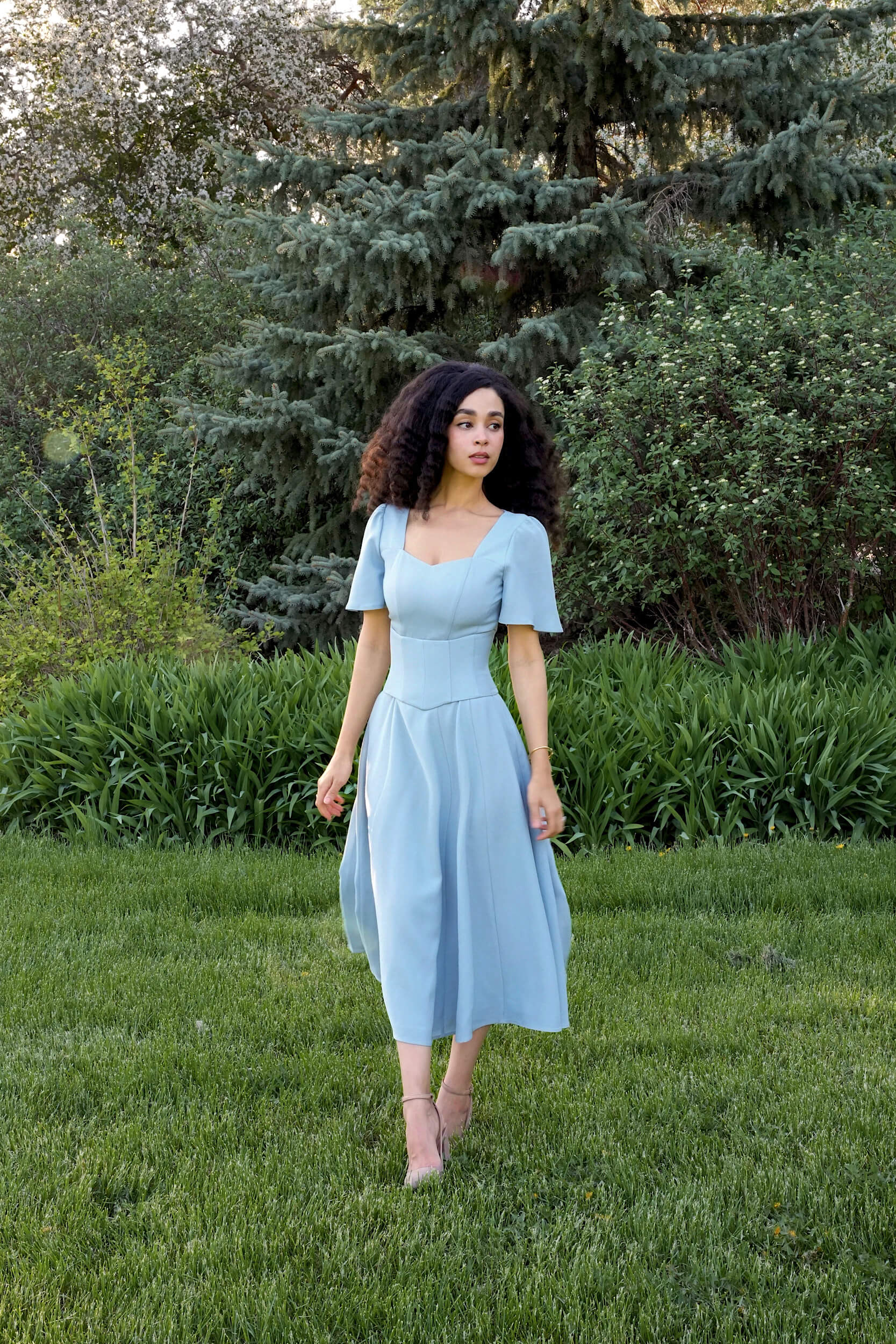
It is precisely this balance that makes the midi skirt a staple people return to after experimenting with a wide range of other trends. When you need an outfit that looks feminine without being overly soft, and polished without looking matronly, the midi skirt is often the perfect solution.
Easily transitions between various settings—from work and casual outings to casual parties.
A beautiful midi dress is rarely limited to just one setting. Paired with a shirt or blazer, it is polished enough for the workplace; combined with a camisole, a lightweight cardigan, or sandals, it takes on a more relaxed vibe—perfect for a date, coffee, or a casual dinner.

That is why midi skirts are often considered a more worthwhile investment than many seasonal skirt styles. You don't need to overhaul your entire wardrobe to make good use of one; simply changing up your styling choices allows you to create a noticeably different look.
You can completely transform the vibe of an outfit simply through the choice of fabric, dress silhouette, and shoes.
While the midi length remains constant, materials like satin, cotton, linen, denim, or pleated fabrics create vastly different vibes. Soft, fluid fabrics tend to evoke an air of elegance, whereas structured materials offer a more defined, decisive look. Footwear choices also play a pivotal role: mules, slingbacks, sneakers, or boots can each shift the dress into a completely different style.
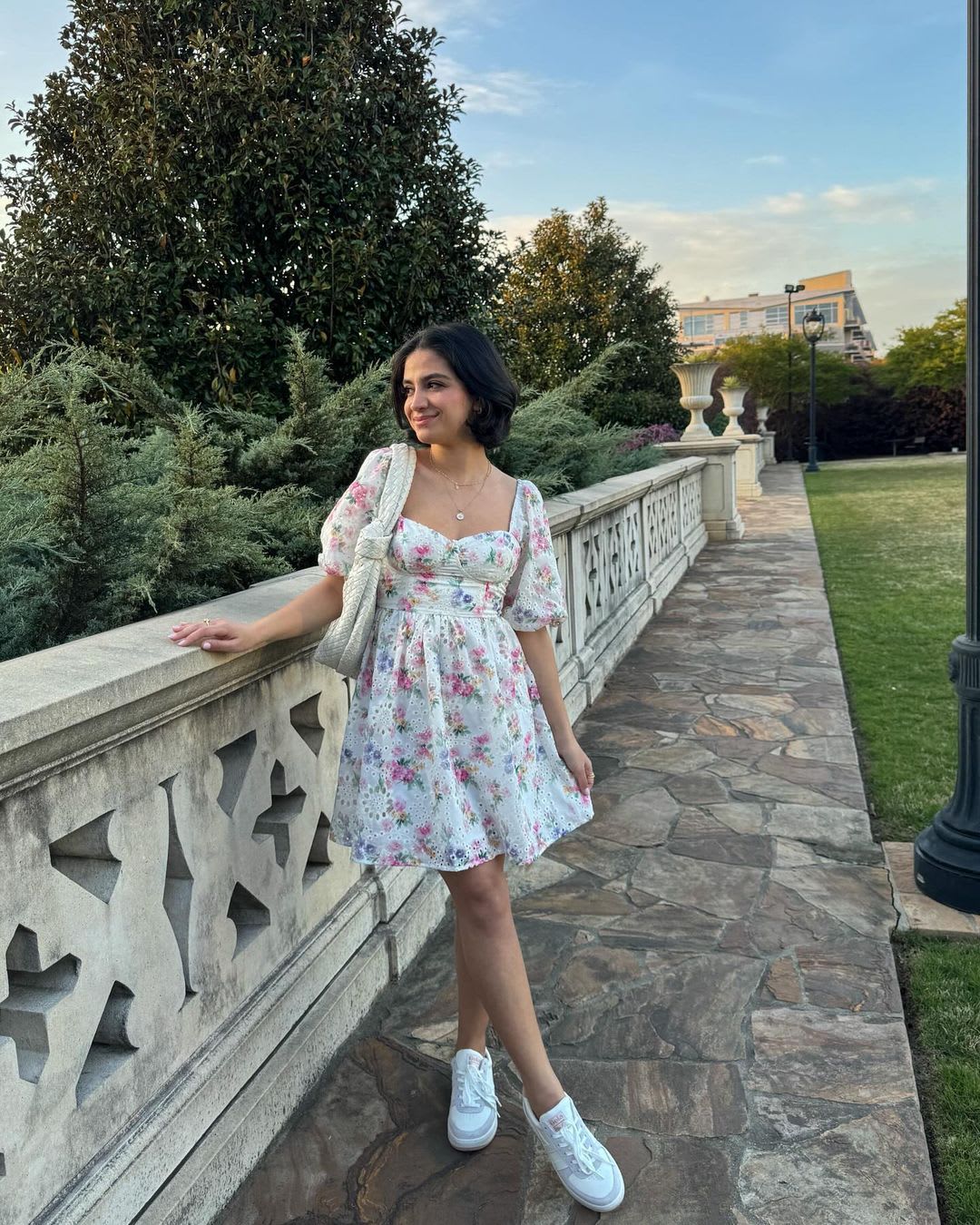
In other words, midi skirts are not confined to a single styling formula. This is why they do not go out of style as easily as many people might think.
How to spot a beautiful and easy-to-wear midi dress
What is a reasonable length?
The ideal length for a midi skirt is one that allows the legs to "breathe," rather than cutting them off abruptly. For many, the sweet spot is just below the knee or near the narrowest part of the calf; if the hem falls at the widest part of the calf, the overall look can easily appear heavy and make the wearer seem shorter than they actually are.

This explains why the same dress can look elegant on one person yet make another look older. The issue isn't necessarily one's body shape, but rather whether the dress's hemline complements one's body proportions.
How do the waistline and the drape of the dress affect body proportions?
With midi skirts, the waistline serves as arguably the most crucial visual anchor. A high or well-defined waist creates the illusion of longer legs and lends a streamlined look to the outfit, despite the skirt's substantial length. Conversely, if the waist is undefined—with the fabric draping loosely from top to bottom—and the material is heavy, you risk looking completely swallowed up by the skirt.
:upscale()/2022/08/04/788/n/1922564/21ebd74b59b98b0f_GettyImages-1331485759.jpg)
The drape of the fabric is equally important. A beautiful midi skirt typically falls naturally, offering movement without being overly voluminous. If the fabric is too stiff, the outfit loses its softness; conversely, if it is too thin and clings uncontrollably, the overall look may reveal unwanted flaws.
Which materials create an airy, graceful feel, and which ones tend to weigh down an outfit?
Fabrics such as satin, silk, chiffon, lightweight cotton, or soft linen often create a more graceful impression because they flow with movement as you walk. In contrast, heavy denim, stiff khaki, or voluminous, bulky fabrics require careful styling to avoid making the lower body look heavy.
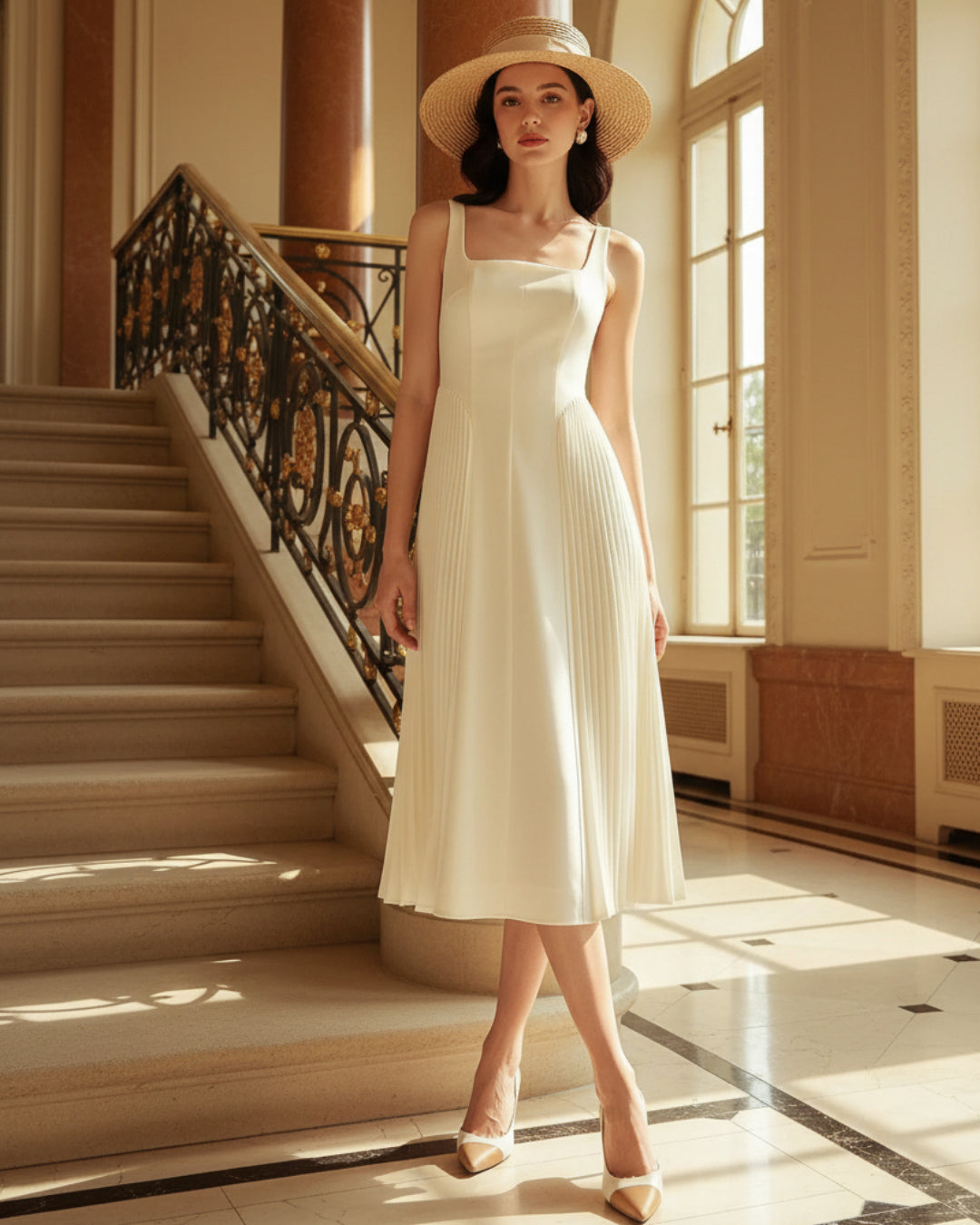
No material is inherently “bad,” but each requires a different approach to styling. Since midi skirts already have a striking length, pairing them with a heavy fabric makes it all the more important to keep your upper body streamlined and your footwear sleek to maintain balance.
Which body types suit midi skirts?
Petite women can still look stylish if they choose the right skirt length and waistline.
This is the group most likely to shy away from midi skirts, fearing they will overwhelm their frame. In reality, petite women can look stunning in them by prioritizing high-waisted styles, keeping the length moderate, and ensuring a streamlined fit up top. A midi skirt that falls just below the knee—paired with a fitted top or a tucked-in shirt—is far more flattering than a mid-calf style that lacks waist definition.
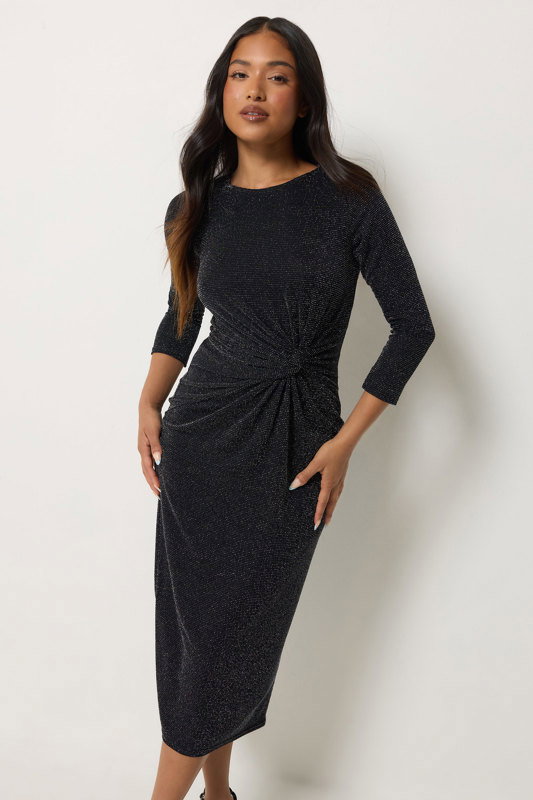
For a safer bet, opt for shoes that expose the instep or feature a pointed toe to elongate the look of your legs. Just a few small details like these can significantly transform your overall look.
Those with fuller hips or thighs often look good in A-line midi skirts or skirts with a soft drape.
A-line midi skirts are a great choice for this group, as they do not cling tightly to the hips and thighs while still defining the waist. Soft, draping fabrics also create a lighter overall look, avoiding the impression of a heavy, "blocky" lower body.

If you prefer pleated or floral skirts, you can certainly still wear them, but pay attention to the scale of the pattern and the skirt's fullness. A skirt with moderate flare generally looks more elegant than one that is overly voluminous.
Tall individuals or those with an upright posture can easily experiment with various versions, ranging from pleated styles to satin.
Those with a height advantage or a straight silhouette often find it easier to wear midi skirts, as their proportions naturally balance out the length. You can experiment with various styles—from pleated and satin skirts to gently fitted cuts or bolder prints—while still maintaining a balanced overall look.
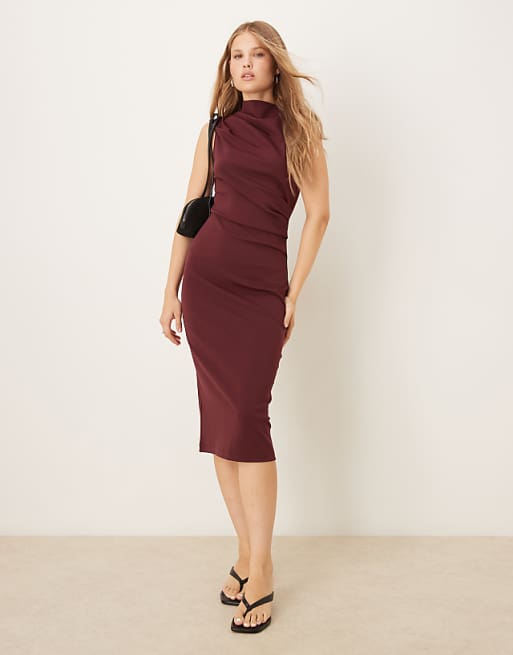
However, being easy to wear doesn't mean everything looks good. For a straight silhouette, details such as a defined waist, a moderately open neckline, or soft cuts add depth to the outfit, preventing it from looking flat and lacking visual interest.
How to wear a midi skirt without looking overwhelmed by the fabric?
Prioritize a streamlined upper body with accents at the waist or collar.
The biggest fear when wearing a midi skirt is looking older than intended. The solution usually isn't to ditch the skirt, but rather to streamline your upper body. Fitted tops, square necklines, tucked-in shirts, or cropped blazers all help give the outfit more structure.

With a long dress, the upper section needs a distinct focal point to prevent the eye from simply sliding from the shoulders down to the feet without anywhere to rest. The waist, neckline, and shoulders are three areas well worth highlighting.
Choose shoes based on the length of your skirt rather than out of habit.
Many midi skirt outfits end up looking matronly simply because the shoes don't complement the skirt's length. If the hem falls near mid-calf, chunky shoes or styles that cut sharply across the ankle can make the legs appear shorter. Conversely, strappy sandals, slingbacks, pointed-toe shoes, or sleek sneakers tend to maintain a more balanced, flattering look.

This is a case where you should look at the overall picture rather than focusing on individual items. A beautiful pair of shoes might not necessarily go well with the dress you are wearing. With midi styles, getting the proportions right is more important than whether the piece is currently trending.
Avoid layering too many heavy pieces if the dress itself already has a fluid drape or voluminous shape.
If your skirt already features pleats, a glossy finish, a fluid drape, or a voluminous cut, keep the rest of your outfit understated. Excessive layering, too many textures, or a heavy coat can rob the midi skirt of the graceful silhouette that makes it so appealing.

Midi styles look best when the outfit has some breathing room. This means every piece serves a purpose within the overall look, rather than being crammed in just to make the ensemble feel "complete."
The most popular midi dress styles right now
A-line midi dress
This is the most universally flattering style, as the skirt flares gently from the waist, maintaining a feminine look without being too demanding on one's figure. An A-line midi skirt is perfect for work, coffee dates, or casual dinners, and pairs easily with button-down shirts, lightweight knitwear, or blazers.

Pleated midi dress
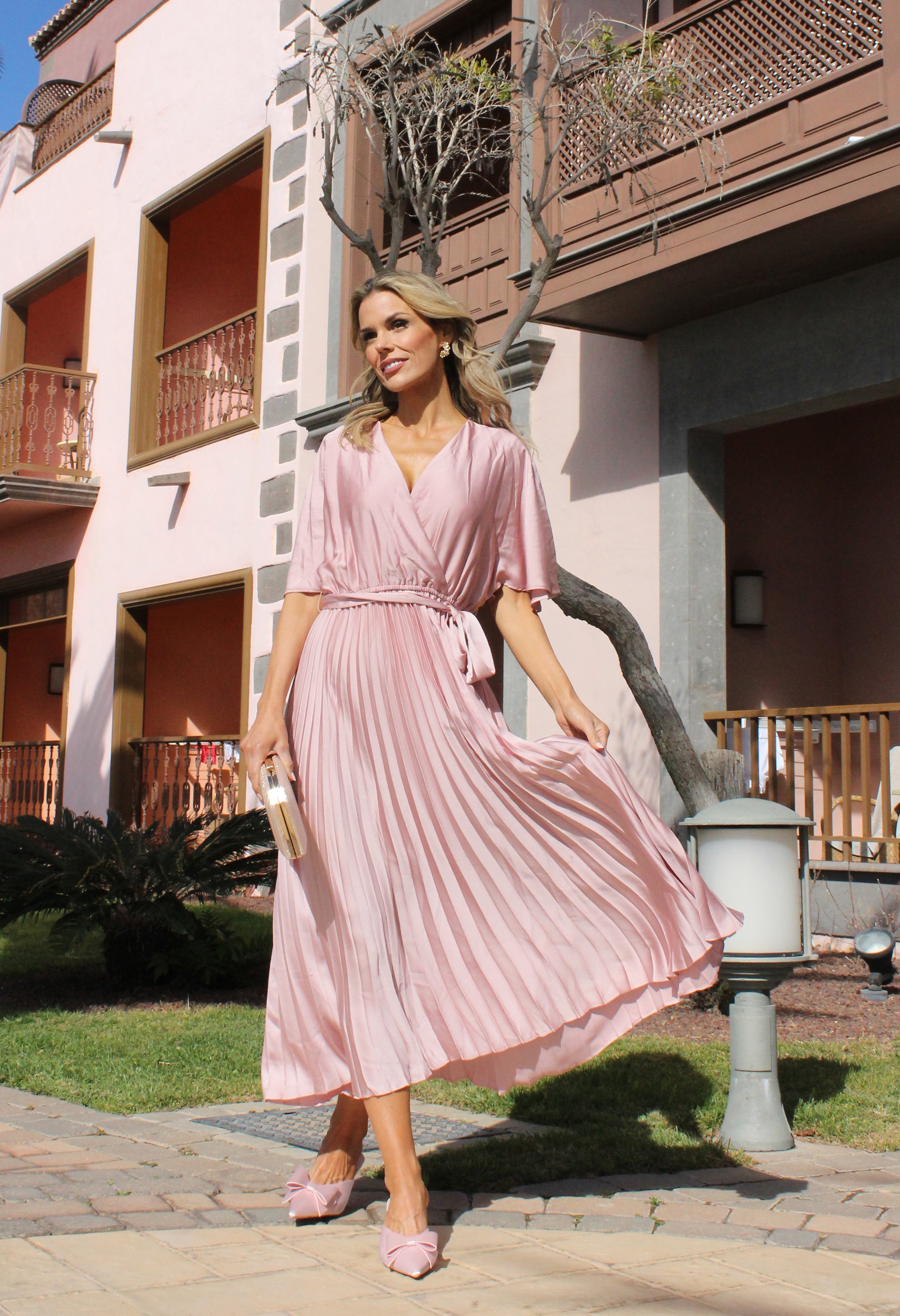
A pleated midi skirt creates lovely movement as you walk and offers a soft, refined feel. It is perfect for those who appreciate a feminine look without being overly frilly. Pair this style with a streamlined top to avoid an overly busy overall look.
Satin or silk midi dress
This version tends to look sophisticated and slightly more "dressy." Simply by changing your shoes and top, a satin midi skirt can transition seamlessly from day to evening. It is worth noting that the fabric is quite revealing, so the cut and lining require careful selection.

Slightly fitted midi dress
It doesn't cling as tightly as a bodycon dress yet still follows the body's natural curves; this gently fitted midi style suits those who prefer a look that is sleek, sharp, and slightly more mature. It pairs beautifully with sandals, mules, or a tailored blazer.

Floral or small-print midi dress
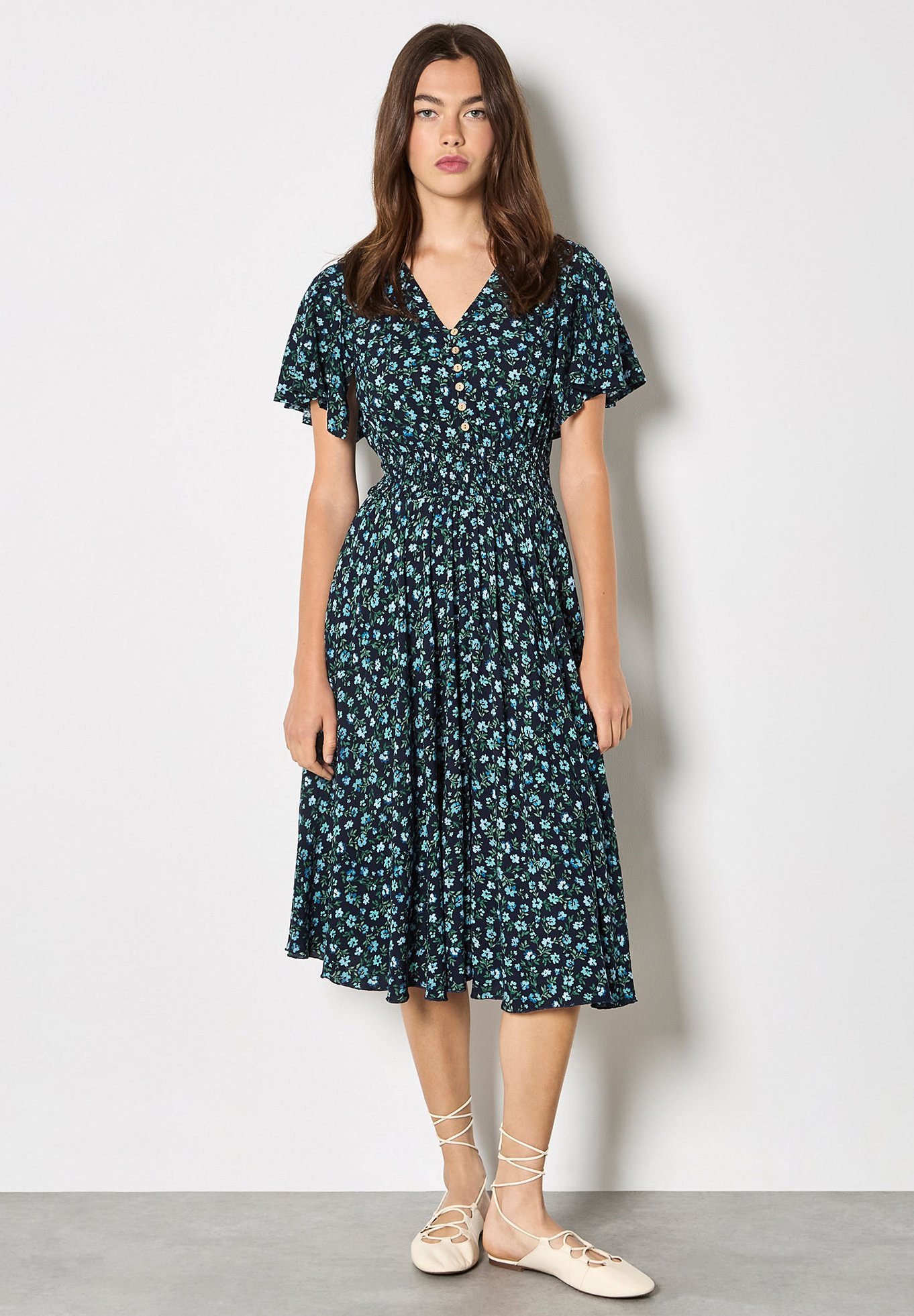
If you want your outfit to feel fresher, this is a choice worth trying. Small patterns are generally easier to wear and less likely to make the overall look appear cluttered compared to large ones. The key is to keep the rest of the outfit understated so that the dress remains the focal point.
When should you choose a midi skirt instead of a mini or maxi skirt?
Opt for a midi skirt when you want a piece that is feminine yet versatile enough for various settings. Compared to mini skirts, midi skirts offer more coverage and an air of elegance; compared to maxi skirts, they are neater, less cumbersome, and generally better suited to the pace of daily life.
If you need a skirt that transitions seamlessly from the workday to an evening date—or simply want to look stylish without overthinking your outfit—the midi skirt strikes a perfect balance. It is not a "safe" choice in the sense of being bland; rather, with the right cut and fabric, it represents a stylish, reliable option.
FAQ
What length defines a midi skirt?
Typically, a midi skirt falls somewhere between just below the knee and mid-calf. Depending on the wearer's height and the specific design, the hemline may vary slightly but remains within this range.
Can shorter individuals wear midi skirts?
Yes. Shorter individuals can look great in midi skirts by choosing high-waisted styles that don't extend too far down the calf and pairing them with a fitted top. Shoes that expose the instep or feature a pointed toe also help create a more streamlined, elongated silhouette.
How do midi skirts differ from maxi skirts?
The main difference is length. A midi skirt ends between the knee and mid-calf, whereas a maxi skirt usually reaches the ankles or the floor. Consequently, midi skirts tend to be more practical and versatile for everyday wear.
Are midi skirts better suited for work or leisure?
They are suitable for both. For work, you might opt for an A-line or straight-cut style, or a simple satin midi. For casual outings, simply switching to a lighter fabric or softer print—and pairing the skirt with sandals and a casual top—creates a completely different look.
What shoes should you wear with a midi skirt to avoid looking shorter?
The most flattering choices include strappy sandals, slingbacks, pointed-toe shoes, mules, or sleek, low-profile sneakers. It is best to avoid chunky footwear or styles that cut across the ankle—such as high-top sneakers or heavy ankle boots—especially when the skirt is already quite long.
Conclude
Midi dresses are not as difficult to wear as many people think. Once you understand the nuances of length, silhouette, and maintaining body proportions, you will realize they are one of the best wardrobe investments: elegant, versatile, and not overly reliant on fleeting trends.
If you are looking for a dress that transitions seamlessly between various settings while maintaining a polished look, the midi dress is always a great choice. From there, it is simply a matter of selecting the right fabric, silhouette, and style to match the vibe you wish to project.
You can explore the dress designs currently available at Celidior to find a midi style that perfectly complements your wardrobe and lifestyle.


Written by Celi Dior
Leave a comment
This site is protected by hCaptcha and the hCaptcha Privacy Policy and Terms of Service apply.