





Comparing Polyester and Cotton Fabrics: Key Differences and Which Is Better?
Do you often wonder about the fabric when shopping for clothes? Comparing polyester and cotton is not difficult once you understand the characteristics of each. In this article, Celidior will help you clearly distinguish between these two popular materials so you can choose the product that best suits your needs.
A Detailed Comparison of Polyester and Cotton Fabrics
To better understand these two types of fabric, we need to examine every aspect closely, from their manufacturing processes to their physical properties. This will help you make a more informed decision when purchasing clothing.
Regarding the production process
Cotton fabric is produced from natural fibers extracted from cotton seeds. The process begins with harvesting the cotton bolls, followed by cleaning, spinning the fibers into yarn, and weaving them into fabric. This entire process utilizes natural materials and is free from synthetic chemicals.
In contrast, polyester fabric is created from synthetic fibers through a complex chemical process. Chemical substances are blended, melted, and extruded through tiny holes to form polyester filaments; these are subsequently spun and woven into fabric.

The production of polyester and cotton fabrics is carried out according to standard procedures.
Regarding ingredients
When comparing polyester and cotton fabrics, fiber composition is the primary factor that clearly distinguishes the two materials. The difference between their natural and synthetic origins is precisely what gives each fabric its unique characteristics regarding softness, durability, and range of applications.
| Criteria | Polyester | Cotton |
| Source | Synthetic fibers derived from chemicals | Natural fiber from the cotton boll |
| Key ingredients | Polyethylene terephthalate (PET) | Cellulose |
| Nature | Synthetic chemistry | Completely natural |
| Purity | Consistent and stable | Depends on the quality of the raw materials. |
Regarding characteristics
Once their compositions are understood, comparing the characteristics of polyester and cotton reveals why each is suited to different needs. Factors such as breathability, durability, and absorbency directly influence how the fabric feels to wear and the garment's overall practicality.
| Criteria | Polyester | Cotton |
| Softness | Smooth and sleek, but slightly stiff. | Softer and more comfortable |
| Absorbency | Low absorbency, quick-drying | Good absorbency, slower to dry. |
| Durability | Very durable, long-lasting. | Durable, but more prone to wear than polyester. |
| Shrinkage | Low shrinkage | Prone to shrinking when washed in hot water. |
| The feeling when wearing it | Cold, poorly ventilated | Warm and highly breathable. |
How are polyester and cotton fabrics used?
Both polyester and cotton fabrics possess distinct characteristics, allowing them to be used flexibly across various applications. Cotton, known for its excellent sweat-absorbency, is commonly used for everyday apparel—such as T-shirts, dress shirts, underwear, and children's clothing—as well as for bed linens.
In contrast, polyester stands out for its durability, wrinkle resistance, and ability to retain its shape; it is frequently used to manufacture sportswear, jackets, backpacks, and curtains, or for products that require high durability and easy maintenance.

Polyester and cotton fabrics are widely used in products such as clothing and bed sheets.
Which is better: polyester or cotton fabric?
There is no single answer to this question, as cotton and polyester fabrics each have their own distinct advantages. Below is a comparison table based on five key criteria to help you decide:
| Criteria | Polyester | Cotton | Conclude |
| Ingredient | Artificial, chemical | Natural and safe | Cotton is better for sensitive skin. |
| Absorbency and breathability | Poor absorbency, traps sweat | Excellent absorbency, breathable | Cotton is better for hot climates. |
| Fabric durability | Very durable and resistant to fading. | Moderately durable, prone to fading. | Polyester is better for durability. |
| Skin irritation potential | May cause irritation. | Low irritation potential | Cotton is safer. |
| Cost | Cheaper | More expensive | Cost-effective polyester |
How to quickly distinguish between polyester and cotton fabrics
Distinguishing between these two types of fabric is not too difficult if you know a few simple tricks. Here are some effective ways to quickly identify the fabric type.
The feel to the touch
This is the easiest way to distinguish between the two fabrics. Polyester feels smooth, sleek, and cool to the touch. Because polyester fibers are man-made, they are highly uniform, resulting in a very smooth surface.
Cotton, on the other hand, feels soft, warm, and absorbent. When you touch cotton, you can sense its natural texture—it does not feel cold like polyester. Cotton also tends to draw moisture away from the skin, so it may feel slightly more prone to sticking.
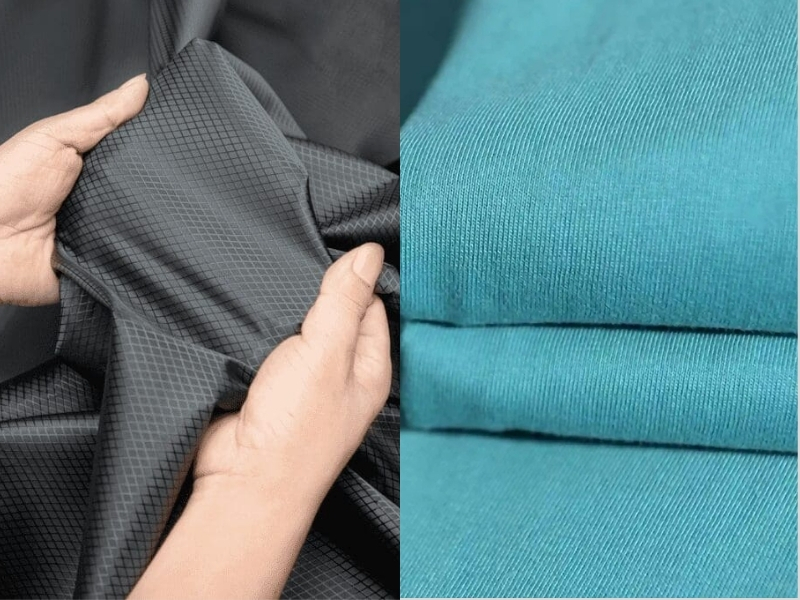
Polyester feels smooth, whereas cotton feels soft.
Trial by fire
This is a classic fabric testing method widely used in the textile industry. However, to avoid damage, you should perform this test on a small swatch rather than the entire piece of fabric.
When burned, cotton smells like burning paper or dry leaves; the resulting ash is soft, does not clump, and crumbles easily between the fingers. Polyester, on the other hand, melts into clumps and emits a strong, distinctive plastic odor; the residue is hard and shrinks into small, solid lumps—characteristics vastly different from those of cotton.

When tested with a flame, cotton smells like burning paper, whereas polyester melts and forms clumps.
Rinse with water
Cotton absorbs water very quickly, causing its surface to darken. When you wring out wet cotton, the water flows out easily; additionally, the fabric feels heavier and softer when wet.
Polyester is water-resistant, meaning it repels water from its surface. If submerged in water, it does not darken like cotton; instead, water forms rounded droplets on the surface rather than soaking into the fibers.
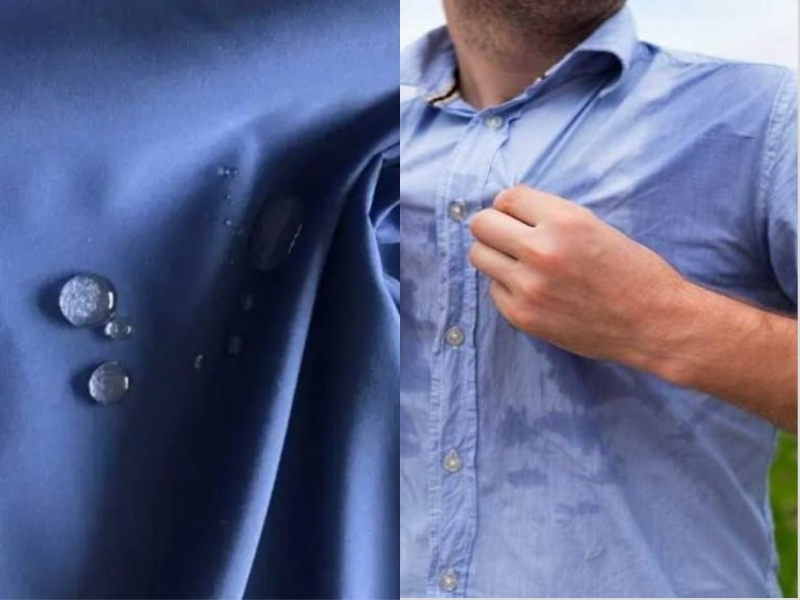
Cotton absorbs water very quickly, whereas polyester does not.
Applications of polyester and cotton fabrics in daily life
Both polyester and cotton have widespread practical applications in daily life; rather than competing, they complement each other.
- Cotton applications: Cotton is favored for high-end fashion apparel due to its comfort and skin-friendliness. It is commonly used to manufacture men's shorts, tank tops, socks, and underwear for both men and women. Since these products require high breathability and excellent moisture absorption, cotton is an ideal choice.
- Polyester applications: Polyester is widely used in sportswear production thanks to its high durability and color retention. It is frequently used for men's athletic shorts, sports underwear, and other activewear. Additionally, polyester is often blended with cotton to create fabrics that offer a balance of durability and comfort.
Conclude
Comparing polyester and cotton fabrics helps you understand the pros and cons of each, enabling you to choose the material best suited to your needs. If you are looking for clothing made from the finest materials, explore the Celidior collection today. Celidior offers you impeccable products that blend premium fabrics with stylish designs.


Ecrit par Celi Dior
Laisser un commentaire
Ce site est protégé par hCaptcha, et la Politique de confidentialité et les Conditions de service de hCaptcha s’appliquent.