



Distinguish between different types of wool to know how to choose high-quality woolen garments.
During the cold season, woolen clothing is always the ultimate way to stay warm. However, there are countless different types of wool. Do you know how to identify and choose high-quality woolen garments?

Wool has been used by humans for at least 6,000 years BCE. Ancient Iranians were the first to domesticate sheep for their wool to keep warm. With many advantages such as: warmth retention; water resistance; flame resistance; self-cleaning… wool has become a popular material for many items such as clothing, blankets, sheets, pillows, gloves… Because the market offers so many diverse wool products, choosing wool items isn't easy. Let's explore all the popular types of wool available on the market with Celidior.
What type of wool is best?
Wool comes in many different types. It is woven from the hair of various animals such as sheep, goats, rabbits, camels, etc. Each animal produces wool of different quality. Even within the same animal, different conditions of raising or different ages can result in different hair qualities.
The quality of wool also depends on the location of the hair on the animal's body. The innermost layer of hair, closest to the skin, is the most valuable because it contains the finest fibers and has the best heat retention. In addition, the length of the hair and its fineness (diameter measured in microns) also affect the quality of the wool.
Wool in mass-produced products is often blended with natural or synthetic fibers. This not only lowers the cost but also improves the elasticity, durability, and shape of the wool fibers.
Basic types of wool and their identifying characteristics
When buying woolen items, you might be confused by the names of the different types of wool listed on the product label. Each type of wool has its own characteristics. Therefore, to choose high-quality wool that suits your needs, Harper's Bazaar helps you distinguish some basic types of wool as follows.
Lambswool

Lambswool is made from the wool of young sheep. This wool is obtained from the first shorn when the sheep are six or seven months old. Lambswool is very fine and soft. It has good elasticity and is hypoallergenic. Because it is harvested only once, lambswool is quite expensive. Lambswool is often used to make children's clothing and blankets, pillows, and bed sheets.
- CHARACTERISTICS: Approximately 15-21 microns in diameter. Soft, smooth, durable, lightweight, and especially hypoallergenic. This type of wool is ideal for people with sensitive skin.
Merino wool
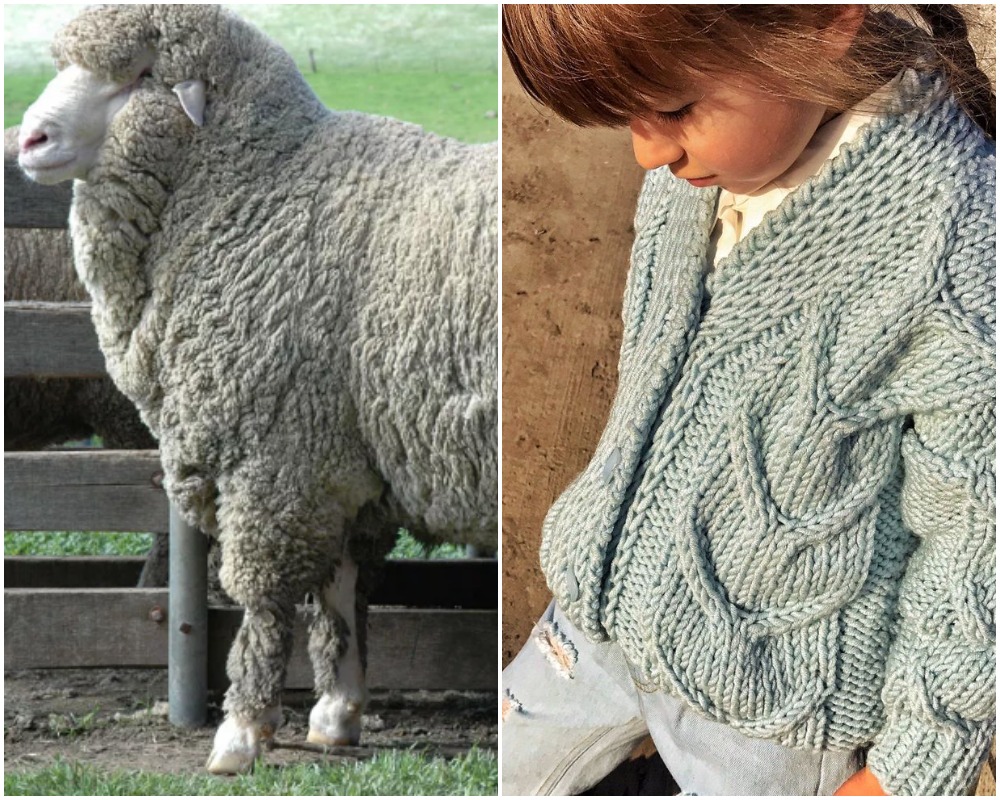
Merino wool originally came from Spain. However, Merino sheep are now commonly raised in New Zealand and Australia. Therefore, you can find many Merino wool products in these two locations.
After shearing, Merino wool undergoes a process to remove the lanolin fat from the fibers. This process is time-consuming and labor-intensive. Furthermore, after processing, only half of the usable wool remains. Therefore, Merino wool is quite expensive. It is considered the most luxurious and high-quality type of wool. This wool is often used for making children's winter clothing, sportswear, and underwear.
- CHARACTERISTICS: It has a diameter of approximately 20-25 microns. Superfine Merino wool can sometimes be as fine as 17 microns. It is antibacterial, breathable, and has excellent temperature regulation properties. It feels incredibly soft to the touch. It does not cause itching, making it a popular choice for warm underwear. Some men's athletic boxer shorts are also made of Merino wool.
Mohair wool from Angora goats

Mohair wool is harvested from Angora goats (often confused with Angora rabbits). These goats are raised similarly to sheep, but on a much smaller scale. Therefore, Mohair wool is slightly more expensive than wool from sheep's wool.
Mohair wool is thicker than Lambswool wool. It has fewer distinct scales, which reduces tangling/shrinkage and minimizes dirt accumulation. Mohair wool has a slightly fluffy, cute, and feminine texture. This wool is commonly used to produce outerwear such as coats, sweaters, hats, scarves, rugs, socks, etc. It is also a popular alternative to fur.
- CHARACTERISTICS: Mohair fibers have a diameter of approximately 25-40 microns. It is heavier than Lambswool wool. It is elastic, dirt-resistant, and wrinkle-resistant. In finished products, Mohair wool often has slightly curly fibers interspersed with short, slightly stiff hairs. These short hairs can cause itching. Therefore, when choosing mohair wool items, you should feel the product with your hands before buying.
Cashmere wool
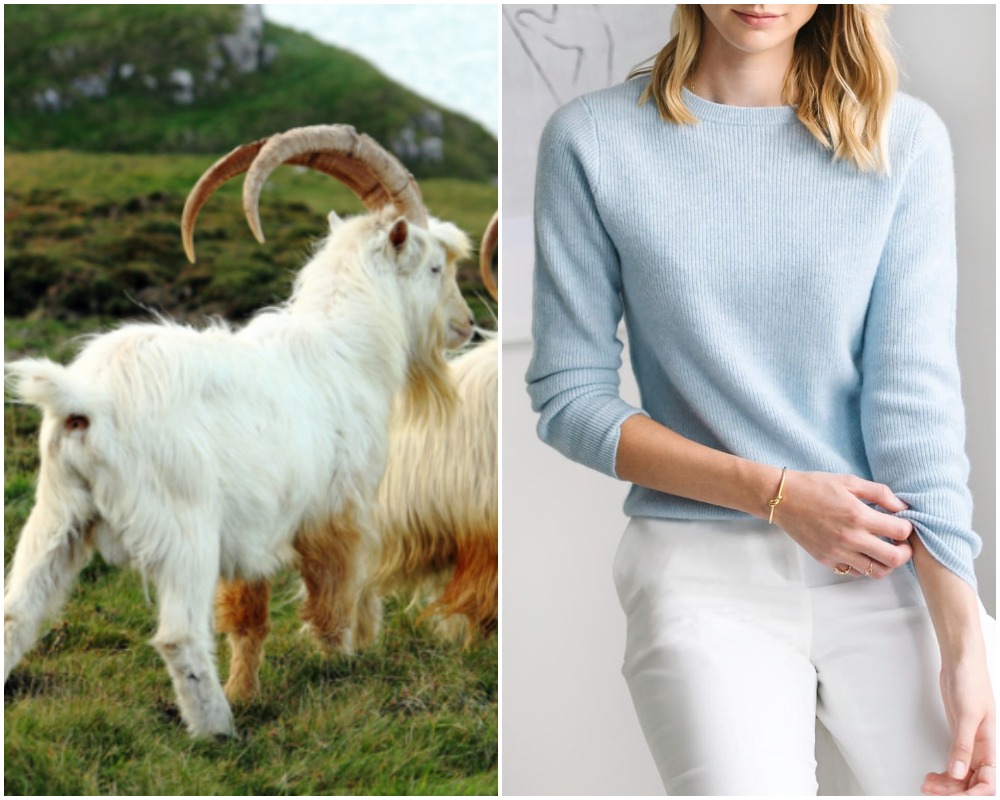
If you're looking for a high-end wool, here's the answer! Cashmere is one of the most luxurious types of wool.
Cashmere wool is made from the ultra-soft undercoat of Kashmir goats. These goats live on the snow-capped peaks of Tibet, China, and Mongolia. The fine fibers growing close to their skin are said to be able to retain warmth even at temperatures as low as -40°C.
Typically, a Kashmir goat only produces about 150 grams of cashmere per year. Therefore, this type of wool is extremely expensive. Cashmere wool is famous for its ability to keep you warm in winter and cool in summer. This material is often used to make scarves, clothing, and underwear.
- CHARACTERISTICS: Approximately 18 microns in diameter. Durable, soft, and the lightest of all wools. Just touching a cashmere product will let you feel its incredible softness.
Alpaca wool
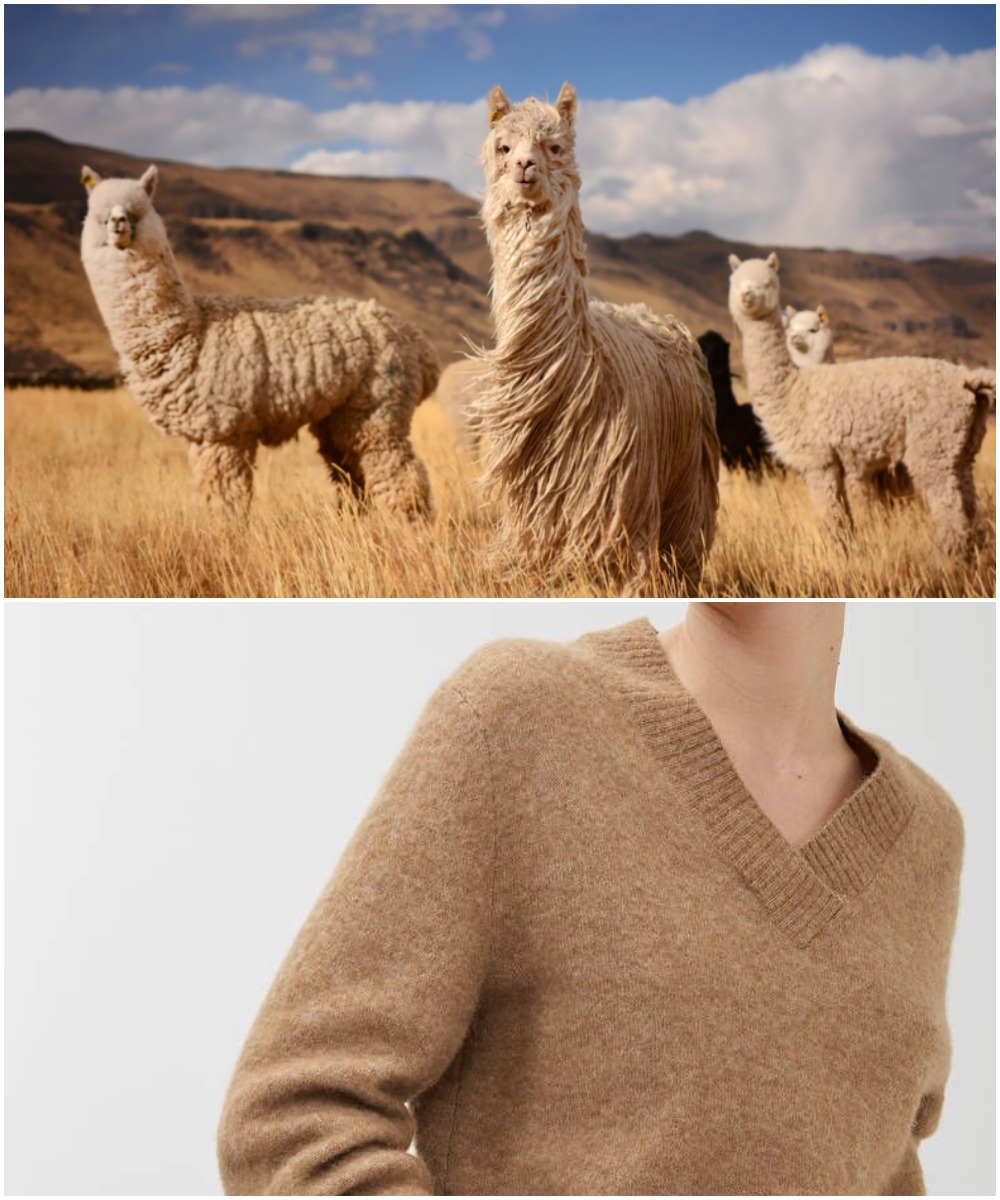
This type of wool is obtained from the hair of a very camel-like creature called the Alpaca. Depending on the Alpaca species, the hair can be thin or thick.
Thin, soft wool is ideal for making woolen clothing. Thick wool, with a diameter of over 30 microns, often causes itching when used in clothing. Therefore, it is combined with the hair of other species to create higher-quality wool.
- CHARACTERISTICS: It has a diameter ranging from 15-40 microns. Thin Alpaca fibers are very fine and soft, but thick fibers (over 30 microns) can cause itching. Therefore, be cautious if you are buying a warm item made with Alpaca wool. Avoid buying products online; try them thoroughly in a store before purchasing.
Angora wool

Angora wool, known for being softer and smoother than cashmere, is the most sought-after material in the world of high-end wool.
However, this type of wool is also highly controversial due to the inhumane nature of its production method. Angora rabbits raised for their fur are often confined in small, cramped cages with insufficient light. The process of harvesting the rabbits' fur has also been criticized as inhumane and animal abuse. Therefore, some major fashion houses refuse to use this type of wool in their products.
- CHARACTERISTICS: The fibers have a diameter of approximately 10-15 microns. Extremely soft and smooth. Creates a very cute fluffy texture in products. It has excellent temperature regulation properties. It absorbs moisture and resists odors well.
Len Vicuña
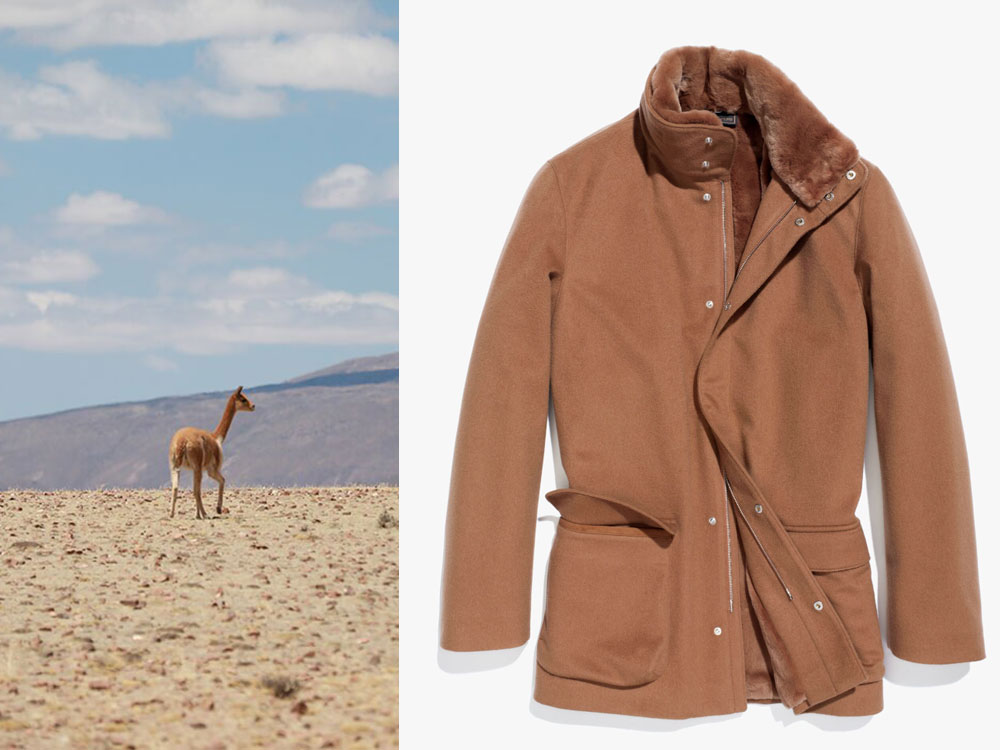
This is the rarest and most expensive wool in the world. Vicuñas are camel-like animals that live in the Andes Mountains of South America. Related to llama and alpaca, vicuñas are the national animal of Peru.
Because they live at altitudes of over 4000 meters above sea level, vicuña wool is incredibly warm. The reason vicuña wool is so expensive is that each animal only yields 200 grams of wool, and it can only be harvested once every two years.
Currently, the only brand that owns products made from vicuña wool is Loro Piana, part of the LVMH group. This Italian brand exclusively owns vicuña farms in South America. Of course, they still sell wool yarn to other brands, but keep the highest quality for themselves. Due to the exclusivity of this animal, it is targeted by poachers.
- CHARACTERISTICS: The fibers have a diameter of only 12.5 microns. Extremely soft and smooth. A sweater made from Loro Piana vicuña wool can be worth $3,000 or more. The sweater in the picture above, made from 100% vicuña wool with mink fur lining, is worth $35,000!
6 tips for choosing high-quality woolen items
Read the label carefully
High-quality wool products usually list their composition on the label. From the label, you'll know what type of wool is used.
It's rare for a product to be made entirely from the wool of a single animal – unless it's underwear made from merino wool. There's always a blend of one or two other natural/synthetic fibers. But a good sweater won't be a blend of three or more fibers.
Feel it with your hands
You can feel the quality of wool by touch. High-quality wool will feel soft and smooth to the touch. For products with a fuzzy outer layer, check if it sheds easily or clumps.
Check the yarn
You can check by looking at the number of yarn strands in a single strand. If there are fewer than two yarn strands in a single strand, you should reconsider buying that product.
Check the thickness of the product
Slip your hand inside the product and then check under light. If you can see your hand through it, it means the product is very thin. Of course, for the Vietnamese climate, you probably don't need very thick wool. Thinner sweaters are also easier to layer. But if you are buying wool for a trip to places that can get sub-zero temperatures, you should choose a thicker one.
Check for wrinkles and elasticity
Roll up the sleeve and hold for a moment, then release. Check if the sleeve returns to its normal state. If creases/wrinkles appear, discard that product.
Alternatively, you can choose wool by gently stretching the product for a few seconds. If the wool is high quality, it will return to its original state and not deform.
Examine the seams
Check the seams at the body of the garment with the collar or sleeves. If it's a high-quality wool product, the seams will be knitted together with wool, not sewn.


Ecrit par Celi Dior
Laisser un commentaire
Ce site est protégé par hCaptcha, et la Politique de confidentialité et les Conditions de service de hCaptcha s’appliquent.