

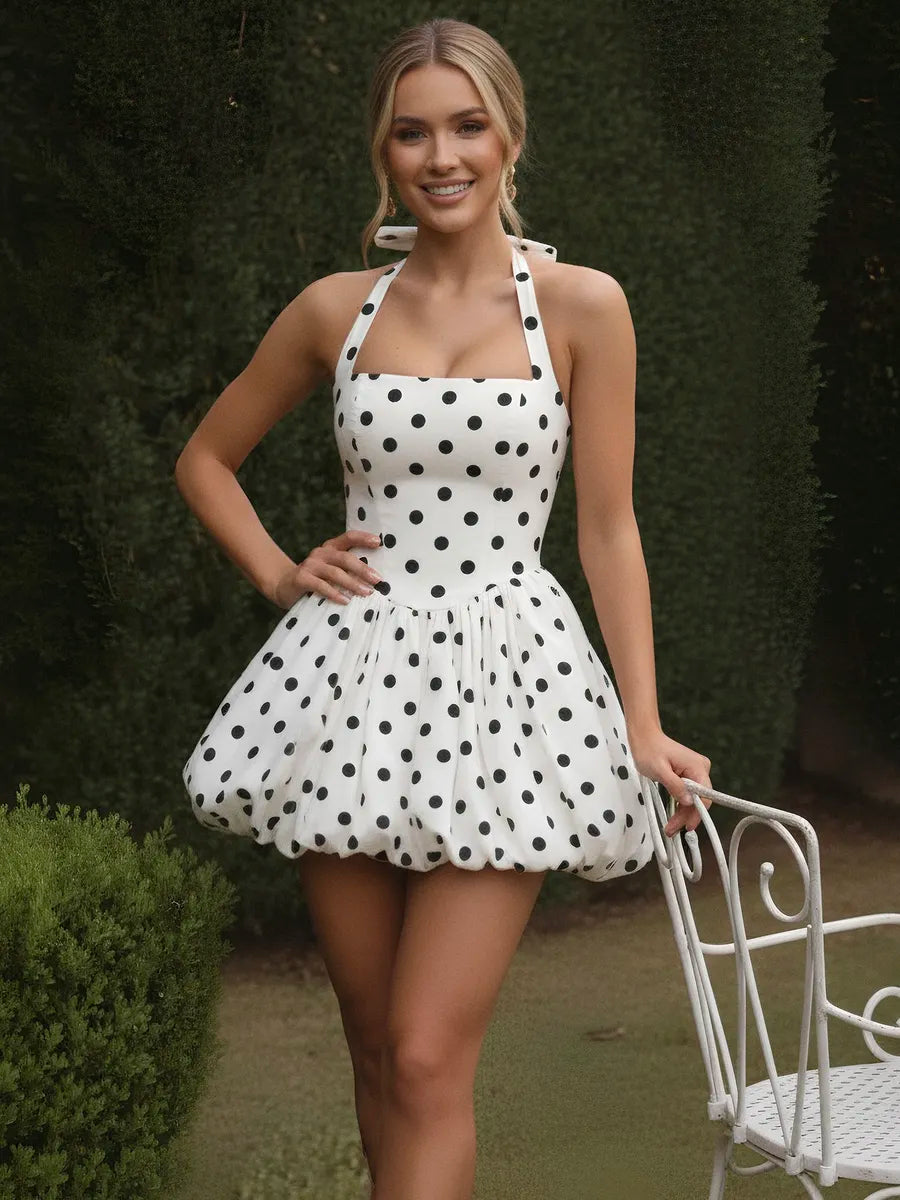
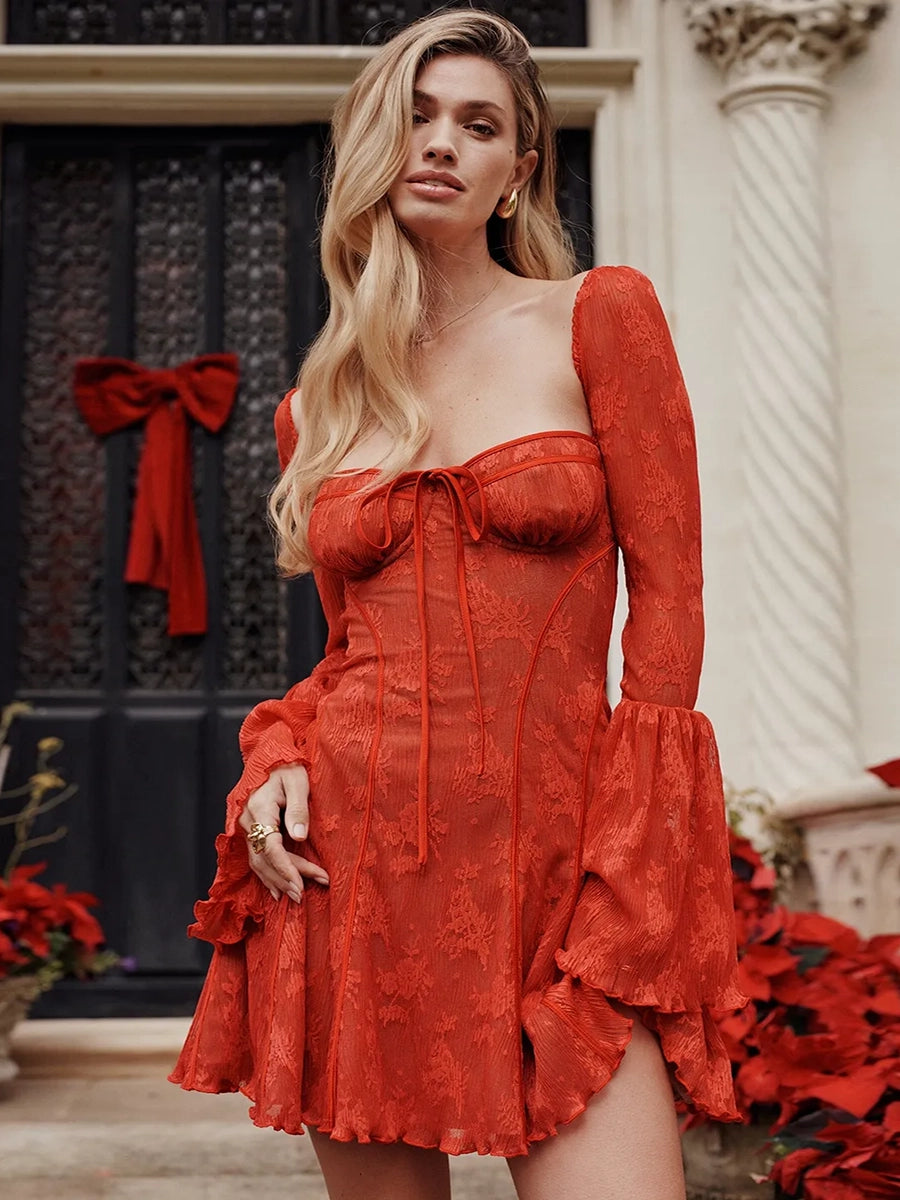
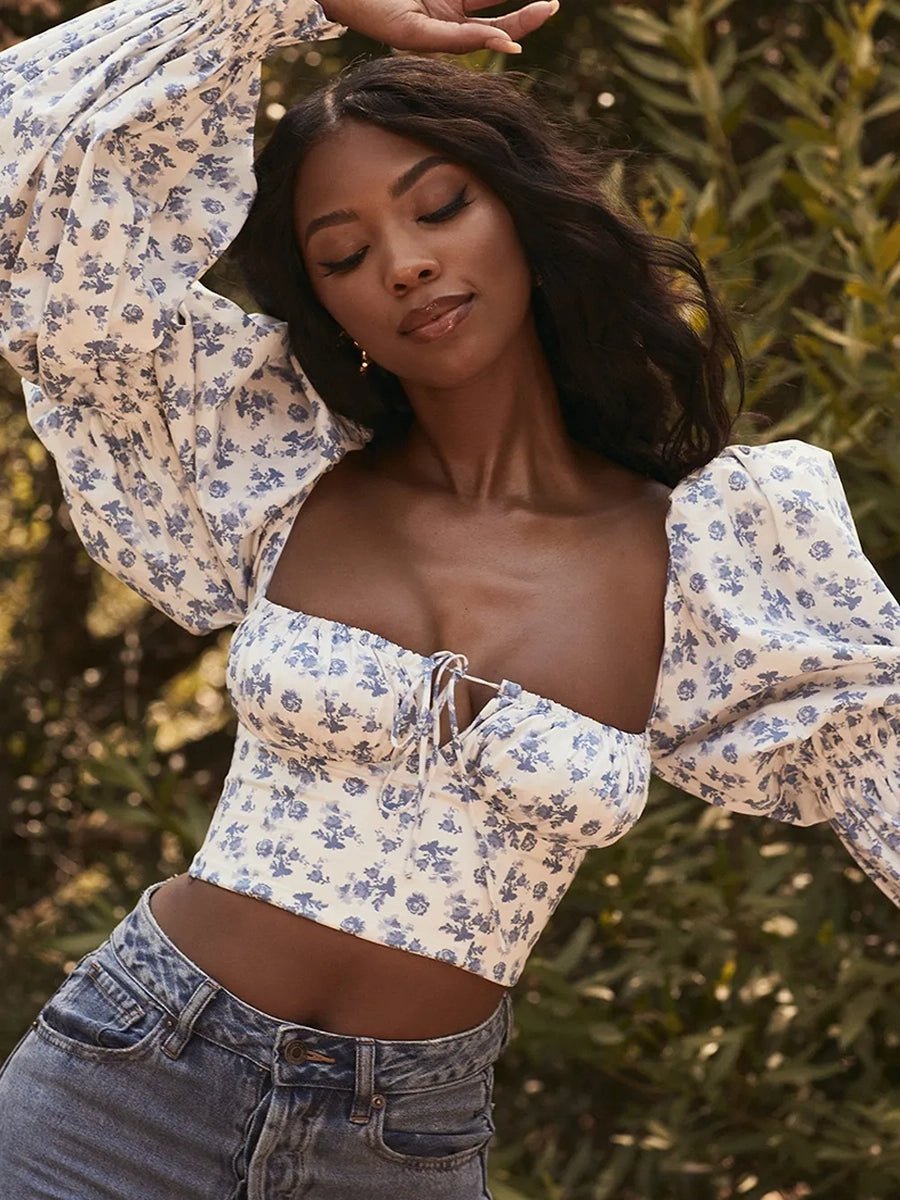
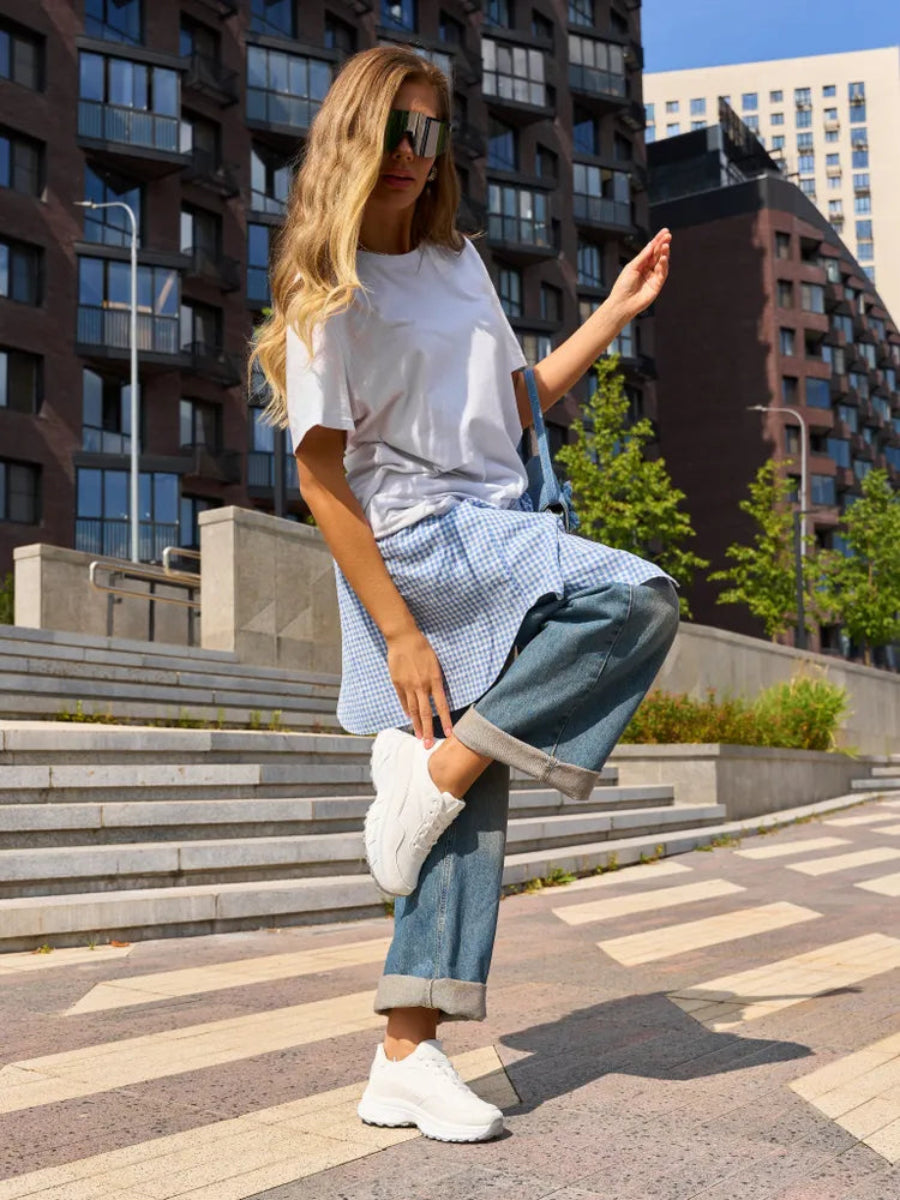
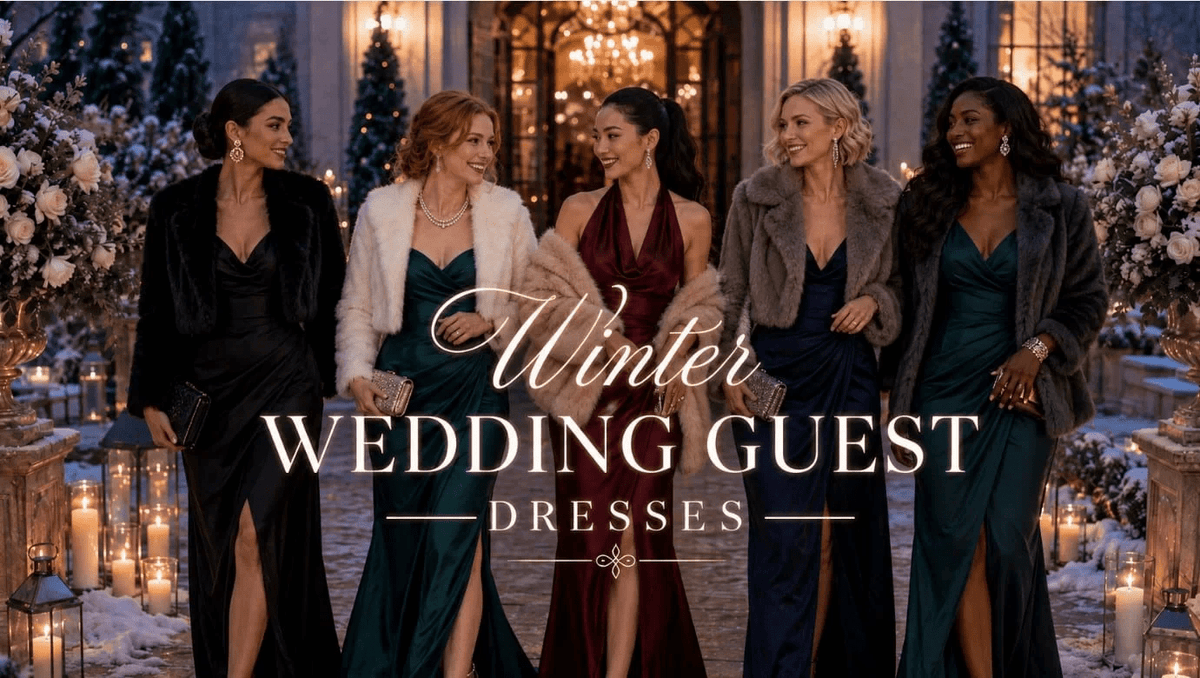
Guide to Choosing Elegant, Warm, and Timeless Dresses for Winter Weddings
Winter is more than just a season of chilly winds, drifting frost, and the warm, festive spirit of Christmas. It is also the “golden season” for some of the most grand and romantic weddings of the year. For any guest, the question “What should I wear to a winter wedding?” can be just as much of a headache as choosing the perfect wedding gift. Unlike the light, breezy styles of summer or the gentle aesthetic of autumn, winter wedding attire requires a delicate balance between staying warm and looking elegant—ensuring you remain stylish, sophisticated, and appropriately dressed for the occasion.
- 1. Why is it so “difficult” to choose a dress for a winter wedding?
- 2. The “King” of Materials – Which Fabric to Choose for a Winter Wedding Dress?
-
3. Silhouette – Flatters your figure, conceals imperfections, and suits the dress code
- 3.1 A-Line Silhouette – A “lifesaver” for every body type
- 3.2 Mermaid / Trumpet Silhouette – The ultimate silhouette for accentuating curves
- 3.3 Fit-and-Flare Silhouette (Fitted waist – Gently flared) – A perfect balance
- 3.4 Column / Sheath Silhouette – Minimalist, “Old Money,” Sophisticated Elegance
- 3.5 Spaghetti-strap / Strapless / Off-shoulder dresses + Layering (An exception for revealing styles)
- 3.6 Long dresses (Maxi/Floor-length) vs. Short dresses (Midi/Knee-length)
- 4. Winter Color Palette – Sophisticated, Harmonious, and Distinctive for Brides
-
5. The Art of Layering – The Secret to Looking Great Both With and Without Your Outer Layers
- 5.1 Base Layer (Underlayer – Invisible yet powerful)
- 5.2 Mid Layer (Middle layer – provides shape and primary warmth) – Optional; typically the dress itself
-
5.3 Outer Layer (Statement piece; provides protection from wind/cold when moving between indoor and outdoor spaces)
- 5.3.1 Option A: Blazer / Structured Coat – The top modern choice
- 5.3.2 Option B: Faux Fur Coat / Vest – The Ultimate Glamour Statement
- 5.3.3 Option C: Cape / Poncho / Cloak – Dramatic, Regal, and Excellent for Concealing Imperfections
- 5.3.4 Option D: Trench Coat / Long Wool Coat – A Classic, Safe Choice
- 5.3.5 Option E: Cardigan / Knitwear – Best for Intimate, Casual, or Semi-Formal Weddings
- 6. Accessories – The finishing touch for perfection
- 7. “Disastrous” mistakes to strictly avoid when wearing a winter wedding dress
- 8. Caring for your garments after a party – Cherish your clothes, and they will love you back
- 9. Conclusion: Your Winter – A Winter of Sophistication
This article serves as the ultimate guide to navigating winter wedding fashion. It will help you unlock the secrets to choosing the perfect outfit—one that keeps you cozy, earns you plenty of compliments (and “likes”), and shows proper respect both to the bride and groom and to yourself.
Why is it so “difficult” to choose a dress for a winter wedding?
Before diving into the specifics of how to choose your outfit, it is essential to understand the “opponent” you are up against. Winter in Vietnam (especially in the North) or in other tropical regions with cold, damp winters presents a unique set of challenges:
- Fluctuating temperatures: While it may be bone-chillingly cold outdoors, indoor event venues are often kept quite warm with powerful heating systems. Dressing too heavily leads to overheating and sweating—which can ruin your makeup—while dressing too lightly leaves you shivering when moving between locations or taking photos outside.
- High humidity: The cold, damp air can penetrate to the bone; it also causes thin fabrics to become clammy and cling to the body, which is both unsightly and uncomfortable.
- Dress codes: Winter weddings tend to be more formal (e.g., White Tie, Black Tie, Cocktail, or Formal). Short dresses, sheer fabrics, or overly revealing cuts are often considered inappropriate for such occasions.
- Complex layering: How do you incorporate coats, shawls, or outer layers without looking bulky or shapeless—while ensuring that what you’re wearing underneath remains a complete, stylish ensemble once the outer layers are removed?
By grasping these factors, you have already solved half the puzzle. The remaining 50% comes down to your knowledge of fabrics, silhouettes, colors, and accessories.
The “King” of Materials – Which Fabric to Choose for a Winter Wedding Dress?
The choice of fabric determines 70% of the success of a winter dress. You need a material that has a moderate weight, provides good warmth, is wrinkle-resistant, drapes beautifully, and exudes a sense of luxury.
Top 5 materials that are absolutely perfect for winter:
Velvet – The pinnacle of luxury and warmth
- Characteristics: Soft and smooth, with a subtle sheen and substantial weight; offers excellent heat retention and an inherently "luxurious" look at first glance.
- Suitable for: Evening weddings, black-tie events, formal occasions, grand banquet halls, and classic or mysterious-themed settings.
- Notes: Prone to attracting dust, lint, and hair—use a lint roller before wearing. Opt for a velvet blend (containing polyester or spandex) for added stretch and comfort, as opposed to pure silk velvet (which is extremely expensive and difficult to maintain).

Brocade / Jacquard – A regal, traditional aesthetic
- Characteristics: Thick, firm yet pliable, featuring intricate raised patterns (floral or geometric); no additional printing required. Excellent at maintaining the dress’s shape (structure).
- Suitable for: Traditional weddings, marriage ceremonies, formal daytime weddings, and Vintage/Retro-style weddings.
- Advantages: Highly effective at providing warmth, excellent for concealing body imperfections (such as around the midsection or hips), and wrinkle-resistant.

Heavy Crepe / Scuba Crepe – Modern, Minimalist, and “Flattering” to the Figure
- Characteristics: Smooth fabric with a substantial weight and excellent four-way stretch; it drapes softly, hugging the body’s natural curves without adding bulk.
- Best for: Modern weddings, contemporary settings, cocktail attire, and those who favor a “clean girl” or “old money” aesthetic.
- Advantages: Wrinkle-resistant (ideal for long periods of sitting in cars or on planes), surprisingly warm due to its thickness, and easy to layer with thermal undergarments.

Wool Blend / Tweed – British Style, Vintage, Classic
- Characteristics: Natural or synthetic-blend wool; offers excellent heat retention and a distinct fabric texture (such as tweed), evoking a warm, “cozy” feel.
- Suitable for: Outdoor winter weddings (garden weddings), European-style weddings, as well as Preppy, Academic, or Rustic aesthetics.
- Note: May cause slight irritation to sensitive skin—consider wearing a thin base layer underneath or opting for a high-quality blend (e.g., Merino wool blend).

Heavy Satin / Duchess Satin – Romantic, Feminine, Lustrous
- Characteristics: Features a smooth, mirror-like glossy surface with a soft, velvety-smooth interior. The fabric is thick and substantial, creating elegant, fluid folds when draped.
- Best suited for: Sophisticated evening weddings, black-tie events, or weddings where the bride requests floor-length gowns for guests.
- Important notes: Prone to static electricity and surface scratches; seams or undergarments may easily show through. It is essential to wear seamless undergarments and use an anti-static spray.
Pro-tip: Strictly avoid thin chiffon, voile, sheer organza, single-layer lace, lightweight cotton, or cheap, thin polyester. These materials lack warmth, wrinkle easily, and can appear "cheap" under the lighting of a winter wedding venue.

Silhouette – Flatters your figure, conceals imperfections, and suits the dress code
Winter gives you the green light to go all out with structured, long-sleeved, high-neck dresses—pieces that are typically “banned” during the summer.
A-Line Silhouette – A “lifesaver” for every body type
- Why: It cinches the waist while perfectly concealing the thighs and hips. Despite the use of heavier fabrics, it maintains a lightweight, graceful feel.
- Winter version: Features long sleeves and a high neck (or mock neck/boat neck). The skirt flows gently from the waistline.
- Recommended fabrics: Heavy crepe, brocade, wool blend, or velvet.

Mermaid / Trumpet Silhouette – The ultimate silhouette for accentuating curves
- Why: Tight from chest -> waist -> hips -> knees, then slightly puffed. Create the most seductive and luxurious S shape.
- Winter version: Great with Velvet and Heavy Satin. Thick fabric helps conceal lower abdomen and wide hips without needing too thick shapewear.
- Note: Difficulty moving or sitting down. Only choose if you are confident in your body shape and the wedding does not require much movement.

Fit-and-Flare Silhouette (Fitted waist – Gently flared) – A perfect balance
- The rationale: A cross between A-line and mermaid silhouettes. It fits closely through the upper body and flares out gently from the hips. Offers ease of movement while remaining elegant and youthful.
- Recommended fabrics: Jacquard, Scuba Crepe, Brocade.
Column / Sheath Silhouette – Minimalist, “Old Money,” Sophisticated Elegance
- Why: It follows the vertical lines of the body without adding bulk, creating an appearance that is tall, slender, highly professional, and authoritative.
- Winter version: Features a turtleneck or high neck and long sleeves. Works exceptionally well in fabrics like wool crepe, heavy crepe, or cashmere blends.
- Accessories: A belt is essential to define the waist.

Spaghetti-strap / Strapless / Off-shoulder dresses + Layering (An exception for revealing styles)
- If you are set on wearing an off-the-shoulder or ankle-baring dress in winter, a well-thought-out layering strategy is essential. Consider incorporating a thick blazer, a faux fur coat, a slim-fitting, lightweight cashmere sweater, or a large cashmere/pashmina shawl.
- Ensure that the colors of your undergarments and outerwear harmonize with the dress—either through a "ton-sur-ton" (monochromatic/matching) approach or a subtle, tasteful contrast.

Long dresses (Maxi/Floor-length) vs. Short dresses (Midi/Knee-length)
- Floor-length gowns (reaching the floor or your feet): The standard choice for Black Tie, White Tie, or formal evening weddings. They offer the most warmth for your legs and pair easily with closed-toe heels or boots.
- Midi dresses (falling between the mid-calf and the knee): Ideal for Cocktail, semi-formal, or daytime wedding attire. They offer a modern, youthful look. Note: To stay warm and avoid the discomfort of exposed, freezing legs, pair these with knee-high boots or thigh-high socks (in skin-tone or black).


Winter Color Palette – Sophisticated, Harmonious, and Distinctive for Brides
Winter is the season for deep, rich, muted, and metallic tones. Avoid neon colors and bright pastels (such as pastel pink, mint green, or lemon yellow)—these belong to the Spring/Summer seasons.
The “Black – White – Gray” (Monochrome/Neutral) Group – Safe, Sophisticated, Timeless
- Black: Represents power and mystery; it is also the most slimming color. Note: In Vietnamese culture, black is traditionally avoided at weddings. If you choose to wear black, you must incorporate bright accessories (such as metallic pieces, gemstones, or pearls), a light-colored jacket, or a dress featuring lace or sheer (voile) details to break up the solid black.
- White / Cream / Beige / Nude: STRICTLY PROHIBITED (as these colors conflict with the bride’s attire). The only exception is if you are a bridesmaid and have been specifically instructed by the bride to wear one of these shades.
- Grey (Grey/Charcoal/Slate): Exudes an "old money" aesthetic and sophistication. It pairs easily with jackets in camel, brown, or black.

The “Deep/Jewel Tones” Group – The Pinnacle of Luxury, Exuding an “Expensive” Look
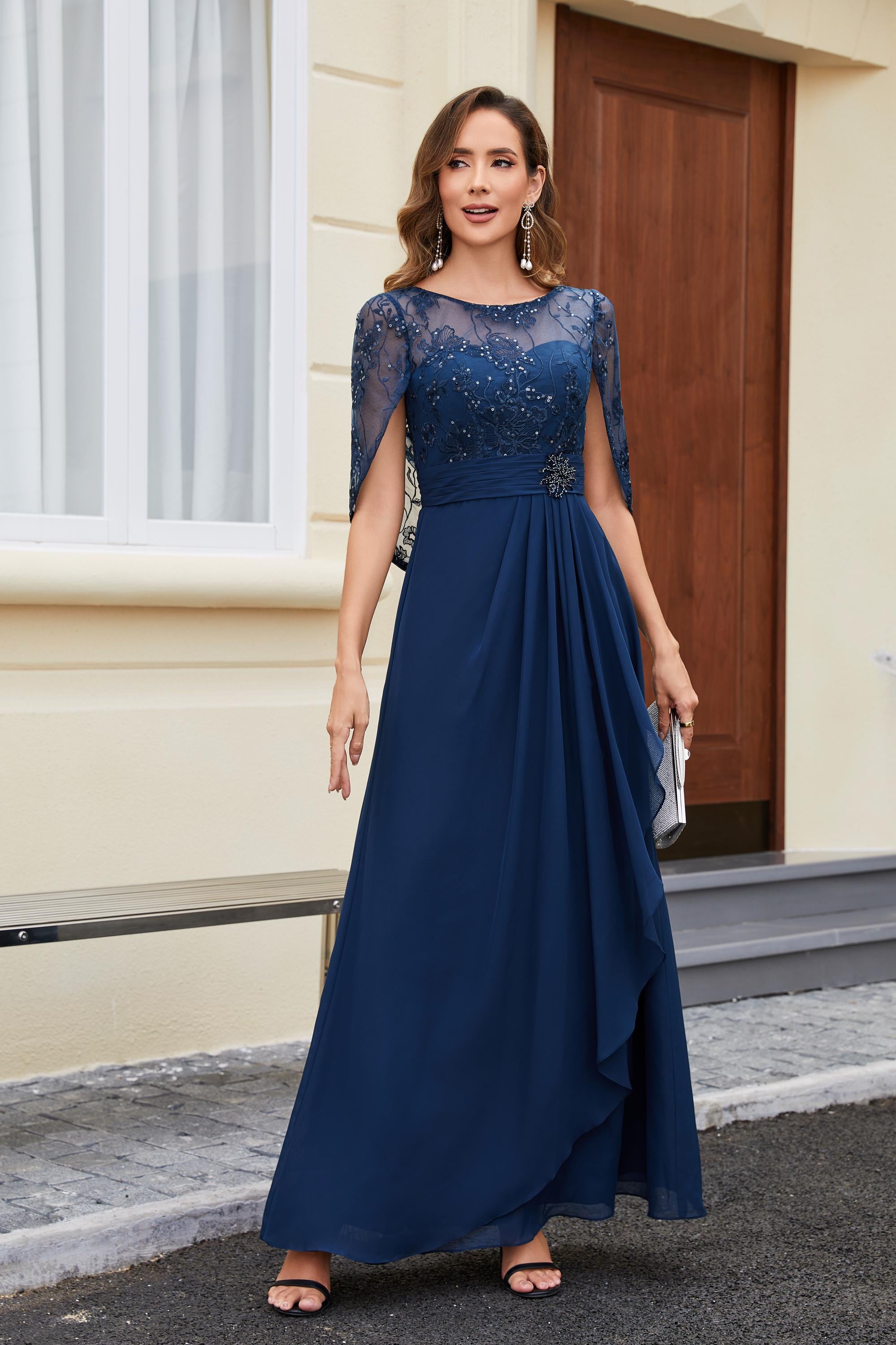
- Navy Blue: The go-to, universal choice for parties. It’s formal, creates a slimming effect, and flatters every skin tone. It pairs beautifully with gold, silver, and white.
- Emerald Green / Deep Teal: Exudes luxury—striking without being gaudy. Ideal for those with fair or yellow-undertoned skin.
- Burgundy / Maroon / Wine Red: The quintessential winter palette. Warm, romantic, and commanding; it works exceptionally well with velvet and satin.
- Deep Purple / Plum: Mysterious and sophisticated. Best suited for those with fair or rosy-toned skin.
- Chocolate Brown / Camel / Rust: Perfectly aligned with the trending "mob wife" and "old money" aesthetics. These warm, rich tones pair beautifully with tweed, wool, and velvet.
Metallic / Shimmer Group – For evening weddings, galas
- Gold / Champagne Gold / Antique Gold: Luxurious and regal. Opt for muted or subtle shimmer (matte shimmer) rather than high-glitter, dazzling finishes.
- Silver / Gunmetal / Pewter: Modern, sleek, and "cool-toned."
- Bronze / Copper: Warm and vintage-inspired.
Note: Reserve full-metallic gowns exclusively for "Black Tie," "Gala," or "Evening Formal" dress codes. For daytime weddings or cocktail events, use metallic elements only as accents—such as in handbags, footwear, outerwear, or as embellished details on a dress.

The “Don’t Match the Bride” Rule:
- If possible, ask about the color of the bride’s *áo dài* or dress beforehand.
- Avoid white, cream, ivory, blush pink (pale pastel pink), and light champagne.
- If you’re unsure, opt for navy, dark moss green, wine red, dark brown, charcoal gray, or black (paired with accessories to break up the look).
The Art of Layering – The Secret to Looking Great Both With and Without Your Outer Layers
This is the most crucial skill that sets you apart. Winter layering isn’t just about piling clothes on like a “head of cabbage”—it’s about the architecture of an outfit.
Base Layer (Underlayer – Invisible yet powerful)
- Thermal innerwear (e.g., Heattech, Uniqlo, Decathlon, or Vietnamese brands): Opt for ultra-light, four-way stretch styles in nude, white, or black, depending on the color of your dress.
- Bodysuits or long-sleeve tops: Choose neutral-colored, smooth, seamless pieces. These help your dress drape perfectly, prevent static cling, and keep your core warm.
- Thermal thigh-high stockings or thermal slips (skirt liners): Available in nude or black; these provide excellent warmth for your legs when wearing midi or maxi dresses.
Mid Layer (Middle layer – provides shape and primary warmth) – Optional; typically the dress itself
- If the dress is made of a thick fabric (velvet, brocade, heavy crepe, or wool), there is no need for an additional mid-layer; the dress itself serves as the mid-layer.
Outer Layer (Statement piece; provides protection from wind/cold when moving between indoor and outdoor spaces)
It should look good as part of the outfit—not just serve as a “coat to cover the body.”
Option A: Blazer / Structured Coat – The top modern choice
- Silhouette: Slightly oversized ("boyfriend fit") or fit-and-flare (feminine). Length: Hip-length or mid-thigh (ensuring it does not cover a maxi dress or skirt).
- Fabric: Wool, tweed, cashmere blend, or heavy crepe.
- Colors: Camel, brown, gray, black, navy, or a tone-on-tone palette (e.g., a navy dress paired with a navy blazer creates a sophisticated, monochromatic look).
- Styling: Wear unbuttoned to reveal the dress underneath. The dress or skirt should be slightly longer than the blazer.
Option B: Faux Fur Coat / Vest – The Ultimate Glamour Statement
- Length: Cropped (waist-length) or mid-thigh. Avoid floor-length styles, which can drag on the ground or overwhelm the dress.
- Colors: Cream, gray, black, camel, or soft pastels (such as powder pink or mint green—only if the dress itself is in a deeper, richer tone).
- Texture: Short-pile faux fur generally looks more sophisticated than long, shaggy, or matted fur. Opt for a dense, soft, high-quality material that does not shed.
- Styling: A velvet dress paired with a fur vest creates a luxurious, "decadent" look; a satin dress with a cropped fur coat evokes classic Hollywood glamour.
Option C: Cape / Poncho / Cloak – Dramatic, Regal, and Excellent for Concealing Imperfections
- Perfect for A-line, column, or mermaid-silhouette dresses; these pieces add a structured, architectural element to your ensemble.
- Fabrics: Wool, cashmere, velvet, or brocade.
- Details: Look for features like a high neck, elegant snap buttons, or kimono/raglan-style sleeves.
Option D: Trench Coat / Long Wool Coat – A Classic, Safe Choice
- Intended strictly for arrival and departure. Must be removed entirely upon entering the venue, taking photos, or dining. Never remain in a trench coat while seated for a meal.
Option E: Cardigan / Knitwear – Best for Intimate, Casual, or Semi-Formal Weddings
- Choose materials like cashmere, merino wool, or silk blends. Opt for a thin, fitted silhouette in a neutral color.
- Style it buttoned up or cinched at the waist with a belt over the dress.
The Golden Rule of Layering: Your outerwear must be pristine, well-maintained, and complementary to your dress. Once removed, the dress underneath must look flawless—free of wrinkles, distortion, or visible bra straps. Bring a high-quality fabric bag to fold and store your outerwear when entering the lobby.
Accessories – The finishing touch for perfection
Footwear – Comfort comes first
Closed-toe pumps (including slingbacks): A classic choice. A 5–7cm block heel offers more stability than a stiletto. Suede or patent leather are both excellent options. Colors: Black, navy, nude, metallic, or a shade that matches your dress (monochromatic look).
Knee-high or over-the-knee boots: A great solution for midi dresses. Opt for leather or patent leather in black, brown, or gray. Note: Ensure your dress or skirt is either long or wide enough to overlap the top of the boots, or choose boots that fit snugly without bunching or sagging.
Flat shoes (loafers, ballet flats, or Mary Janes): Suitable only for casual or daytime weddings—or if you simply cannot wear heels. Look for soft leather, rubber soles, and cushioned insoles.
Bags – Small, compact, expensive

- Clutch / Minaudière: Sized to hold essentials like a phone, lipstick, tissues, and keys. Available in materials such as velvet, satin, beadwork, leather, or metallic finishes. Often includes a detachable chain strap for hands-free carrying.
- Top-handle bag: Exudes an "old money" aesthetic; highly sophisticated. Examples include the Dior Lady Dior, Chanel Top-Handle, or high-quality inspired versions.
Jewelry – Balancing with Necklines and Fabrics
- High neck / Turtleneck / Boat neck / Long sleeves: Skip the necklace. Focus on statement earrings (long, drop-style, diamonds, pearls, or colored gemstones), cocktail rings (large, with colored stones), and delicate bracelets.
- Sweetheart / V-neck / Off-shoulder / Strapless: Opt for a statement necklace (diamonds, pearls, or large colored gemstones) paired with small (studs/huggies) or medium-sized earrings. Avoid wearing both a large necklace and large earrings, as this can look overwhelming.
- Velvet / Brocade (fabrics with intricate patterns or complex textures): Choose simple, delicate jewelry in refined metals (gold or platinum).
- Satin / Smooth Crepe (plain fabrics): Opt for eye-catching jewelry, colored gemstones, or pieces with artistic designs.
Shawls / Stoles / Pashminas – A “2-in-1” Accessory
- Materials: Cashmere, pashmina, silk-wool blends, or velvet. These are soft, lightweight, and warm—easily folded to fit into a handbag.
- Usage: Wrap around the neck for warmth, drape over the shoulders to cover exposed arms, or use as a lap cover when seated for long periods.
- Colors: Choose a monochromatic (ton-sur-ton) look, or select a contrasting accent color (e.g., a navy dress paired with a camel or burgundy shawl).
Gloves – Vintage Chic
- Materials: Suede, Nappa leather, cashmere, or velvet. Available in lengths ranging from the wrist to the elbow (opera-length).
- Perfect for strapless, off-shoulder, or short-sleeved dresses. They add a touch of elegance and keep your hands warm—ideal when holding a glass or posing for photos outdoors.
Hats / Hair Accessories
- Fedora, Beret, or Cloche hats: Suitable only for outdoor, rustic, garden, or daytime weddings. Remove them immediately upon entering an indoor space.
- Hair clips, ribbons, or dried-flower wreaths: Ideal for updos—they keep hair neat, reveal the neckline, and provide a bit of warmth for the head.
“Disastrous” mistakes to strictly avoid when wearing a winter wedding dress
- Wearing a dress made of thin, cheap synthetic fabric (like flimsy polyester) — you’ll end up shivering, the fabric will wrinkle, and it will look "tacky."
- Wearing revealing styles (strapless, spaghetti straps, or cut-outs) without a layering plan (such as a jacket, shawl, or gloves) — you’ll be cold, appear inappropriate, and look bad in photos.
- Wearing white, cream, ivory, or light pastel pink — this clashes with the bride (the ultimate taboo).
- Wearing all-black without any accents — in Vietnamese culture, this is reminiscent of funeral attire.
- Wearing thin-heeled, open-toed, or smooth-soled high heels — these cause foot pain, pose a slipping hazard on wet or slick floors, and leave your feet freezing.
- Carrying large handbags, backpacks, or everyday casual bags — these instantly ruin an elegant look.
- Wearing outerwear like puffer jackets, sportswear, plastic raincoats, chunky/oversized sweaters, or hoodies — these immediately destroy your entire outfit.
- Forgetting thermal undergarments — you’ll shiver all night, look pale, and end up with unflattering photos.
- Applying heavy makeup or sticky lip gloss — it will smear onto napkins and glasses, and your skin may flake due to the temperature shift between the warm venue and the cold outdoors.
- Leaving your hair loose and letting it get messy or tangled when putting on/taking off coats or scarves — it looks unprofessional.
Caring for your garments after a party – Cherish your clothes, and they will love you back
- Empty your pockets and hang up your coats and dresses as soon as you get home. This allows them to air out, letting sweat, cigarette smoke, or food odors dissipate.
- Address stains immediately (spot cleaning)—whether from sauces, alcohol, or lipstick. Gently blot the area with a damp cloth (do not rub). Take the item to a professional dry cleaner as soon as possible (ideally within 1–2 days).
- Dry Clean Only: Almost all winter fabrics—such as velvet, brocade, satin, wool, silk, or beaded garments—MUST be dry-cleaned. Do not machine wash or hand wash them. Choose a reputable dry cleaner and clearly specify the fabric type and the nature of any stains.
Long-term storage:
- Use a breathable garment bag; avoid plastic bags.
- Use wide, contoured (padded or wooden) hangers to maintain the shape of the shoulders.
- Store in a cool, dry place, away from direct sunlight.
- Include moisture-absorbing packets or natural scents (such as lavender or cedarwood) to deter insects and prevent musty odors.
- Velvet: Hang the garment; do not fold it, as creases will easily leave permanent marks.
- Satin: If packing in a suitcase or bag, roll the fabric loosely instead of folding it.
Conclusion: Your Winter – A Winter of Sophistication
Choosing a dress for a winter wedding is about more than just solving the "how to stay warm" dilemma. It is an opportunity to celebrate your own beauty, show respect to your hosts, and embrace the unique charm of the cold season.
Consider a form-fitting, burgundy velvet dress paired with a camel-colored blazer; a pair of polished leather boots worn beneath a tweed midi skirt; or a sleek, jet-black satin maxi dress complemented by a cream-colored fur vest—each choice tells a story of personal style, a deep understanding of your own silhouette, and a grasp of the unwritten rules of elegance.
Do not fear the cold, do not shy away from a bold look, and do not be afraid to experiment. Winter is the season for layering, rich textures, deep, evocative colors, and exquisite accessories—make the most of them all.
May your winter be filled with joyful invitations, outfits that make you radiate confidence, and beautiful, enduring memories shared with loved ones and friends. Step into the wedding venue like a Winter Queen: warm, sophisticated, and—above all—timelessly stylish.
I hope this guide serves as your perfect companion for navigating every winter wedding you attend. If you found it helpful, please share it with your friends! Wishing you all beauty, warmth, and good fortune!


Ecrit par Celi Dior
Laisser un commentaire
Ce site est protégé par hCaptcha, et la Politique de confidentialité et les Conditions de service de hCaptcha s’appliquent.