





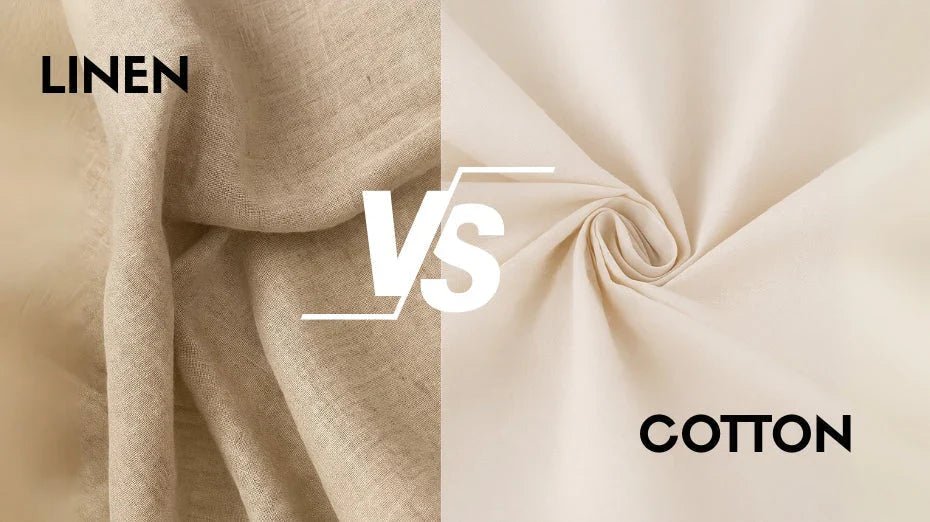
Comparing linen and cotton fabrics: what are the differences? Which one should you choose?
Linen and cotton are both durable, breathable, and soft fabrics derived from natural fibers. So, how do they differ?
Linen and cotton are both durable, breathable, and soft fabrics derived from natural fibers. So, how do they differ?
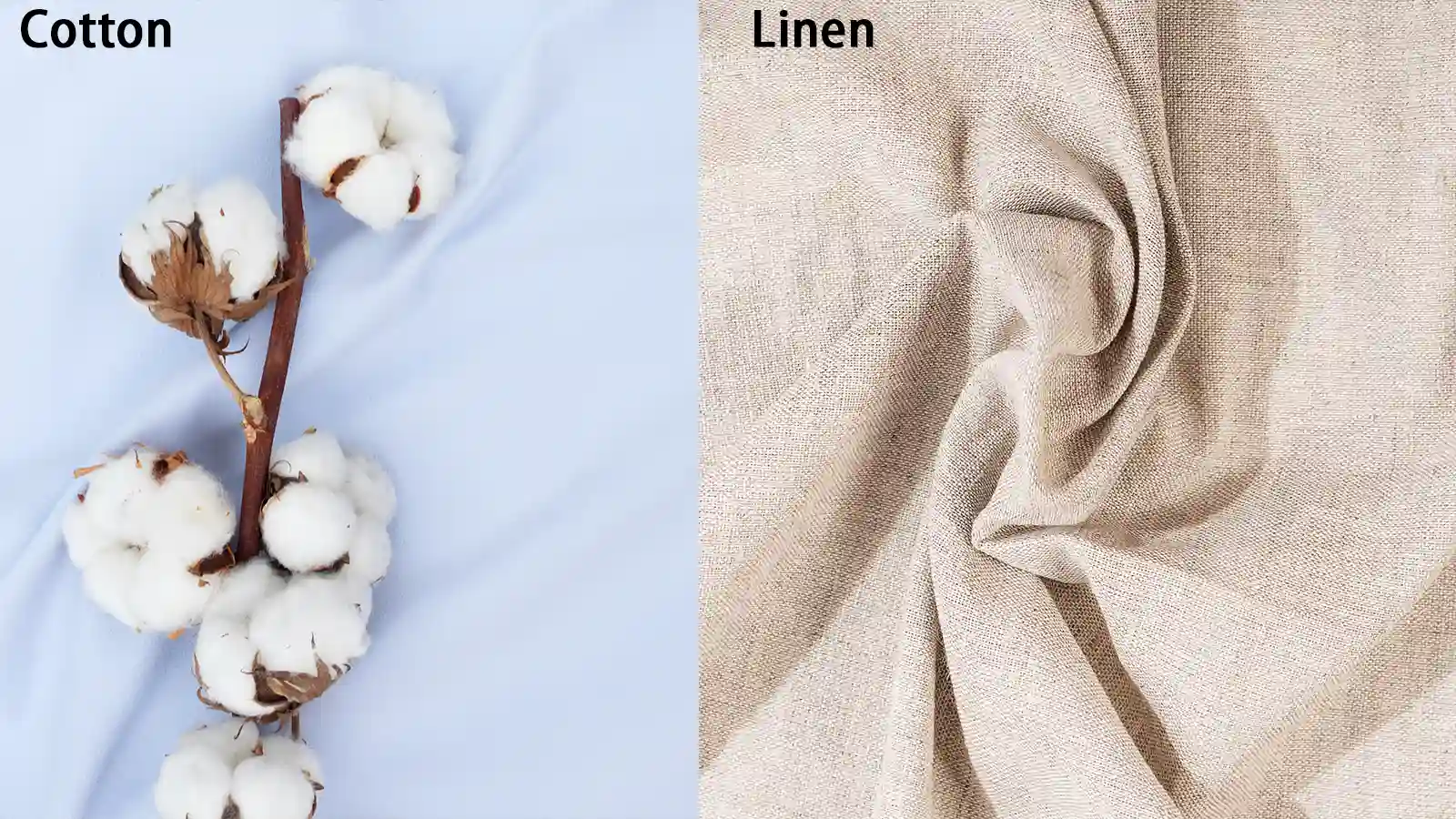
When comparing linen and cotton, each material excels in different areas—whether it be breathability or absorbency. While both are eco-friendly fabrics made from natural fibers, there are subtle differences between cotton and linen textiles that make each unique.
Quick comparison
| Type | Cotton fabric | Linen fabric |
| Breathability | It is possible, depending on the fabric weaving method. | More breathable than cotton |
| Durability | More durable but prone to shrinking. | Less durable and prone to greater shrinkage than cotton fabric. |
| Heat retention | It is warmer depending on the thickness of the fabric. | No |
| Softness | Softer than linen | It has a firmer texture. |
| Moisture absorption capacity | Less | Better |
| Preserve | Wash in cold water and tumble dry on low heat. | Wash in cold water and air dry. |
| Price | Cheaper than linen | More expensive than cotton |
| Application | More versatile; suitable for T-shirts, polo shirts, blouses, trousers, skirts, and home textiles. | Primarily used for blouses, trousers, skirts, and bed sheets. |
What is linen fabric?
Linen is made from the flax plant. It is another ancient fabric that has been used for clothing for centuries; however, it is not as widely used globally as cotton, as it is primarily worn in warmer climates or during the warmer months of the year.
Linen is another type of staple fiber, but it consists of long staple fibers—typically longer than those of cotton. As previously mentioned, linen is usually a woven fabric, so there are not many variations of linen beyond the standard type with which we are familiar.

Unlike cotton, the characteristics of linen are quite consistent, as it generally does not come in a wide range of textures or thicknesses. Although many linen fabrics appear white, the flax fiber itself is not naturally white; instead, it is a grayish-brown color.
Linen production begins by harvesting the flax plants once they have matured. Since the fabric is made from the plant's stem, the leaves and seeds must be mechanically removed.
Next, the stems are broken open to separate the inner fibers from the outer ones. The outer fibers are too stiff for linen production and are discarded.
The inner fibers are then combed into finer strands and spun into yarn. Once spun, the yarn may be bleached, dyed, or otherwise treated. Finally, the yarn is woven together to create the fabric.
What is cotton fabric?
Cotton is one of the most widely used fabrics in the world and one of the oldest used in textile production. As the name suggests, it is a natural fabric derived from the cotton plant.
Cotton is a staple fiber, meaning the fibers come in varying lengths. Consequently, there are many different varieties of cotton (such as Egyptian or Pima cotton) and a wide range of fabrics that can be produced from it. Cotton can be woven or knitted into materials such as muslin, gabardine, denim, and flannel, among others.

Cotton fabric is created by first harvesting the cotton plant, then separating the seeds from the cotton bolls and removing dirt and impurities. The fibers are then separated and processed into long strands, which are spun into cotton yarn.
Cotton is naturally white, but once spun into yarn, it can be bleached for a brighter white or dyed other colors as needed. The yarn is then woven or knitted, depending on the specific type of cotton fabric being produced.
Whether the fabric is woven or knitted determines specific characteristics, such as breathability or elasticity. However, this article focuses specifically on woven cotton fabric, as linen is typically a woven fabric.
What is the difference between linen and cotton fabric?
Breathability
Since both fabrics are typically worn during warmer months, they offer a certain level of breathability; otherwise, wearing them would feel uncomfortable or stifling. In any case, both are naturally breathable because they are made from plant fibers—and plants "breathe" just like humans do.
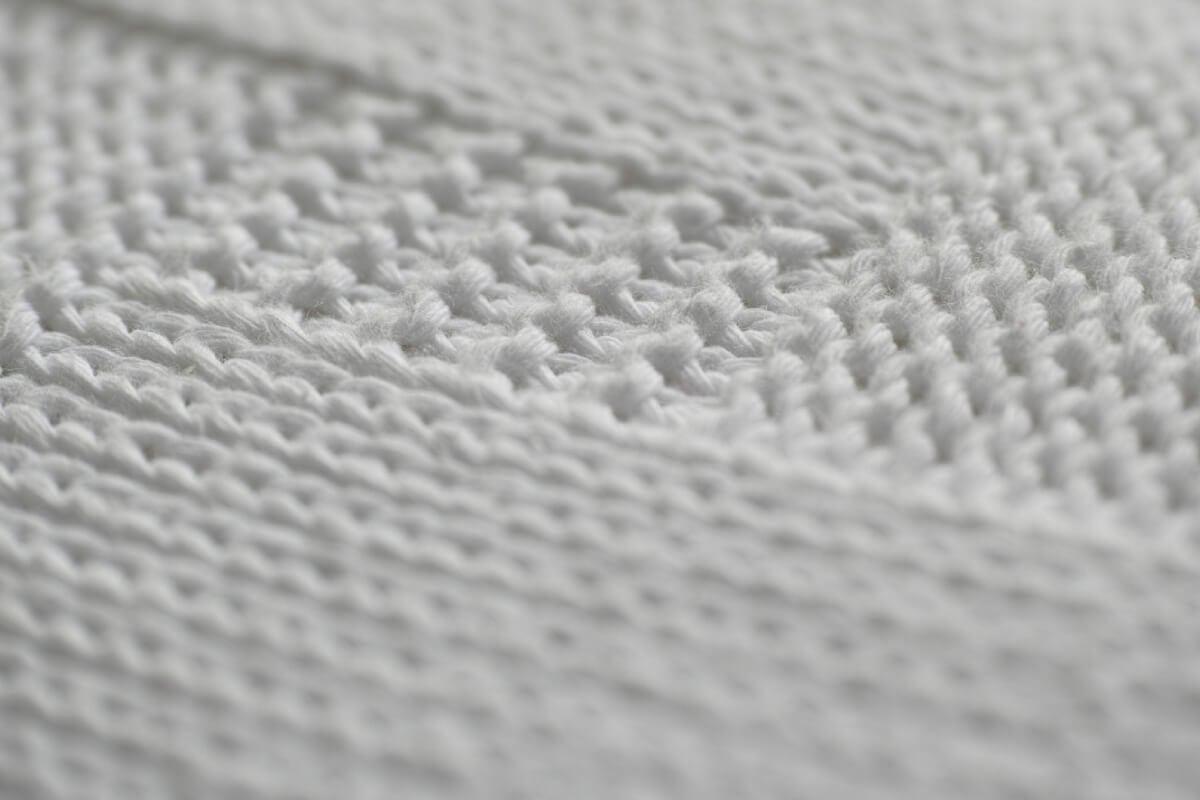
That said, the way these fabrics are constructed can influence their breathability. With cotton, breathability depends on how the fibers are woven (or knitted) together: a looser weave allows for greater breathability, whereas a tight weave reduces it.
Overall, however, linen is more breathable than cotton. Not only is linen typically woven more loosely, but its fibers are also hollower than those of cotton. These hollow fibers facilitate freer air circulation—a key factor in breathability—which is why linen feels cool and airy to wear.
Durability
Both cotton and linen can last a long time if properly cared for. However, both are prone to shrinking, especially during the first wash. Consequently, many cotton fabrics are pre-shrunk and may not shrink further, provided they are washed correctly.
Linen is more prone to shrinkage than cotton and is likely to shrink if not washed properly; it may continue to shrink if care is not taken during washing. While some cotton items can be stretched back to their original size after shrinking, linen is much harder to stretch back.
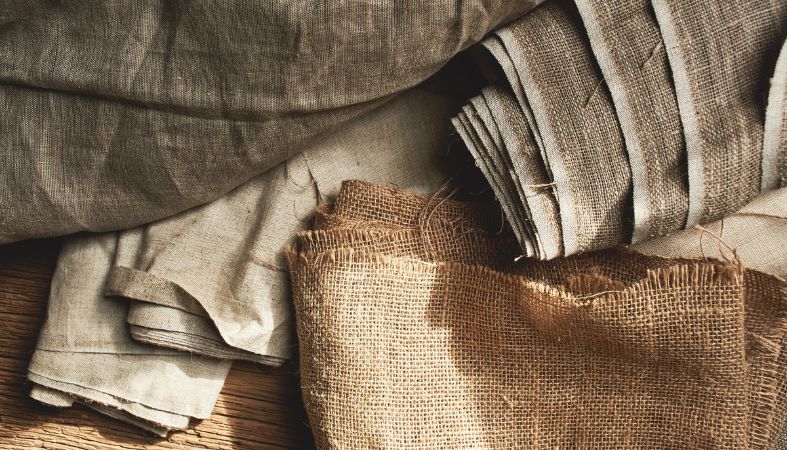
Because linen is generally woven more loosely than cotton, it is more susceptible to tearing or breaking. However, the durability of cotton varies depending on the weave; for instance, muslin is a thinner cotton fabric and less durable than denim, which is a thicker cotton fabric. Overall, however, cotton is more durable than linen.
Heat retention
Neither cotton nor linen is inherently a heavy, insulating fabric, and linen is rarely used for autumn or winter clothing. However, cotton can be warmer than linen, depending on the specific type of cotton fabric. For instance, flannel is made from cotton and is commonly used for button-down shirts and sleepwear during the winter.
Cotton also possesses some insulating properties because its fibers are not hollow and the fabric is less breathable. It can also be manufactured to be thicker and heavier, providing greater warmth.
In contrast, linen is not warm due to its hollow fibers and the way it allows air to circulate. Linen is also lighter and thus less insulating, whereas most cotton fabrics are medium-weight. Therefore, if you are looking for warmth, cotton is the better choice; linen is not ideal for colder months, even when layered.
Weight
Most cotton fabrics are medium-weight, whereas linen is a lightweight fabric. Again, the reason linen is lighter is due to its hollow fibers. Additionally, its loose weave contributes to a lighter feel.
Some cotton fabrics can be lightweight, such as muslin. Others, like denim or heavy cotton, are woven more thickly and tightly. For this reason, cotton is much more versatile; however, if you want your clothing to feel light and airy, linen is the better choice.
Softness
Cotton is generally softer than linen because the fibers are woven more tightly together. That said, certain types of cotton are softer than others; for instance, fabrics made from Pima cotton or varieties like flannel tend to be softer than standard cotton.
Linen does not necessarily have a rough texture, but it is stiffer and more rigid than cotton. This is largely due to its looser weave. While this gives linen a cooler feel, cotton tends to feel better against the skin. Furthermore, due to its texture, linen is also prone to wrinkling slightly more than cotton.
Moisture Absorption
Since both fabrics are worn during warmer months, you want them to absorb sweat and other forms of moisture, such as rain. That said, cotton is not typically considered a moisture-wicking fabric.
Cotton absorbs water readily, which can make it uncomfortable to wear if it gets wet. Because it does not wick moisture away, cotton also takes longer to dry; therefore, it is best to avoid wearing it on days when you might sweat heavily or when you need to go out in the rain.
Unlike cotton, linen offers superior moisture absorption because its fibers are porous and hollow, allowing for better air and water circulation. Linen is a better choice for truly hot days because it is breathable. It does not become saturated easily, though it can still take some time to dry, depending on the moisture level.
Production Costs
Both cotton and linen are affordable compared to other natural fabrics like wool or silk. However, cotton is one of the cheapest fabrics available because it is more abundant and the cotton plant is grown more widely around the world.
That said, some types of cotton fabric can be more expensive than others—especially those made from Egyptian or Supima cotton, which are grown only in specific regions. Additionally, heavier or lighter-weight cotton fabrics may cost more than standard cotton.
Linen is slightly more expensive than cotton because the flax plant used to make it is not as widely cultivated as cotton. Flax grows primarily in temperate climates, and the fabric itself is more difficult to produce since only specific parts of the plant can be used. Production methods also influence the cost, as both flax growers and textile manufacturers need to make a profit.
Applications
As previously mentioned, both cotton and linen are commonly used for warm-weather clothing—garments suitable for spring and summer. While some winter clothing is made from cotton, linen is rarely used for this purpose. However, cotton is more versatile than linen; it can be woven into a wider variety of fabrics and is slightly more durable.
Pros and cons of linen fabric
Linen possesses several excellent qualities, but it also has some drawbacks. One advantage of linen is its high breathability. It is also lightweight and moisture-wicking, making it potentially a better choice for summer wear than cotton; indeed, many people love linen for the cool, airy feeling it provides.

A downside of linen is that it is more expensive than cotton, although it remains cheaper than other natural fabrics. It is also less durable than cotton, as the fibers can easily tear or snap. Additionally, linen is more prone to wrinkling and shrinking than cotton. Therefore, it is best to air-dry linen to avoid these issues, as using a dryer can cause both wrinkling and shrinkage.
Advantages and disadvantages of cotton
Now that you have explored the key characteristics of cotton fabric, let’s consider its pros and cons. To start with, cotton is very affordable and versatile. It can be used for virtually any sewing project imaginable and is suitable for a wide range of clothing. It is also slightly warmer and softer than linen.

However, cotton isn't the perfect solution for everything. It is less breathable than linen and does not wick moisture as effectively. Cotton is also prone to shrinking, though this is easily managed with proper washing. It can also wrinkle easily, but if you remove it from the dryer promptly and hang or fold it, you can minimize the wrinkling.
Linen vs. cotton: which is the better choice for you?
Now that you know the differences between cotton and linen, which is the better choice? It simply depends on the type of clothing you want to make or buy and the qualities you are looking for in a fabric.
If you prefer a fabric that is easier to care for, warmer, softer, and more affordable, then cotton is the better option. If you prioritize breathability, lightness, and superior moisture-wicking capabilities, then linen is the better choice—even though it is more expensive and requires more care.
Whichever you choose, premium menswear brand Celidior hopes this guide has made your decision a little easier. If you enjoyed this article or found it helpful, please share it with others and let me know in the comments section. Thanks for reading!


Door Celi Dior
Laat een reactie achter
Deze site wordt beschermd door hCaptcha en het privacybeleid en de servicevoorwaarden van hCaptcha zijn van toepassing.