

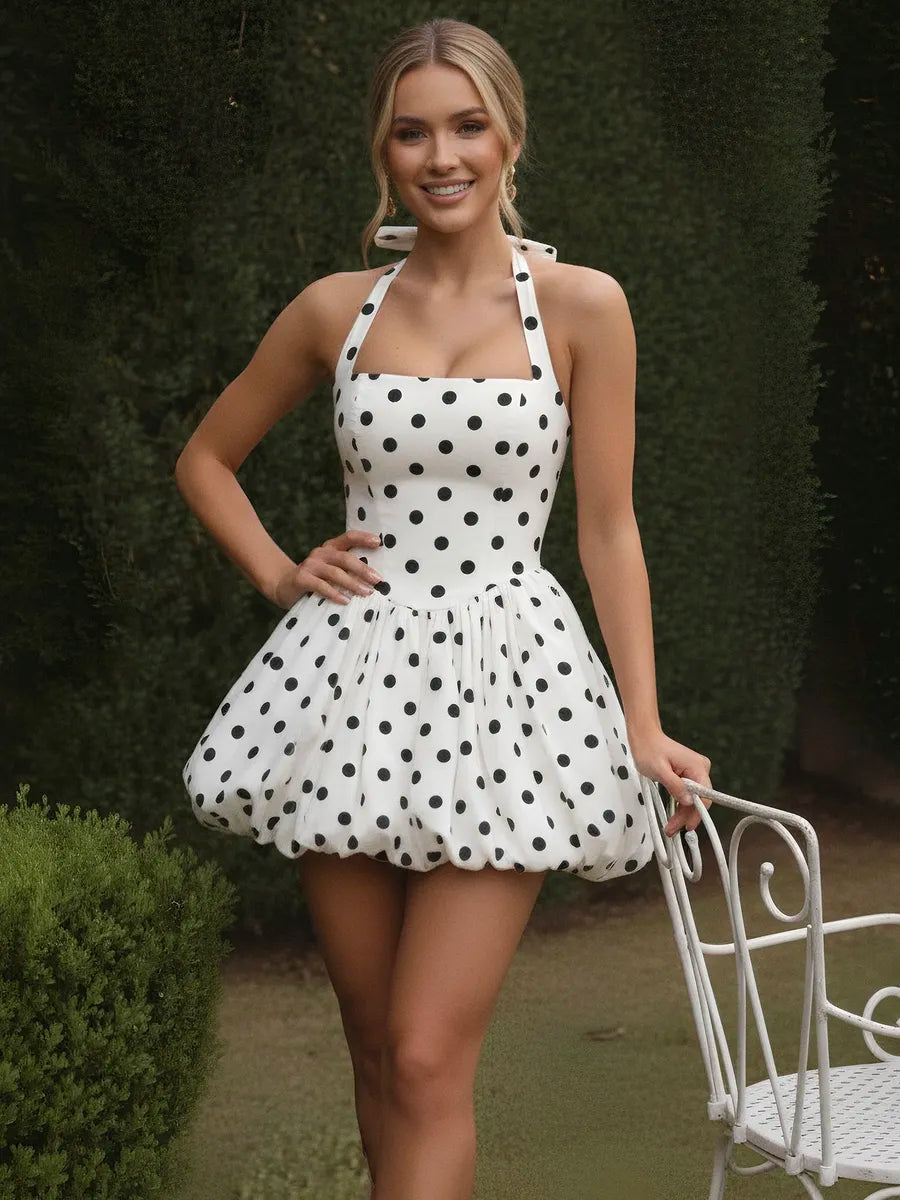
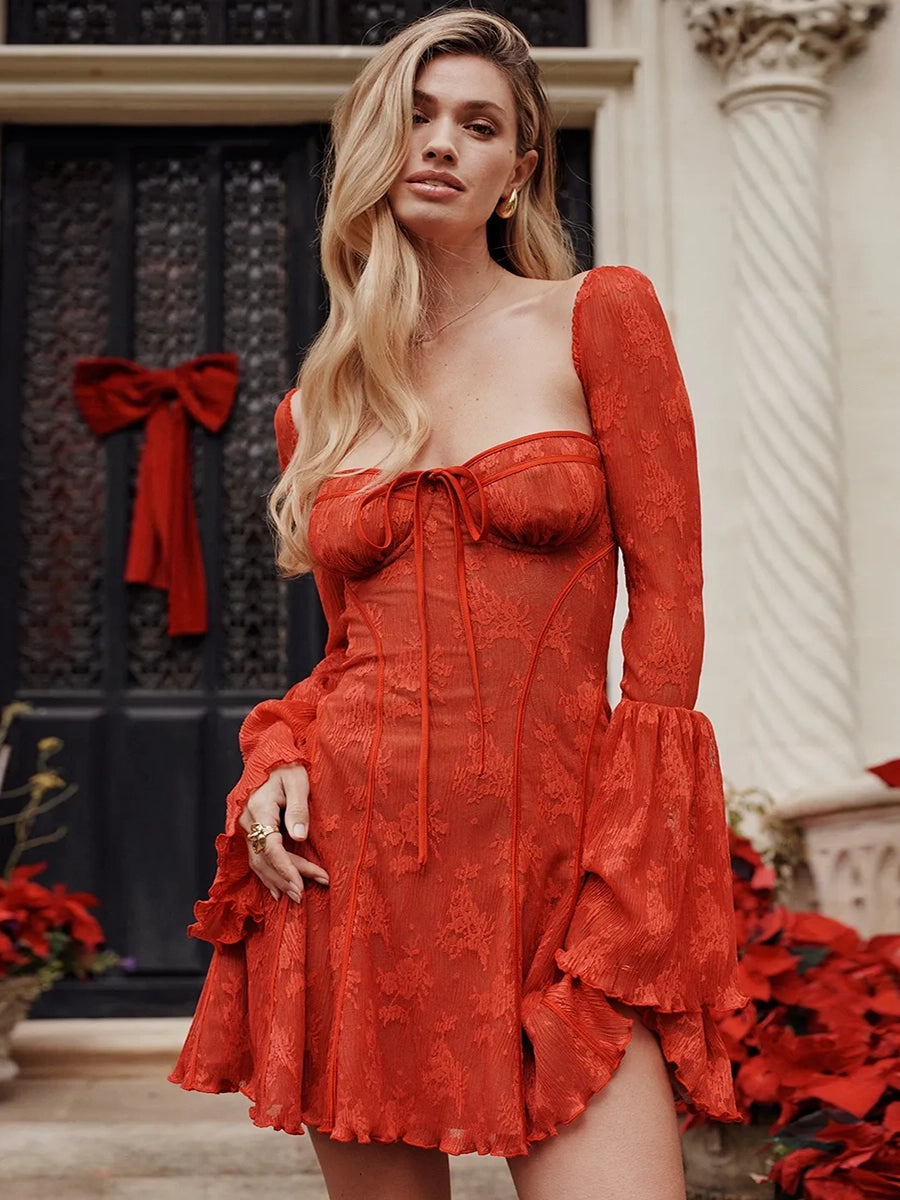
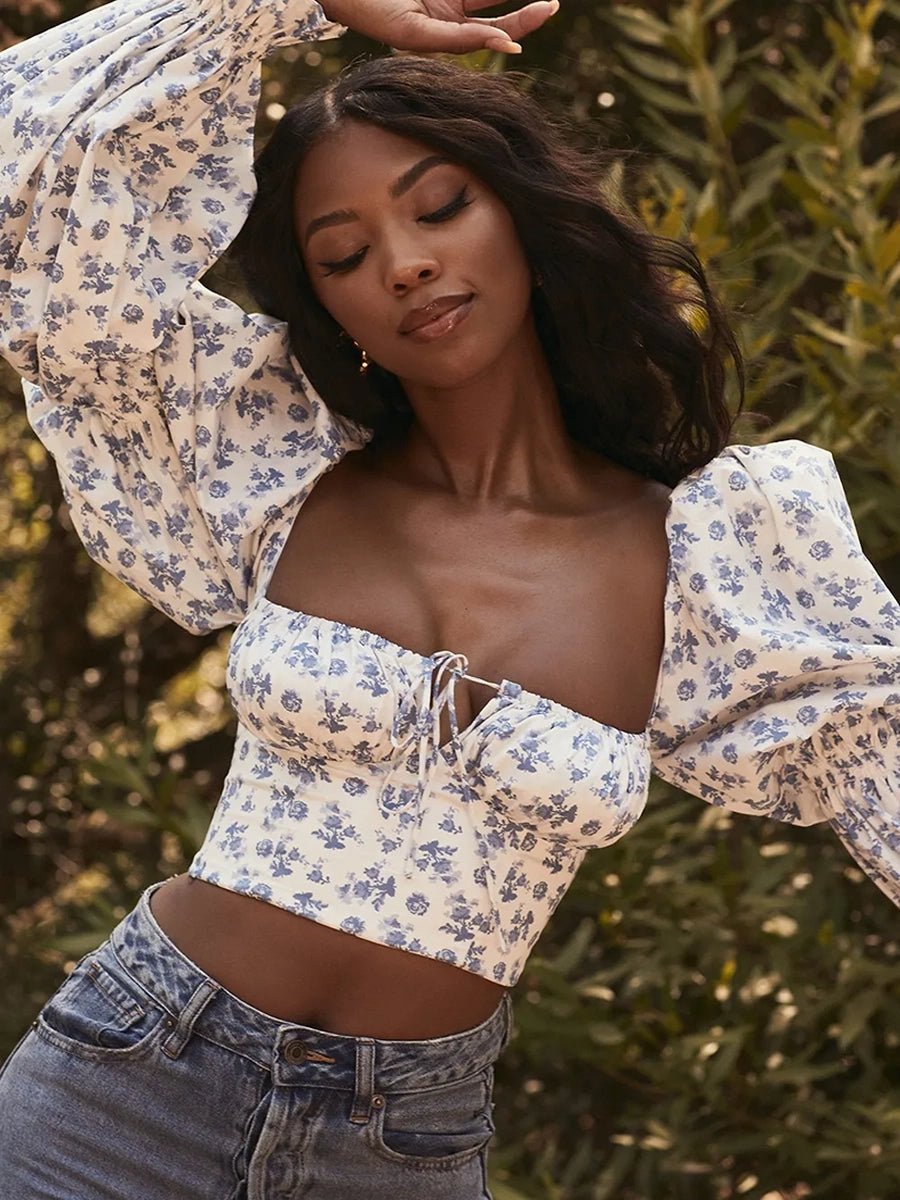
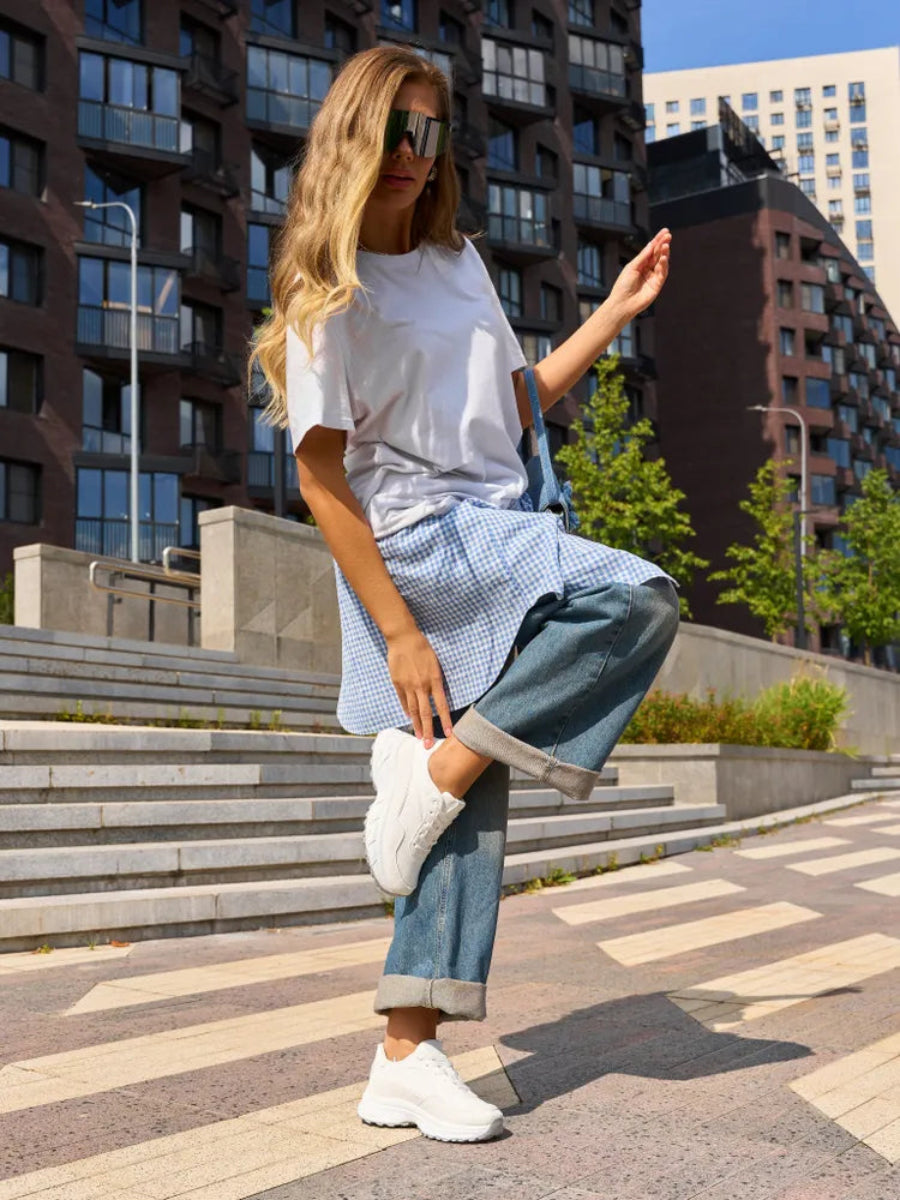
Fabrics in fashion: Characteristics, applications, and how to choose them.
Fashion and fabrics always go hand in hand. Knowing the different fabric types can transform your wardrobe choices. Understanding fabrics is key to choosing outfits that are both comfortable and fashionable. This article from Celidior explores popular fashion fabrics in detail. It will help you become a more informed consumer.
- 1. These are the most common types of fabrics used in everyday clothing.
- 2. High-quality, traditional, and luxurious natural fabrics.
- 3. Semi-natural fabrics (cellulose regenerated from wood, bamboo, sugarcane, etc.)
- 4. Modern synthetic fabrics
- 5. Specialized fabrics, with specific applications.
- 6. Suggestions for choosing fabric materials according to your needs.
- 7. FAQ – Quick Answers about Fabric Types
- 8. Conclude
These are the most common types of fabrics used in everyday clothing.
Cotton fabric (100% cotton)
Cotton fabric is a popular "national" material favored worldwide. It is produced from 100% natural cotton fibers. It may also be blended with synthetic fibers such as polyester to increase durability. With softness, breathability, and excellent sweat absorption, cotton provides maximum comfort and ease. It is also safe for sensitive skin. In addition, this fabric is easy to dye. It has effective abrasion and dust-repellent properties.
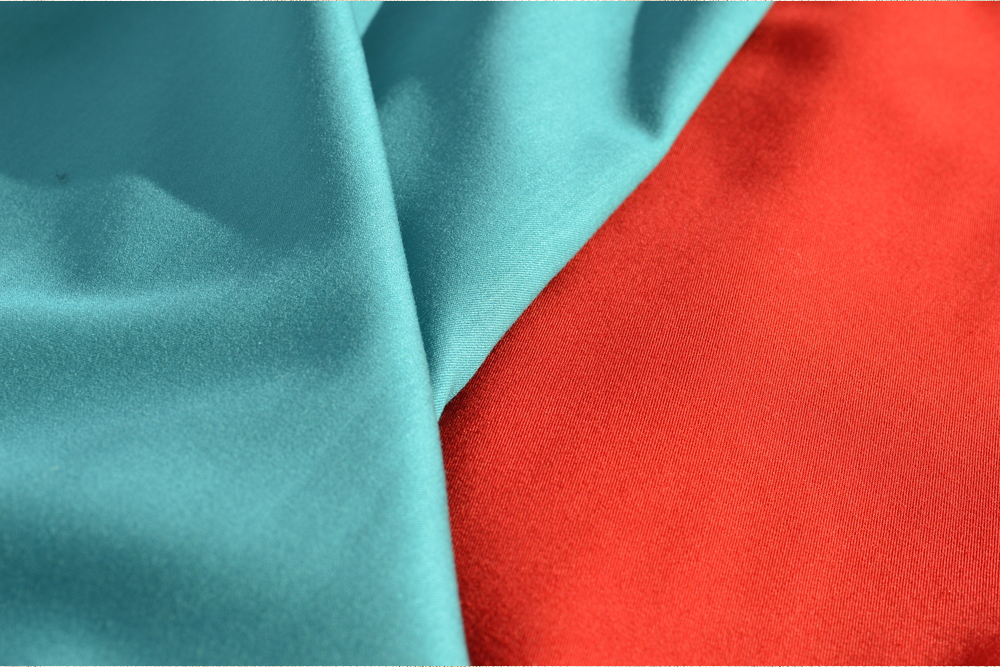
Advantages:
- Absorbs sweat, breathable.
- Skin-friendly, less irritating.
- Easy to dye, colorfast.
- High durability, can be washed many times.
Disadvantages:
- Wrinkles easily, requires ironing.
- May shrink slightly.
- Higher cost than some synthetic fabrics.
Applications: This material is widely used to make t-shirts, shirts, shorts, pajamas, and children's clothing. It is favored due to its superior comfort. In addition, cotton fabric is indispensable for household products such as towels and bedding. These uses come from its high absorbency and durability.

PE (Polyester) fabric
Made from synthetic fibers, polyester (PE) fabric is widely used today. Unlike natural fabrics, polyester has superior wrinkle resistance. It maintains its shape well and is particularly colorfast, keeping garments looking new. With its reasonable price and large production volume, this fabric is very economical. It is used for many products, from sportswear to office wear.
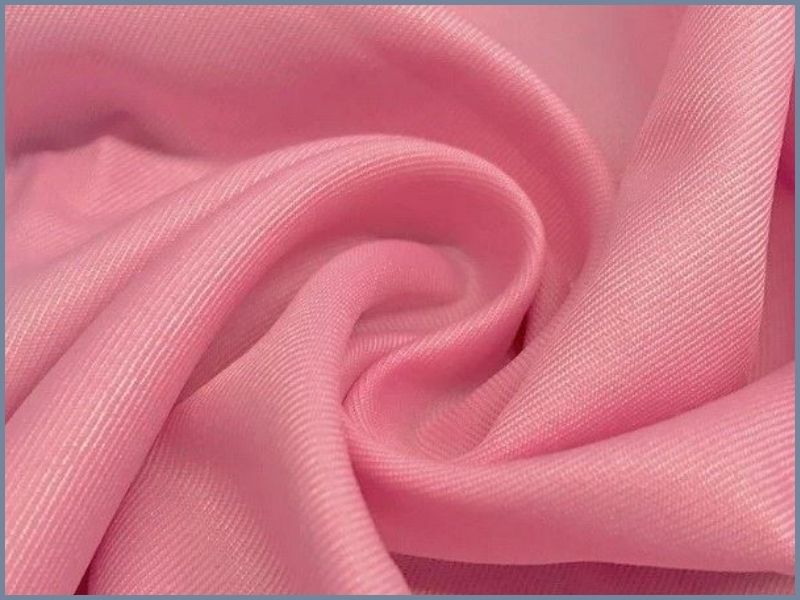
Advantages:
- High durability, wrinkle-resistant, quick-drying.
- Good color retention, minimal fading.
- Low cost.
- Easy to maintain, requires little care.
Disadvantages:
- Poor breathability, can cause overheating.
- Not environmentally friendly if not recycled.
- May cause skin irritation for sensitive individuals.
Applications: This material is commonly used for making inexpensive t-shirts, sportswear, and uniforms. In addition, PE fabric is ideal for products requiring water resistance and high durability, such as raincoats, suitcases, and backpacks. It is also used for household items like curtains and pillowcases.
Kate fabric (Cotton blend Polyester)
Kate fabric is a blend of natural cotton and synthetic polyester. It inherits the advantages of both materials. These include the softness and breathability of cotton, plus the durability of polyester. It also offers wrinkle resistance and shape retention from polyester. This combination makes it ideal for garments that require comfort and structure. It helps outfits maintain a professional look.
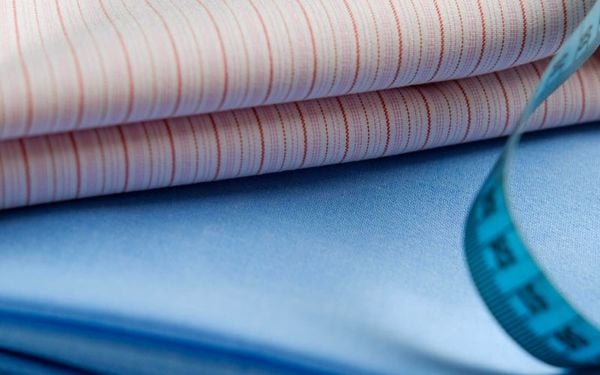
Advantages:
- Less prone to wrinkling than pure cotton.
- Colorfast, easy to wash, and easy to maintain.
- Reasonable price.
Disadvantages:
- Less breathable than 100% cotton.
- May feel hot in summer.
Applications: Kate fabric is widely used for making shirts, dresses, school uniforms, and office uniforms. It provides a neat and comfortable look for the wearer.
Denim fabric
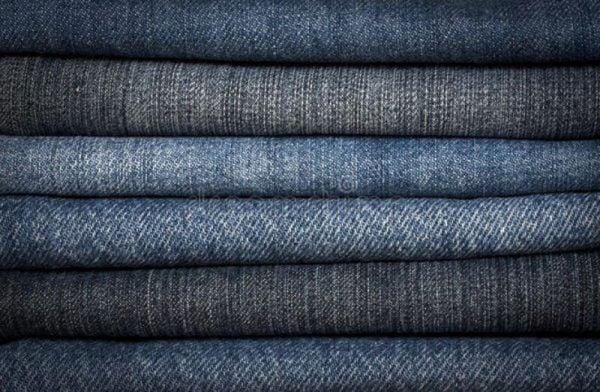
Denim is a distinctive twill-weave cotton fabric, known for its rough, thick texture and exceptional durability. Previously, it was typically dyed indigo blue, but now denim is more diverse with many different colors and washes. Its sturdy construction and rugged style make denim an indispensable material for casual clothing, especially jeans and jackets.
Advantages:
- Durable, tear-resistant, maintains shape well.
- Can be styled (ripped, washed, dyed).
- Suitable for street fashion and youthful styles.
Disadvantages:
- Heavy, poor breathability.
- Difficult to wash and takes a long time to dry.
Applications: Denim (or Jean fabric) is a classic material in the fashion industry. It is widely used to make jeans, jackets, and dresses. It also appears in stylish accessories like handbags and shoes.
Canvas
Canvas fabric is a special woven fabric made from cotton or blended fibers, notable for its impressive thickness and durability. The fabric surface has a rough, slightly textured feel, creating a sturdy and strong material. Because of these characteristics, canvas is widely used in the manufacture of handbags, shoes, tarpaulins, and even artwork.

Advantages:
- Durable and abrasion-resistant.
- Good tensile strength, less prone to tearing.
- Environmentally friendly if woven from cotton.
Disadvantages:
- Slightly rough surface, may cause discomfort if in direct contact with skin.
- Difficult to clean, easily attracts dust.
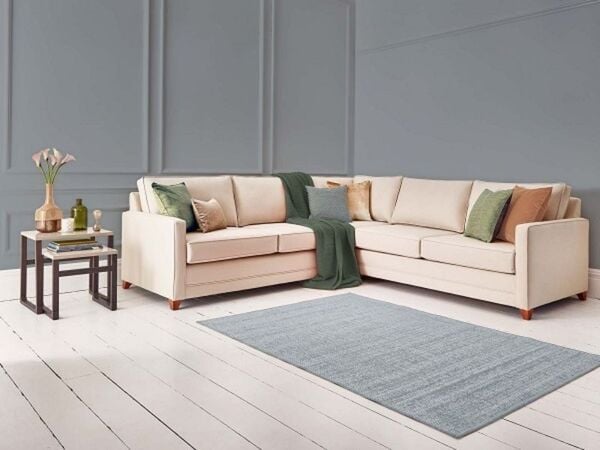
Applications: Canvas fabric is commonly used to manufacture tote bags, backpacks, and canvas shoes due to its durability. In addition, canvas fabric is a top choice for decorative and protective products. It is widely used for curtains, tarpaulins, pillowcases, and sofa covers.
Felt fabric
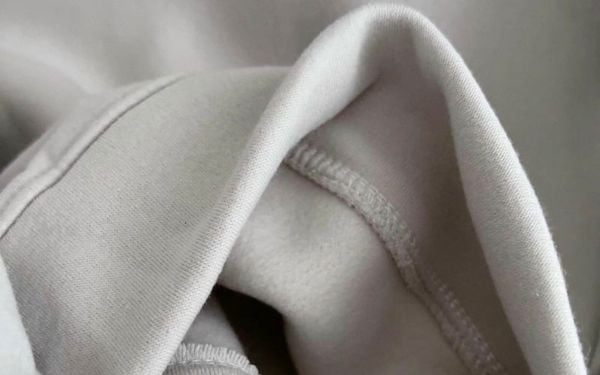
Felt is a fabric with a special structure, made from wool or synthetic fibers. The surface is covered with short, fine fibers. This creates a soft and pleasant feel to the touch. With superior heat retention, felt is ideal for winter products. It is used for coats, blankets, pillows, and decorative items.
Advantages:
- Provides good body warmth.
- Soft and comfortable.
- Available in many colors and styles.
Disadvantages:
- Hot and stuffy.
- Quickly attracts dust and gets dirty easily.
- Not breathable.
Applications: With its thick, soft, and warm properties, fleece fabric suits products that need to retain heat. This material is widely used to make jackets, blankets, and pillows. It is also used for handmade items or stuffed animals.
Parachute fabric
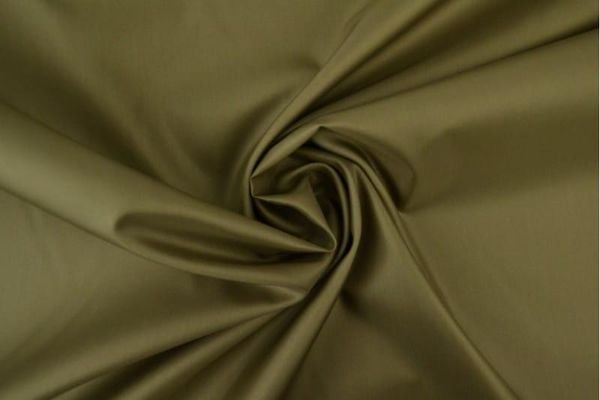
Parachute fabric is a synthetic fabric made from polyester or nylon. It is notable for its tight weave and water resistance. With its lightweight, durable, and waterproof properties, parachute fabric performs very well outdoors. It is often coated with PU or PVC to enhance water resistance. This makes it ideal for products such as jackets, tents, and umbrellas.
Advantages:
- Waterproof and windproof.
- Durable and tear-resistant.
- Lightweight and easy to fold.
Disadvantages:
- Not breathable.
- Can be hot and stuffy to wear.
Applications: Nylon fabric is commonly used to manufacture raincoats, tents, backpacks, travel bags, and windbreakers. It provides maximum protection against many weather conditions.
Oxford fabric
Oxford fabric is a special woven fabric made from a blend of cotton and synthetic fibers. It is distinguished by its characteristic basket weave. Thanks to this structure, Oxford fabric has a smooth, slightly glossy surface. It offers both a sophisticated look and comfort. It is an ideal choice for shirts and business attire. The fabric blends style and practicality effectively.

Advantages:
- Durable, wrinkle-resistant.
- Moderately breathable.
- Maintains shape well.
Disadvantages:
- Not as soft as 100% cotton.
- Less absorbent than cotton.
Applications: Oxford fabric is commonly used to make office wear such as shirts, dresses, and trousers. It provides a formal and structured look. In addition, Oxford fabric is a top choice for products requiring high durability, such as shoes and backpacks.
High-quality, traditional, and luxurious natural fabrics.
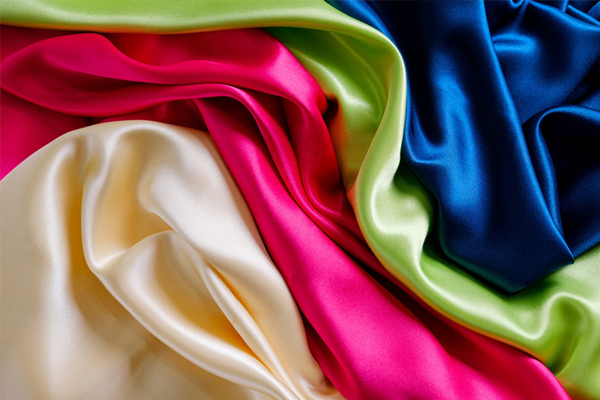
Silk fabric
Silk is a high-end fabric woven entirely from silkworm threads. It is distinguished by a smooth, subtly lustrous surface and soft feel. Silk has long been considered a symbol of luxury and sophistication. Natural silk offers a superior sense of class and elegance. Industrially produced silks are more economical. They still retain much of silk's inherent beauty.
Advantages:
- Luxurious, soft, lightweight, and breathable.
- Keeps you warm in winter and cool in summer.
- Safe and gentle on sensitive skin.
- Colors are vibrant and have a natural sheen.
Disadvantages:
- High cost.
- Difficult to care for, easily wrinkled, and easily damaged if washed incorrectly.
- Sensitive to light, sweat, and mold.
Applications: With its luxurious and soft appearance, silk is ideal for high-end garments. Examples include ao dai (traditional Vietnamese dress), wedding dresses, and evening gowns. Additionally, silk is used for bed linens and curtains. It adds sophistication and elegance to living spaces.
Natural silk
Natural Silk is a precious fiber spun directly from silkworm cocoons. Unlike industrial silk, silk possesses a handcrafted, traditional beauty, clearly reflecting cultural values. Silk fibers have a naturally subtle sheen, are soft, durable, and strong. In particular, handcrafted silk often features unique grain patterns, creating a rustic yet elegant appearance.

Advantages:
- 100% natural material, skin-friendly.
- High durability, naturally tough.
- Aesthetic appeal: unique and sophisticated fiber patterns.
Disadvantages:
- Difficult to produce, labor-intensive, limited quantity → high price.
- Easily wrinkled and damaged if exposed to strong chemicals.
- Requires very careful washing and storage.
Applications: Silk is ideal for creating high-end garments such as ao dai, robes, and silk scarves. In addition, silk products are popular traditional souvenirs. They showcase sophistication and class.
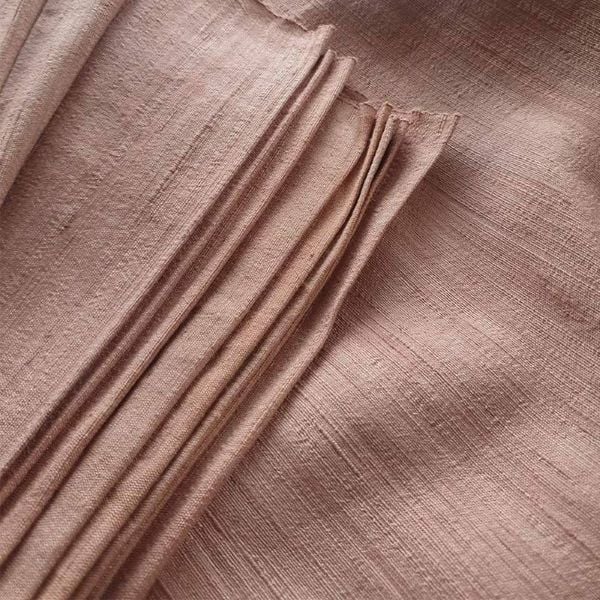
Tussar Silk Fabric
Tussar Silk Fabric is woven from the natural silk threads of silkworms, possessing a rustic and simple beauty. Unlike traditional silk, dupioni silk has a slightly rough surface, large thread patterns, and high porosity. Therefore, this type of fabric is extremely breathable, creating a comfortable and natural feeling when worn.
Advantages:
- Very breathable and absorbent.
- Lightweight, easy to wear, and comfortable.
- Natural, bohemian style, suitable for street fashion and travel.
Disadvantages:
- Easily wrinkles.
- Rougher texture than silk.
- Requires careful storage to prevent mold.
Applications: Thanks to its rustic and breathable properties, dupioni silk is an ideal material for summer fashion. It is often used to make street wear, beachwear such as light tops and dresses, and even handicrafts.
Linen fabric
Linen, also known as flax fabric, is one of the oldest natural fabrics, woven from flax fibers. Distinguished by its slightly rough surface, linen offers a cool and comfortable feel. This fabric is not only durable but also offers good sun protection, making it ideal for summer clothing.

Advantages:
- Excellent sweat absorption and breathability.
- Durable and resistant to heat.
- Cool and comfortable to wear in summer.
- Natural and minimalist style.
Disadvantages:
- Wrinkles easily.
- Crother than cotton, less soft.
- Requires dry storage and protection from moisture.
Applications: Linen is a top choice for summer clothing such as dresses and shirts. Additionally, linen is widely used in household products such as tablecloths, curtains, and bed linens. It offers a natural and classic look.
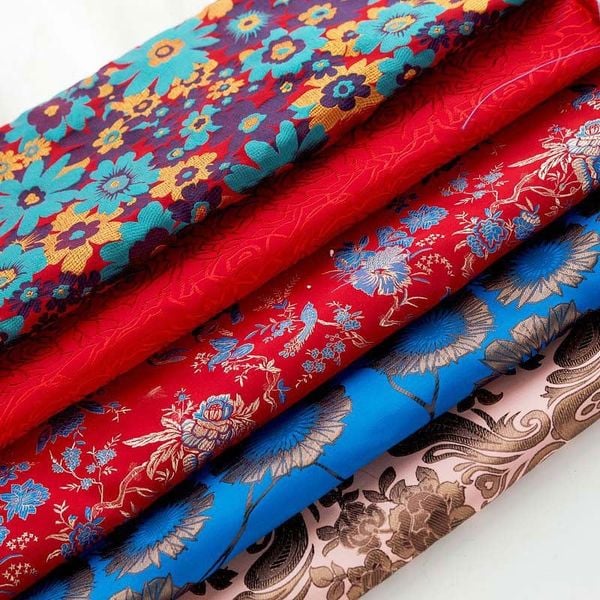
Brocade Fabric
This is a unique handcrafted fabric, distinguished by its raised patterns created directly during the weaving process. Brocade fabric has a luxurious, glossy surface, is thick and heavy to the touch. Thanks to its exquisite appearance, brocade is often considered a symbol of nobility and class.
Advantages:
- Luxurious and classy.
- Unique patterns showcasing exquisite craftsmanship.
- High colorfastness.
Disadvantages:
- Thick, heavy, and hot.
- High price.
- Difficult to maintain, easily fades if exposed to sunlight.
Applications: Brocade fabric is preferred for creating high-class traditional garments such as ao dai and wedding dresses. In addition, the elegance of brocade appears in high-end interior products such as curtains, sofas, and fashion accessories. These products showcase class and sophistication.
Velvet Fabric
Velvet is a distinctive fabric with a surface covered in short, fine fibers. This gives it a soft and luxurious feel. The fabric has a slight sheen, is quite thick, and retains heat well. It is a perfect choice for winter clothing and high-end decorative items.

Advantages:
- Very luxurious and beautiful.
- Provides good warmth, suitable for cold weather.
- Soft and pleasant to the touch.
Disadvantages:
- Difficult to wash, easily attracts dust.
- Easily scratched and damaged.
- Not suitable for hot weather.
Applications: Velvet is widely used to make evening gowns, coats, and vests. The elegance of velvet also appears in furniture items such as sofas and curtains. Accessories like shoes and bags often use velvet, bringing a classic and classy look.
Tweed fabric
If you love classic and elegant styles, you've undoubtedly heard of tweed. This distinctive Scottish wool fabric has a slightly rough and thick texture, offering warmth and durability. What makes tweed special is its sophisticated blend of various colored threads, creating unique and unmistakable patterns.

Advantages:
- Warm and retains heat well.
- Durable and sturdy.
- Classic and elegant style.
Disadvantages:
- Heavy, hot, and unsuitable for tropical climates.
- Picky and can cause itching for sensitive skin.
Applications: Thanks to its classic and elegant appearance, tweed fabric is commonly used to make jackets, suits, and office dresses. This fabric is a perfect choice for vintage and retro styles, offering warmth and sophistication.
Jacquard Fabric
Jacquard fabric is a type of fabric with raised patterns woven directly using the jacquard technique. It offers a sophisticated and unique look, different from embroidery or printing. Thanks to this special weaving technique, the patterns are intricate and have depth. They create an impressive three-dimensional effect. Jacquard is usually woven from cotton, silk, or synthetic fibers. It brings a luxurious and classy look to clothing.

Advantages:
- Elegant, sharp patterns.
- High colorfastness, does not peel like printed fabrics.
- Versatile applications.
Disadvantages:
- High cost.
- Fabric is often thick and heavy.
- Difficult to wash, requires careful handling.
Applications: Jacquard fabric is ideal for traditional garments such as the ao dai (Vietnamese traditional dress). It is also used for high-end designs such as evening gowns and suits. The fabric is widely used in interior decoration, from curtains to bed linens.
Semi-natural fabrics (cellulose regenerated from wood, bamboo, sugarcane, etc.)
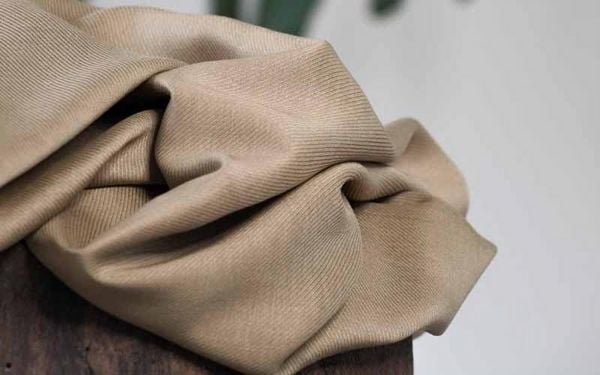
Viscose (Rayon) fabric
If you love the softness of silk but want a more economical option, try viscose, also known as rayon. Made from wood or bamboo pulp, viscose is a semi-natural fabric with a slightly glossy surface, softness, and good absorbency. Therefore, it is often used as a silk alternative, offering comfort and a sophisticated look.
Advantages:
- Soft, breathable, and highly absorbent.
- Easy to dye, available in a wide variety of colors.
- Affordable and accessible.
Disadvantages:
- Easily wrinkles and shrinks when washed.
- The production process consumes a lot of water and chemicals.
- Less durable than cotton.
Applications: Viscose is widely used in affordable fashion. The fabric is commonly used to make shirts, dresses, and sleepwear. In addition, viscose is also a popular choice for bedding products in the mid-price range.
Modal fabric
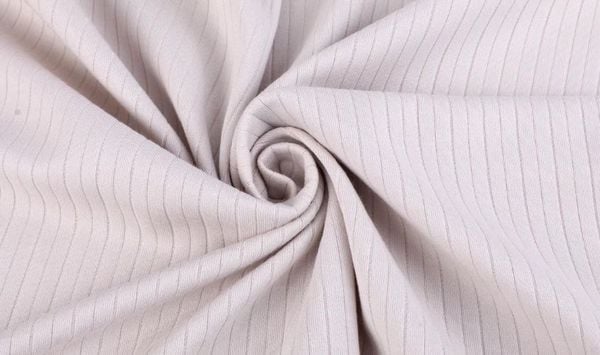
Modal fabric is a premium variant of Rayon, produced from the cellulose of beech trees. It is distinguished by softness, lightness, and breathability, even better than cotton. Modal also has a beautiful natural drape. It provides a comfortable and sophisticated feel for the wearer.
Advantages:
- Super soft and smooth like silk.
- Excellent color retention, minimal fading.
- Good absorbency and breathability.
- Less wrinkling and shrinkage than viscose.
Disadvantages:
- More expensive than regular cotton.
- Requires gentle care and should be kept away from high temperatures.
Applications: Modal fabric is used in high-end products such as lingerie, sleepwear, and premium t-shirts. It is also an ideal choice for bed sheets and pillowcases, providing a luxurious and comfortable feel.
Tencel (Lyocell) fabric
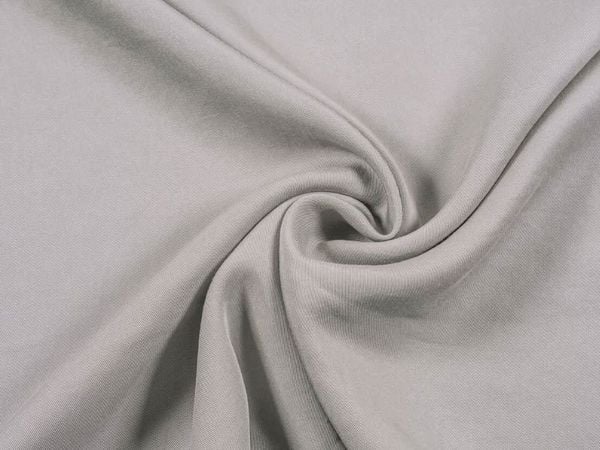
Introducing Tencel, also known as Lyocell, a premium bio-based fabric. It is made from cellulose derived from eucalyptus, bamboo, or oak wood pulp. Tencel is produced using a closed-loop process, which is very environmentally friendly. It has a soft, smooth, and breathable surface. Notably, it possesses natural antibacterial properties.
Advantages:
- Environmentally friendly, nearly 100% solvent recyclability.
- Soft, breathable, and highly absorbent.
- Less wrinkling, less shrinkage, and more durable than viscose.
- Good antibacterial and odor-resistant properties.
Disadvantages:
- High cost.
- Requires gentle washing and avoiding strong detergents.
Applications: Tencel is a popular material for high-end products such as dresses, shirts, and traditional Vietnamese ao dai. The fabric is also widely used in lingerie and sportswear. It is especially common in bed linens and hotel sheets. Its antibacterial properties and high durability are strong advantages.
Bamboo fabric (Made from bamboo fibers)
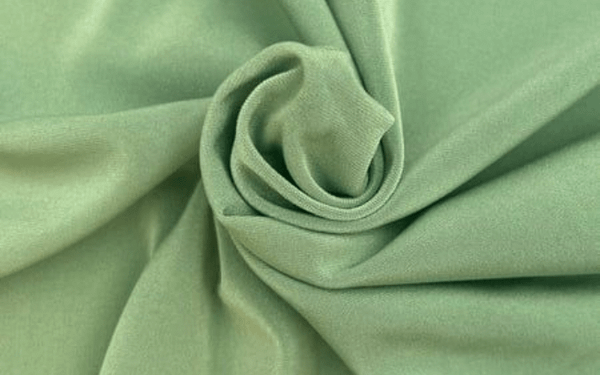
Bamboo fabric is a type of bamboo fiber fabric, extracted from the cellulose of mature bamboo plants. Distinguished by its softness, breathability, and superior sweat-wicking properties, bamboo is the perfect choice for those who love comfort. Furthermore, the fabric is UV-resistant, wrinkle-resistant, and especially environmentally friendly, making it widely used in both fashion and furniture.
Advantages:
- Environmentally friendly (bamboo grows quickly, requires little water).
- Soft, breathable, and highly absorbent.
- Antibacterial, odor-resistant, and UV-resistant.
- Safe for sensitive skin and children.
Disadvantages:
- Relatively high cost.
- Some production processes still use chemicals, so choosing a reputable brand is necessary.
- More prone to wrinkling than cotton.
Applications: Bamboo fabric is a top choice for high-end products such as fashion clothing, lingerie, and sleepwear. It is also widely used in children's products, sportswear, and high-end bedding.

Modern synthetic fabrics
Nylon fabric
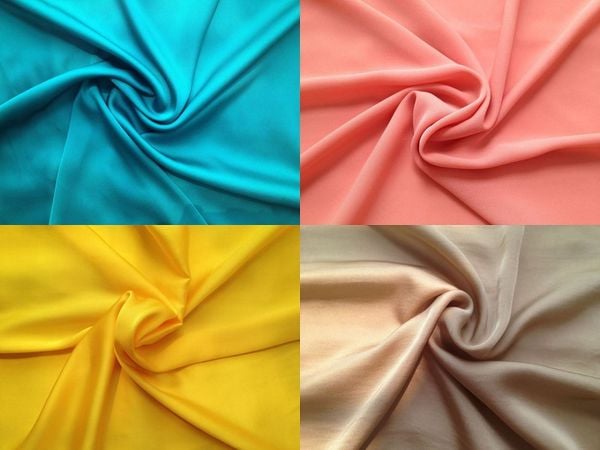
Nylon, also known as polyamide, is a strong and highly elastic synthetic fiber. Created from crude oil through complex chemical reactions, nylon was the world's first laboratory-produced fabric. It is notable for superior durability and elasticity.
Advantages:
- Durable, tear-resistant.
- Waterproof and windproof.
- Quick-drying, easy to maintain.
- Reasonable price.
Disadvantages:
- Poor breathability, can cause overheating.
- Not environmentally friendly.
- May irritate sensitive skin.
Applications: With its lightweight, durable, and waterproof properties, nylon is ideal for outdoor products such as windbreakers, raincoats, and tents. The fabric is also widely used in backpacks and travel bags. It often serves as lining for jackets or furniture.
Spandex (Elastane / Lycra) fabric
Spandex, also known as Lycra or Elastane, is a synthetic fiber with superior elasticity. It was created as a replacement for rubber. Spandex is renowned for impressive stretchability, capable of stretching 5-8 times its original size. Because of this property, Spandex is often not used in pure form. It is blended with other fibers to increase elasticity. This results in clothing that is more form-fitting and comfortable.

Advantages:
- Excellent elasticity, hugs the body closely.
- Maintains shape well, doesn't sag after multiple washes.
- Colorfast, lightweight, and quick-drying.
- Some types are breathable, comfortable during exercise.
Disadvantages:
- Does not absorb moisture as well as cotton.
- Can deform if stretched excessively.
- Sensitive to heat and strong detergents.
Applications: Spandex fabric is commonly used to make leggings, gym wear, swimwear, and underwear. It is also a top choice for athletic uniforms. Some furniture products, such as upholstered chairs, also use Spandex where durability and elasticity are required.
Satin fabric
Satin fabric is renowned for its smooth, glossy surface, created using a satin weave technique. This technique lets warp and weft threads interweave tightly. The result is a shimmering and soft surface. Originally, satin was woven from silk and cotton. Today, synthetic fibers such as polyester and viscose are also used to create this fabric.

Advantages:
- Smooth, beautiful, and luxurious finish.
- High durability and good color retention.
- Soft and breathable.
Disadvantages:
- Easily stained.
- May be slippery when used in garment making.
- Requires gentle washing and protection from direct sunlight.
Applications: With its smooth, glossy surface and luxurious appearance, satin is ideal for evening wear. Examples include wedding dresses, evening gowns, and blouses. The fabric is also widely used in high-end home furnishings such as bed linens and pillows. It adds sophistication to living spaces.
Organza fabric
Organza, also known as raw silk fabric, is a thin, soft, and see-through plain-woven fabric. Once made from silk, it was very expensive. Today, organza is produced from synthetic fibers such as polyester or nylon. While cheaper, these synthetic fabrics are stiffer and more see-through.

Advantages:
- Lightweight and breathable.
- Elegant and structured.
- Available in a wide range of colors, easy to decorate.
Disadvantages:
- Easily wrinkled and torn.
- Requires careful handling and gentle washing.
Applications: Organza fabric is often used for designs requiring volume and splendor. Examples include wedding dresses or party gowns. It is also a top choice for performance costumes. Organza appears in interior and stage decoration, creating a light and impressive look.
Taffeta fabric
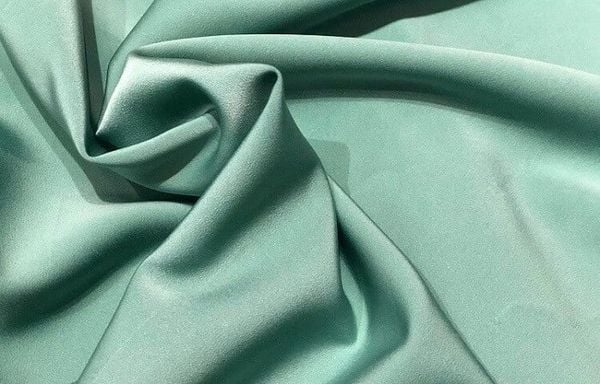
Tafta, also known as Taffeta, is a high-quality woven fabric. It is renowned for its smooth, soft surface and lustrous sheen. This synthetic fabric is made from polyester or nylon. It has a smooth texture and natural stiffness, helping garments maintain shape while exuding elegance.
Advantages:
- Sturdy, holds its shape well.
- Beautiful sheen, creates a light-reflecting effect.
- High durability.
Disadvantages:
- Easily wrinkles.
- Not breathable.
- Requires careful handling.
Applications: Tafta is popular for garments that require volume and shape retention, such as wedding dresses, evening gowns, and cloaks. It is also a top choice for stage costumes and interior decoration. The fabric provides a glamorous and luxurious appearance.
Snow Rain Fabric
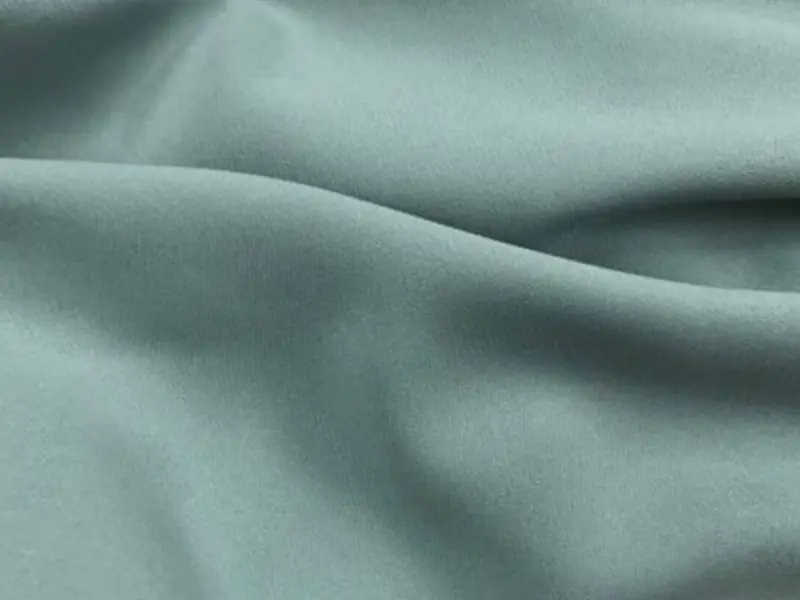
Rainy-day fabric is a synthetic blend of polyester, viscose, and spandex. It has a soft, moderately thick surface and minimal wrinkling. The fabric also offers slight stretch. Rainy-day fabric is also known as Ponte di Roma knit. The name reflects its fiber structure, similar to arches in Rome. Thanks to durability and good shape retention, it is popular for office wear.
Advantages:
- Holds its shape well.
- Wrinkles less, easy to iron.
- Colorfast, fairly absorbent.
Disadvantages:
- Not very breathable.
- More expensive than regular polyester.
Applications: Raincoat fabric is commonly used to make women's vests, office dresses, trousers, and skirts. It provides an elegant and professional look while ensuring comfort during work.
Umi fabric
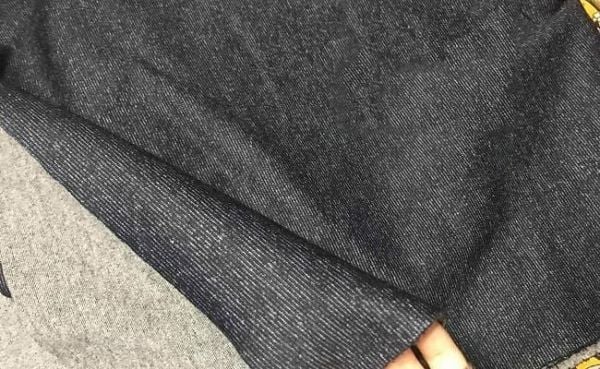
Umi fabric is a semi-synthetic fabric woven from artificial fibers and natural fibers from bamboo or rattan. As a result, the fabric is soft, lightweight, breathable, and skin-friendly. It is also highly absorbent. Created as a replacement for expensive silk, Umi quickly became a favorite. Many fashion brands value its ease of styling and wrinkle resistance. It is especially suitable for the Vietnamese climate.
Advantages:
- Elegant and structured.
- Less prone to wrinkling, easy to care for.
- Comfortable to wear.
Disadvantages:
- Average breathability.
- Not yet widely available in the international market.
Applications: Umi fabric is commonly used to make skirts, dresses, trousers, and shirts. It provides comfort and an elegant look for the wearer.
Mango fabric
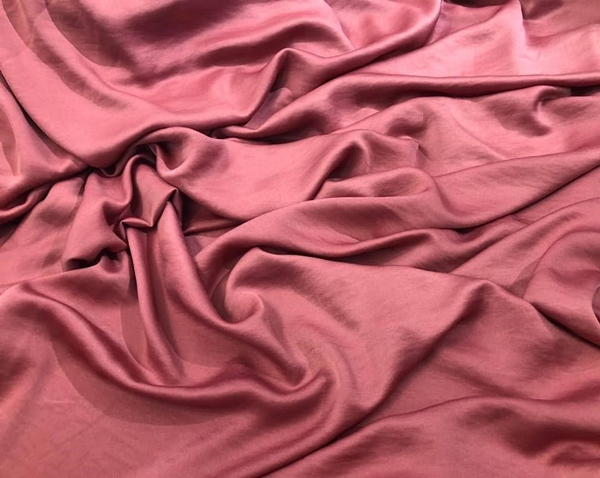
Mango fabric is a synthetic blend of polyester (19%) and spandex (10%). It has a soft, smooth surface and natural drape. Mango fabric has moderate thickness while still providing comfort. It offers good sweat absorption, making it very popular among young people.
Advantages:
- Soft, lightweight, and easy to wear.
- Resistant to wrinkles and maintains its shape well.
- Suitable for feminine styles.
Disadvantages:
- Not as breathable as natural fabrics.
- More expensive than umi fabric.
Applications: Mango fabric is commonly used to make dresses, skirts, and office wear. It provides an elegant and comfortable look for the wearer.
Twill fabric
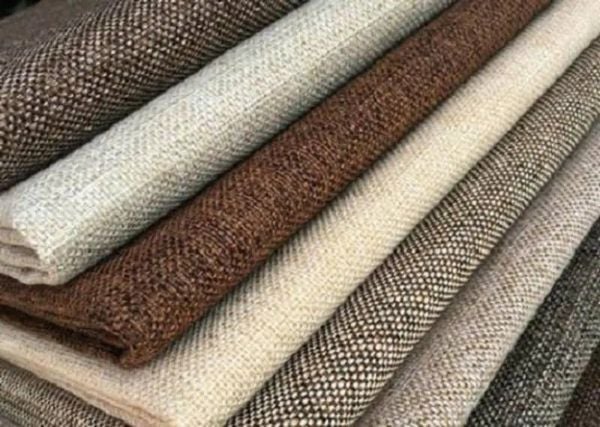
Twill is a high-quality synthetic fabric woven from polyester and spandex fibers. It is distinguished by a smooth, slightly glossy surface and moderate thickness. These properties provide excellent shape retention. With durability and wrinkle resistance, twill is ideal for suits and trousers. It creates an elegant and structured look.
Advantages:
- Elegant and sophisticated.
- Holds its shape well, wrinkles minimally.
- Colorfast.
Disadvantages:
- Not as breathable as linen or cotton.
- Requires careful care for longevity.
Applications: With its structured shape, wrinkle resistance, and elegant appearance, twill is a top choice for office wear. The fabric is commonly used for men's and women's suits, trousers, and uniforms. It provides a professional and confident look for the wearer.
Textile (Synthetic Industry)
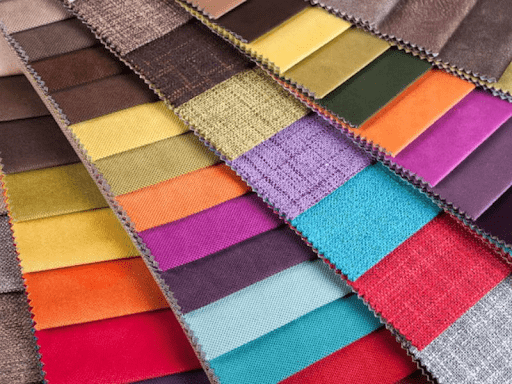
Textile is a general term for fabrics mass-produced using industrial weaving techniques. They are primarily made from synthetic fibers such as polyester, nylon, or acrylic. Textile fabrics are durable and versatile. They can be produced in large quantities. This category includes garment fabrics and finished products such as scarves and socks.
Advantages:
- Versatile and inexpensive.
- Durable and strong.
- Easy to mass-produce.
Disadvantages:
- Not environmentally friendly.
- Poor breathability.
Applications: Textile fabrics are widely used for making sportswear and uniforms due to their durability. In addition, textiles are a primary material for interior products such as curtains, pillowcases, and carpets. These uses demonstrate their versatility and flexibility.
Specialized fabrics, with specific applications.
Lace Fabric
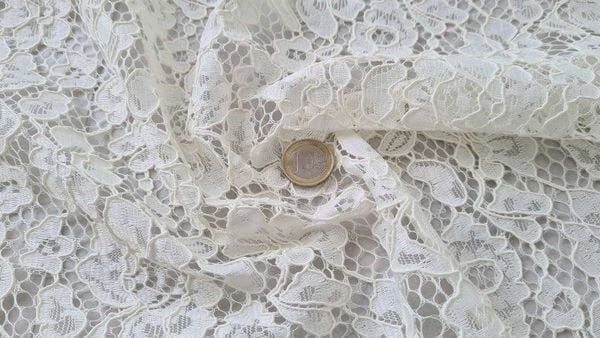
Lace is a distinctive fabric created using knitting, crocheting, or weaving techniques. By braiding, looping, or twisting, artisans form a patterned surface. The fabric has many small gaps, creating intricate patterns and strong transparency. Lace can be made from cotton, silk, or synthetic fibers. It is notable for thinness, lightness, and softness. Lace brings a delicate and alluring beauty to many designs.
Advantages:
- Elegant, romantic, and feminine.
- Easy to combine with many other fabrics.
- Diverse designs and patterns.
Disadvantages:
- Easily torn, less durable.
- Requires careful handling and gentle washing.
- High cost for handmade lace.
Applications: With its delicate and sophisticated beauty, lace is a top choice for glamorous garments. These include wedding dresses and evening gowns. Lace is also widely used to make blouses and lingerie, creating a charming and soft look. Beyond fashion, it is used for interior decoration and tablecloths. Lace adds a subtle and classic touch to any space.
Muslin
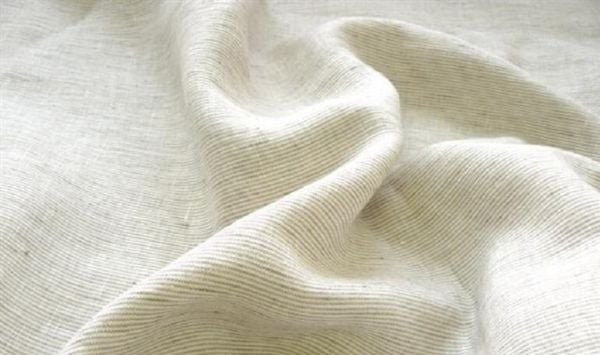
Muslin is a loosely woven, lightweight, and soft fabric. It is made from 100% cotton or other natural fibers. Thanks to its unique weaving technique, this material has a thin, breathable surface. It absorbs sweat well and provides a dry, soft feel. Muslin is especially safe for sensitive skin.
Often white or in pastel shades, muslin may wrinkle easily. However, it is very popular due to versatility and practical uses.
Advantages:
- Lightweight and breathable.
- Excellent absorbency and safe for the skin.
- Inexpensive and readily available.
Disadvantages:
- Thin and easily torn.
- Limited variety in styles.
Applications: Muslin fabric is commonly used for products for infants and young children. Examples include baby wipes, diapers, and baby clothes. Additionally, muslin is used to make shawls and towels. This comes from its breathability and skin-friendly properties.
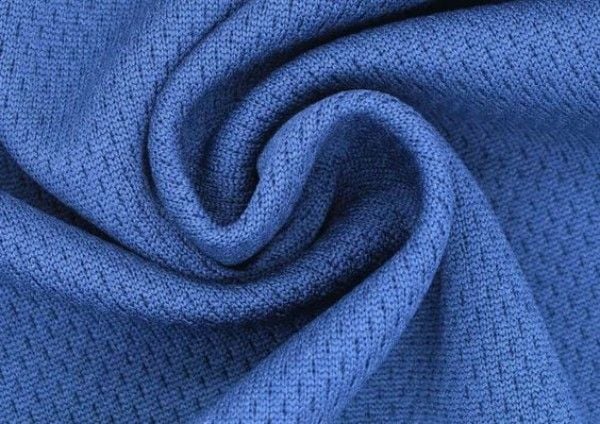
Knitted Fabrics
Knit fabrics are created by knitting interconnected threads in loops. They are not woven horizontally and vertically like traditional fabrics. The production process requires high precision. In return, the finished fabric boasts impressive durability, good elasticity, and a smooth surface.
Thanks to these characteristics, knit fabrics offer comfort to the wearer. They are widely used in the fashion industry. Designers use them to create luxurious, high-class, and trendy products.
Advantages:
- Highly elastic and comfortable.
- Breathable and good moisture absorption.
- Less prone to wrinkling and easy to wash.
Disadvantages:
Easily stretches out of shape if pulled too much.
Some types pill quickly.
Applications: This is an ideal choice for everyday clothing such as t-shirts, sweaters, and sleepwear. In addition, knit fabrics are widely used to produce sportswear, scarves, and socks, providing maximum comfort for the wearer.
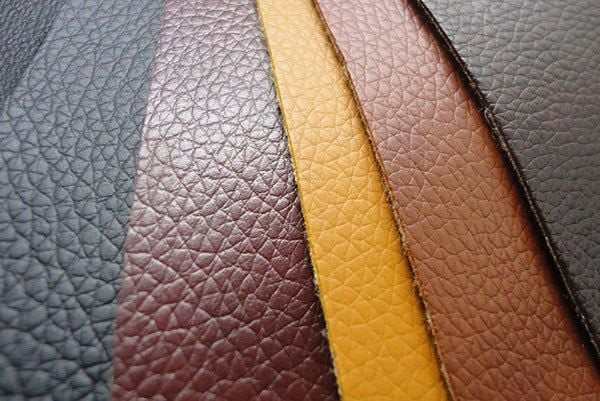
Faux Leather Simili Fabric
Simili (also known as Faux Leather or Pleather) is a popular artificial leather. It is produced by coating a polyester or cotton base with PVC plastic. Although artificial, simili has a surface similar to real leather. It is water-resistant, very durable, and significantly cheaper.
This fabric is also easy to dye, allowing for a wide variety of products to meet market demands. Because of these advantages, simili leather has become an ideal alternative to animal leather and is increasingly popular.
Advantages:
- Durable, water-resistant.
- Easy to clean and maintain.
- Cheaper than genuine leather.
- Friendly to the "no animal leather" trend.
Disadvantages:
- Not breathable.
- May peel after a long time.
- Not as soft as genuine leather.
Applications: Faux leather is commonly used for fashion products such as handbags, wallets, shoes, and faux leather jackets. In addition, faux leather is popular in interior design, especially for sofas. It offers a luxurious look while remaining cost-effective.
Suggestions for choosing fabric materials according to your needs.
| Demand | Material suggestions |
| Hot and humid summer | Cotton, Linen, Tencel |
| Cold winter | Wool, Cashmere, Velvet |
| Going to a party | Silk, Satin, Organza, Velvet |
| Office | Kate, Snowfall, Tencel |
| Streetwear | Denim, Canvas, Polyester |
FAQ – Quick Answers about Fabric Types
What's the difference between 100% cotton and cotton blends?
100% cotton is more breathable but wrinkles more easily. Cotton blends are more durable and stretchy, suitable for office wear.
Are jeans and denim the same?
Denim is the fabric, jeans are products made from denim.
How is silk different from satin?
Silk is a natural fiber, satin is the weaving technique (which can be from silk or synthetic fibers).
Which fabric is the most eco-friendly?
Linen, bamboo, and tencel are the most eco-friendly fabrics because of their natural origin and production processes with fewer chemicals.
Conclude
Understanding different fabric types is key to becoming a smart consumer. It helps you make the most suitable clothing choices. With detailed information from Celidior, you can gain a more comprehensive understanding of fashion materials. Always consider the intended use, personal style, and environmental factors. These will help you choose the most suitable fabric.


Door Celi Dior
Laat een reactie achter
Deze site wordt beschermd door hCaptcha en het privacybeleid en de servicevoorwaarden van hCaptcha zijn van toepassing.