

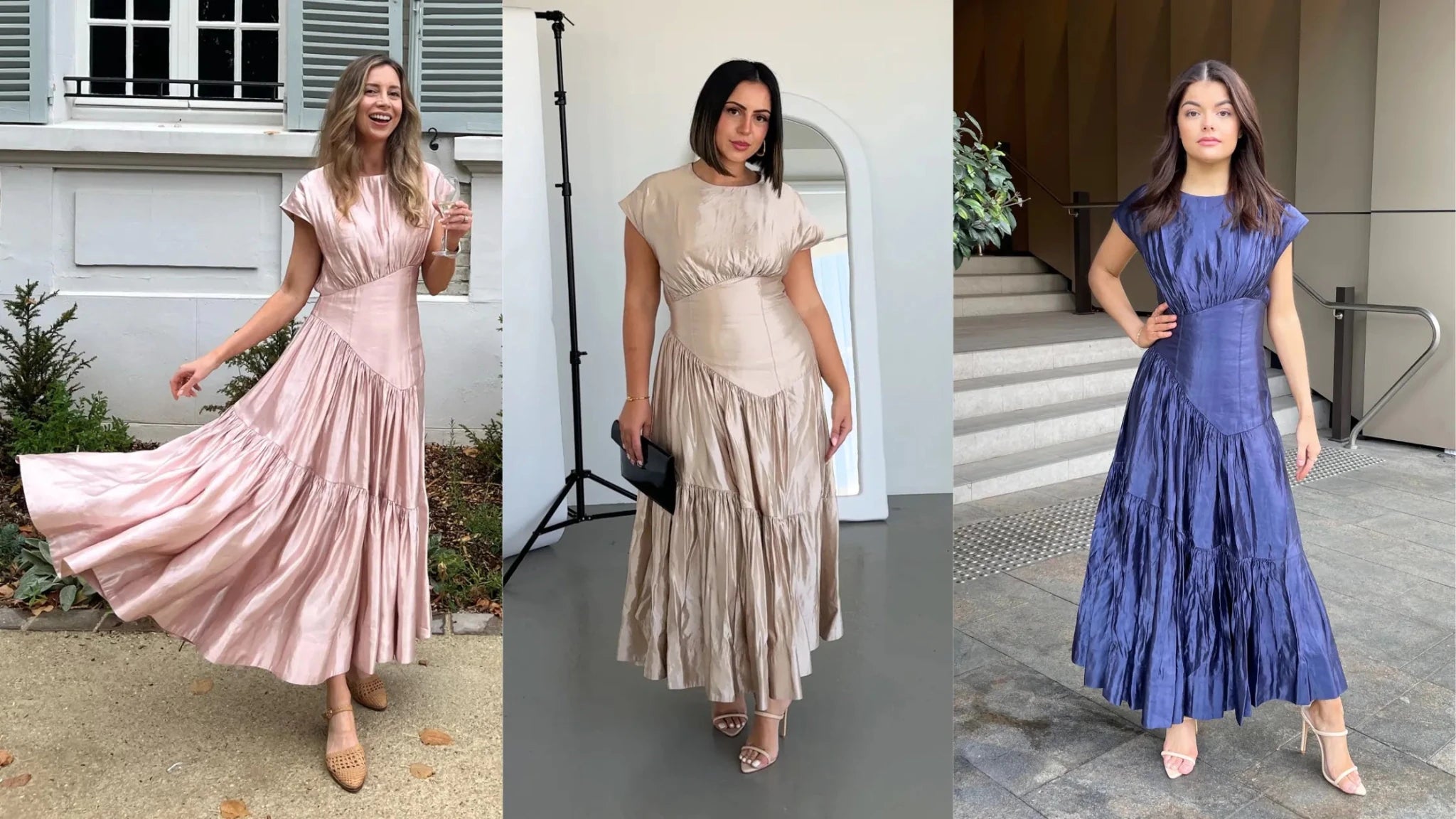
What is a maxi dress? How to choose a flattering and easy-to-wear maxi dress style
Maxi dresses always evoke a distinct vibe: soft, long, feminine, and effortlessly breezy. Compared to midi dresses, maxis offer a more fluid, graceful silhouette with dynamic movement. While far more modest than mini dresses, they can still be incredibly alluring when the cut, fabric, and styling are just right. Join Celidior as we explore the world of maxi dresses and discover tips on how to choose and style them to flatter your figure!
- 1. What is a maxi dress?
- 2. Why do maxi dresses always have a place in a woman's wardrobe?
- 3. How to spot a beautiful and easy-to-wear maxi dress
-
4. Which body types are maxi dresses suitable for?
- 4.1 Petite individuals can still wear maxi dresses, provided the waistline is kept high and the skirt has a streamlined silhouette.
- 4.2 Full-figured individuals often look best in A-line, wrap, or draped maxi dresses featuring vertical lines.
- 4.3 Tall individuals with an upright posture can easily wear various styles, ranging from minimalist designs to bold, large-scale prints.
- 5. How to wear a maxi dress without looking short or looking like you’re overdressed for the beach?
- 6. The most popular maxi skirt styles today
- 7. When should you choose a maxi dress instead of a midi or mini dress?
- 8. FAQ
- 9. Conclude
What is a maxi dress?
"Maxi" refers to dress designs characterized by their significant length, typically reaching the ankles or even grazing the floor. The defining feature of a maxi dress lies not in whether it is loose or form-fitting, but in its length and the sense of movement that length creates. A maxi dress can take various forms—such as a delicate spaghetti-strap style, a wrap dress, an off-the-shoulder design, a slit style, or a modest long-sleeved version. Thus, "maxi" is not a single specific style, but rather a category of dresses united by a spirit of length, fluidity, and graceful movement.

Maxi dresses make a striking impression because they drape the body in a way that sets them apart from other lengths; as the wearer walks, the fabric moves and flows before a single word is spoken. This often leads to associations with femininity, romance, or a vacation vibe. However, viewing them solely through that lens is somewhat limiting. A sleek, solid-colored maxi paired with mules or a lightweight blazer can easily exude an urban aesthetic—proving it doesn't have to be just a "beach dress."
Why do maxi dresses always have a place in a woman's wardrobe?
Creates a distinctively feminine and soft look without needing elaborate styling.
Many dress styles need additional accessories or layers to bring out the spirit. Maxi is different. Its length and drape alone are enough to create an emotional whole. For days when you want to dress beautifully without thinking too much, maxi is often an item that works quite effectively.
:max_bytes(150000):strip_icc()/GettyImages-1382987395-dfea9dd6a4884f47b2f9037ef7d8ed5f.jpg)
Since the dress itself possesses a sense of movement, the wearer does not need to overdo the styling. This is what makes a maxi dress capable of making a striking impression while still maintaining a natural look, provided the right choice is made.
Provides good coverage while remaining breathable and allowing for movement.
Compared to many form-fitting styles, the maxi dress offers a distinct advantage in terms of coverage. It gently conceals the legs, hips, or calves without creating a sense of restriction. When crafted from soft fabric, the dress retains enough fluidity and breathability to ensure the overall look does not feel heavy.

This is why many people return to maxi dresses when they want greater comfort without sacrificing femininity; they feel far less restrictive than outfits that require you to constantly “hold in” your figure.
Depending on the material, it can range from casual and citywear to resort or semi-formal styles.
Maxi dresses are not confined to a single setting. Cotton, linen, or lightweight jersey fabrics lean towards a casual, comfortable vibe perfect for everyday wear. In contrast, satin, silk, chiffon, or materials with a subtle sheen elevate the maxi to a dressier aesthetic, making it suitable for dinners, cocktail parties, or vacations.

In other words, what determines the look of a maxi dress isn't just its length, but the fabric and the context you give it.
How to spot a beautiful and easy-to-wear maxi dress
What is the ideal length—one that doesn't drag on the ground or overwhelm your silhouette?
A beautiful maxi dress is typically long enough to create a graceful flow without dragging excessively on the ground. When paired with your chosen footwear, the hem should ideally graze the ankles or hover just slightly above the ground; if it is too long and constantly sweeps the floor, the look quickly shifts from "graceful" to "cumbersome."
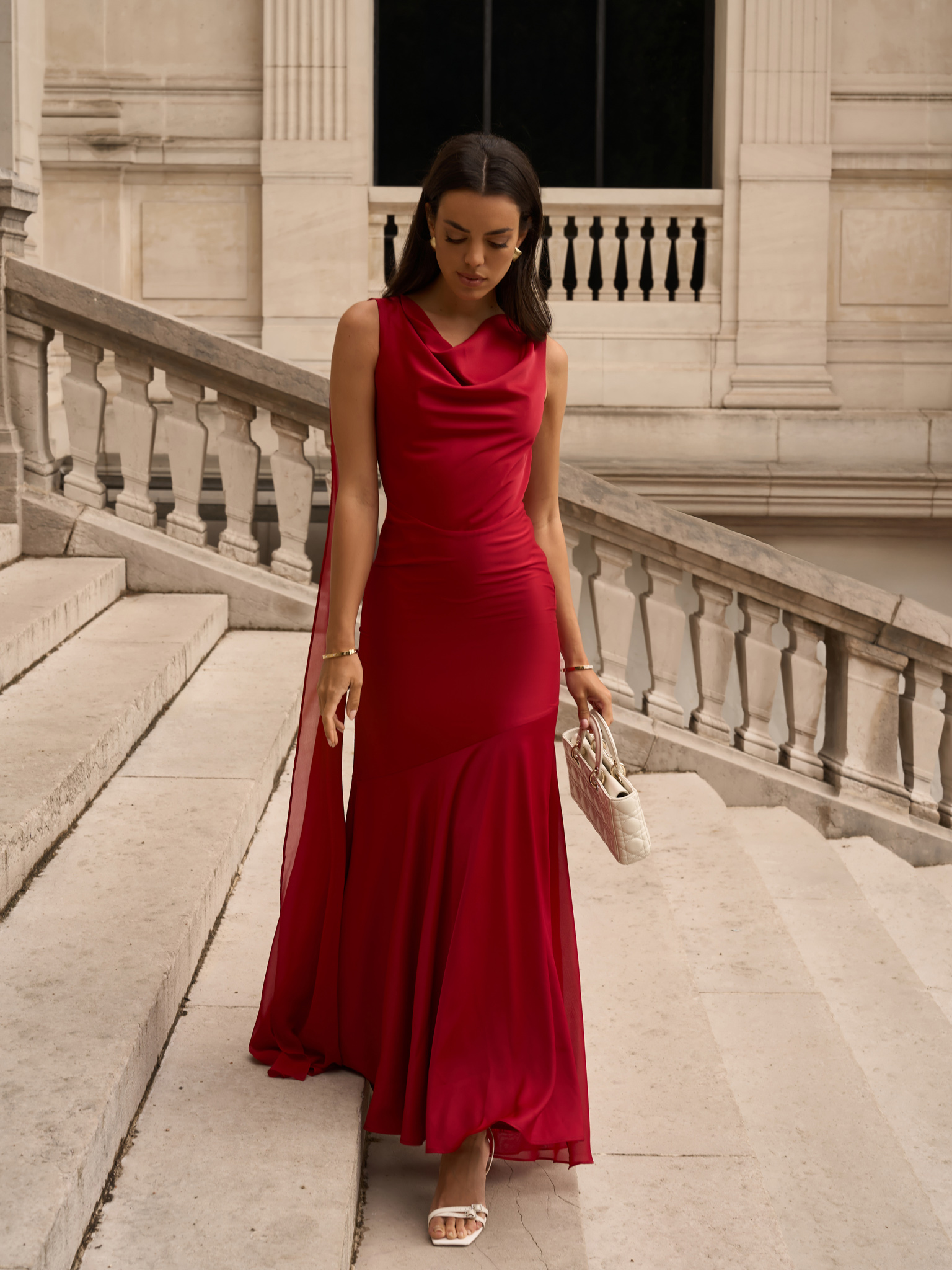
For those with a petite frame, this detail is especially crucial; a difference of just a few centimeters can completely compromise the outfit's sense of airiness.
The drape of the material determines whether the feel is light and graceful or heavy.
Not every maxi dress flows effortlessly; the effect depends almost entirely on the fabric. Fabrics with good drape allow the skirt to move gracefully and create a more slender silhouette. Conversely, materials that are too thick or stiff can make the lower body look heavy—especially given the dress's length.
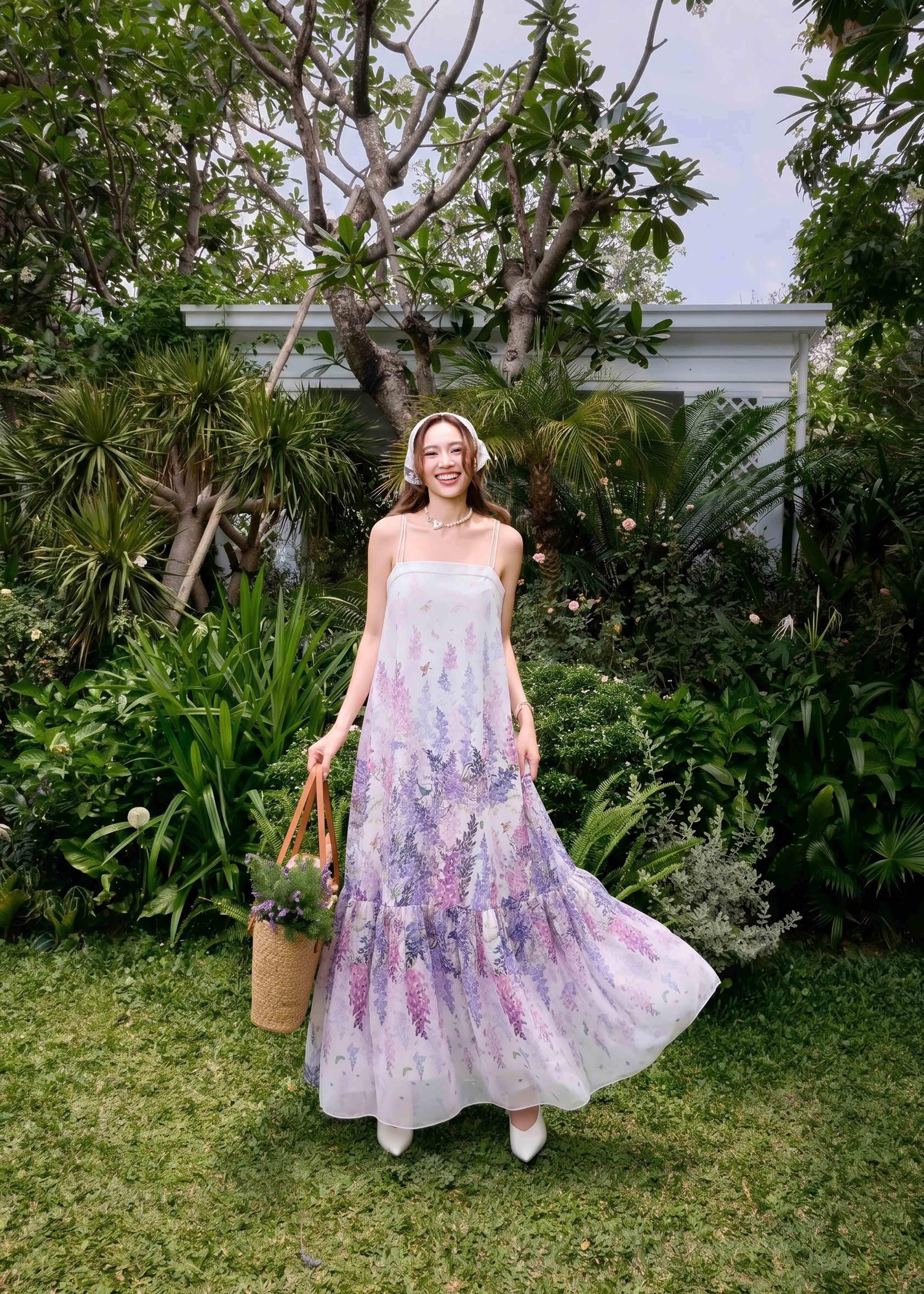
If you love maxi dresses but worry about looking "bulky," focus on the fabric before considering the pattern. This is often the key difference between a maxi dress that looks great and one that simply feels cumbersome.
Which waist details, collar styles, and cuts help prevent a maxi dress from looking sloppy?
The most common drawback of a maxi dress is that it can create a monolithic, unbroken silhouette from top to bottom, especially if the garment lacks a visual focal point. Consequently, details such as a defined waist, V-neck, wrap style, empire cut, or a subtle slit are highly valuable; they rebalance body proportions and prevent the dress from overwhelming the wearer.
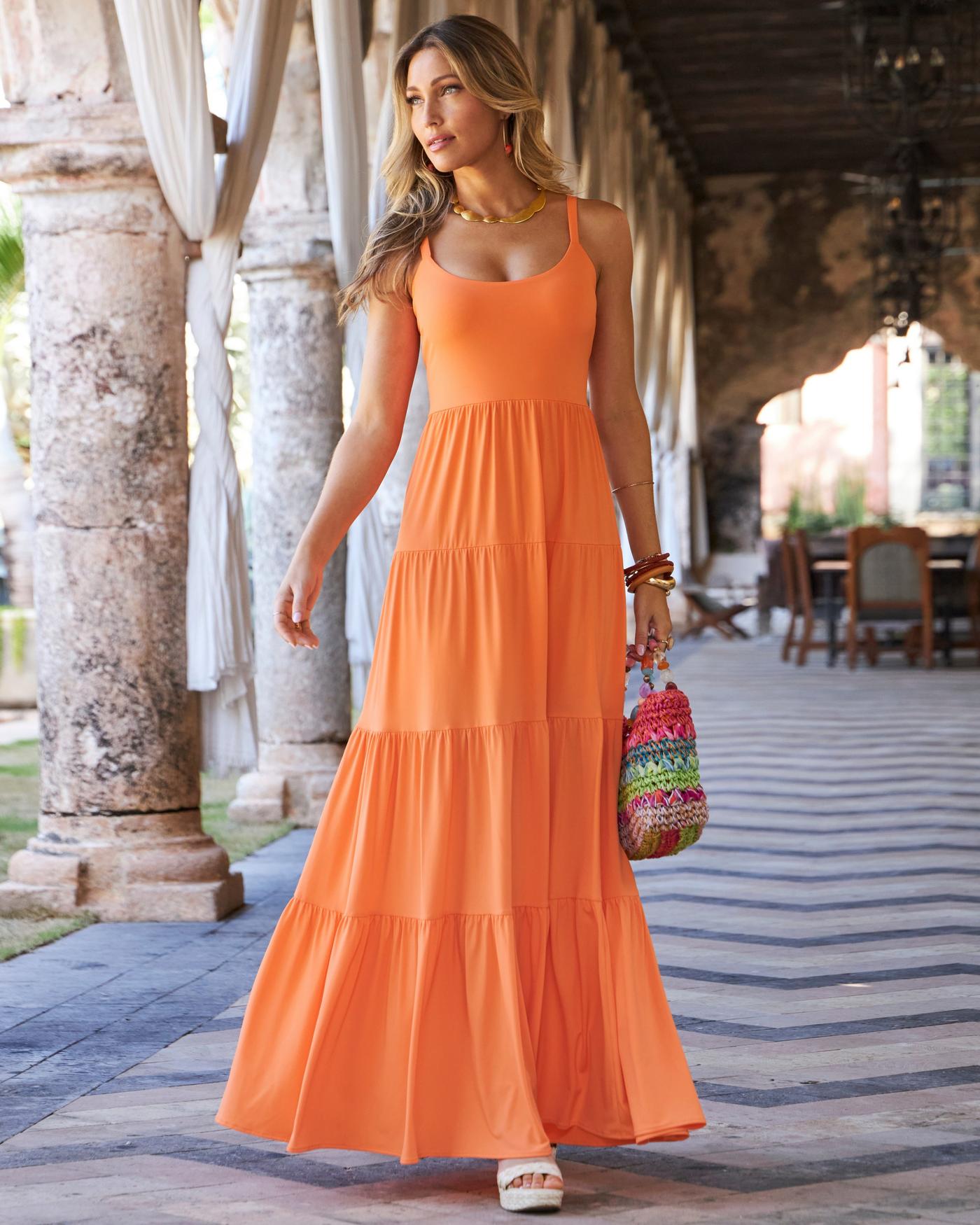
A beautiful maxi dress often doesn't require many details, but it needs the right details in the right places.


Which body types are maxi dresses suitable for?
Petite individuals can still wear maxi dresses, provided the waistline is kept high and the skirt has a streamlined silhouette.
Maxi dresses are not off-limits for shorter women; the key is simply to avoid styles that feature excessive fabric, are overly voluminous, or are too long. High-waisted designs with a defined waist, a streamlined skirt, and a fitted bodice help elongate the figure rather than making it look overwhelmed.

If you need a simple rule, remember: the more petite you are, the more streamlined the maxi dress should be—fitted up top and clean-lined at the bottom.
Full-figured individuals often look best in A-line, wrap, or draped maxi dresses featuring vertical lines.
These maxi styles create a more natural sense of balance because they do not cling tightly to the hips, yet they still define the waist and maintain a graceful drape. Vertical lines—formed by V-necks, button rows, soft folds, or subtle stripes—also help elongate the silhouette rather than widening it visually.

This is a style that is both feminine and easy to wear—especially when you want a dress that is soft and gentle without being overly frilly or girly.
Tall individuals with an upright posture can easily wear various styles, ranging from minimalist designs to bold, large-scale prints.
Tall people often have a clear advantage with maxi because the body proportions are airy enough to carry the length. You can try more versions, from minimalist one-color styles to large patterned, slit or off-the-shoulder dresses while still maintaining a balanced overall look.
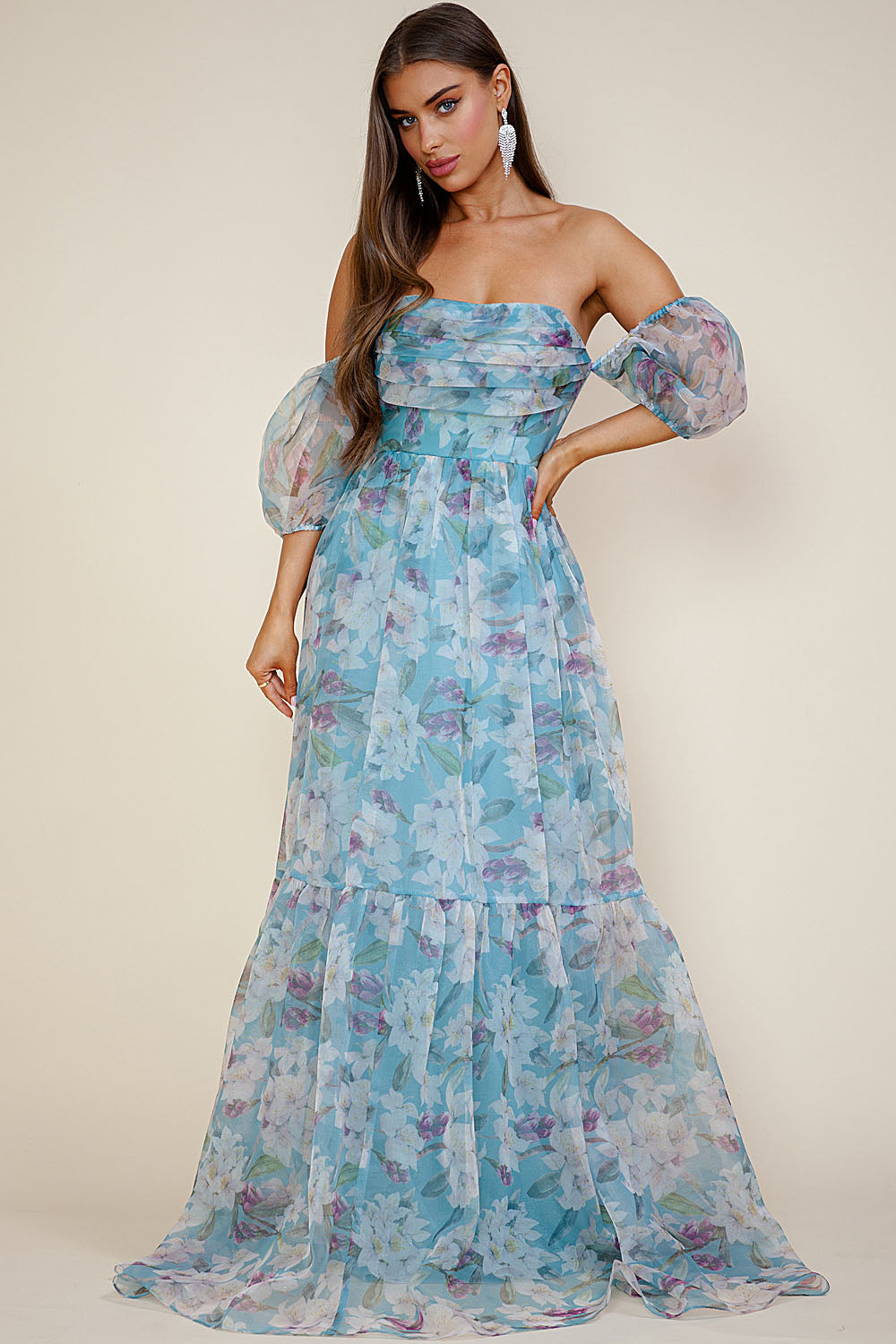
However, being easy to wear doesn't mean every piece looks good. For a straight silhouette, a maxi dress looks better if it features a defining detail—such as a distinct neckline or a subtle waist accent—or is made of fabric soft enough to create movement.
How to wear a maxi dress without looking short or looking like you’re overdressed for the beach?
Keep the upper section neat and clearly defined.
When a dress is long and features a significant amount of fabric, the upper section should be kept streamlined. Options include a bodice with a fitted silhouette, a moderately deep V-neck, a defined waistline, or a cropped jacket to restructure the upper body. If everything is left loose, a maxi dress can easily make the entire outfit look shapeless or unstructured.

Choose the right footwear to match the vibe; avoid wearing a maxi dress with sloppy sandals.
A maxi dress doesn't have to be paired with flat sandals. Depending on the occasion, you can opt for mules, slingbacks, heeled sandals, sleek ankle boots, or even a pair of clean-lined sneakers. Your choice of footwear plays a decisive role in whether the look leans towards resort-style, urban chic, or formal elegance.
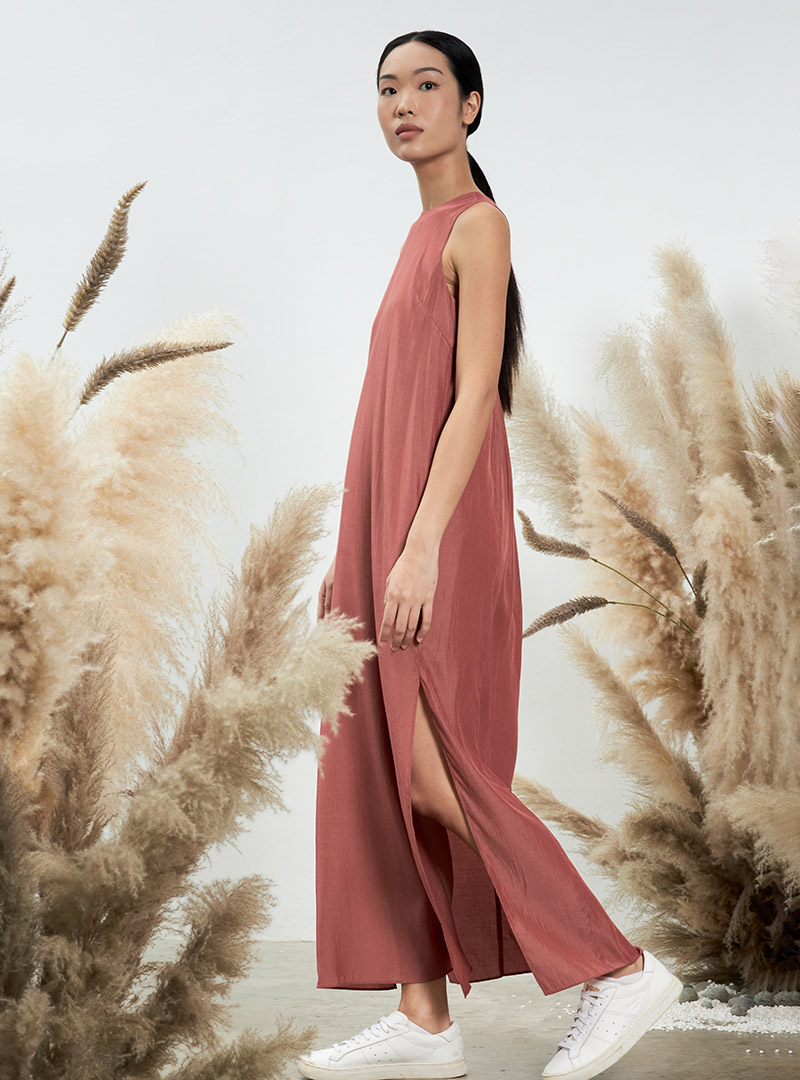
If you are worried about the shoes making you look shorter, prioritize styles that create the illusion of longer legs and leave the ankles looking more open.
Keep accessories and patterns understated when the dress itself is already striking.
A maxi dress is a statement piece that commands attention on its own. If the dress features bold prints, vibrant colors, ruffles, or puffed sleeves, you don’t need much else to make the outfit stand out; a pair of small earrings, a compact bag, and shoes that match the overall vibe are all you need.
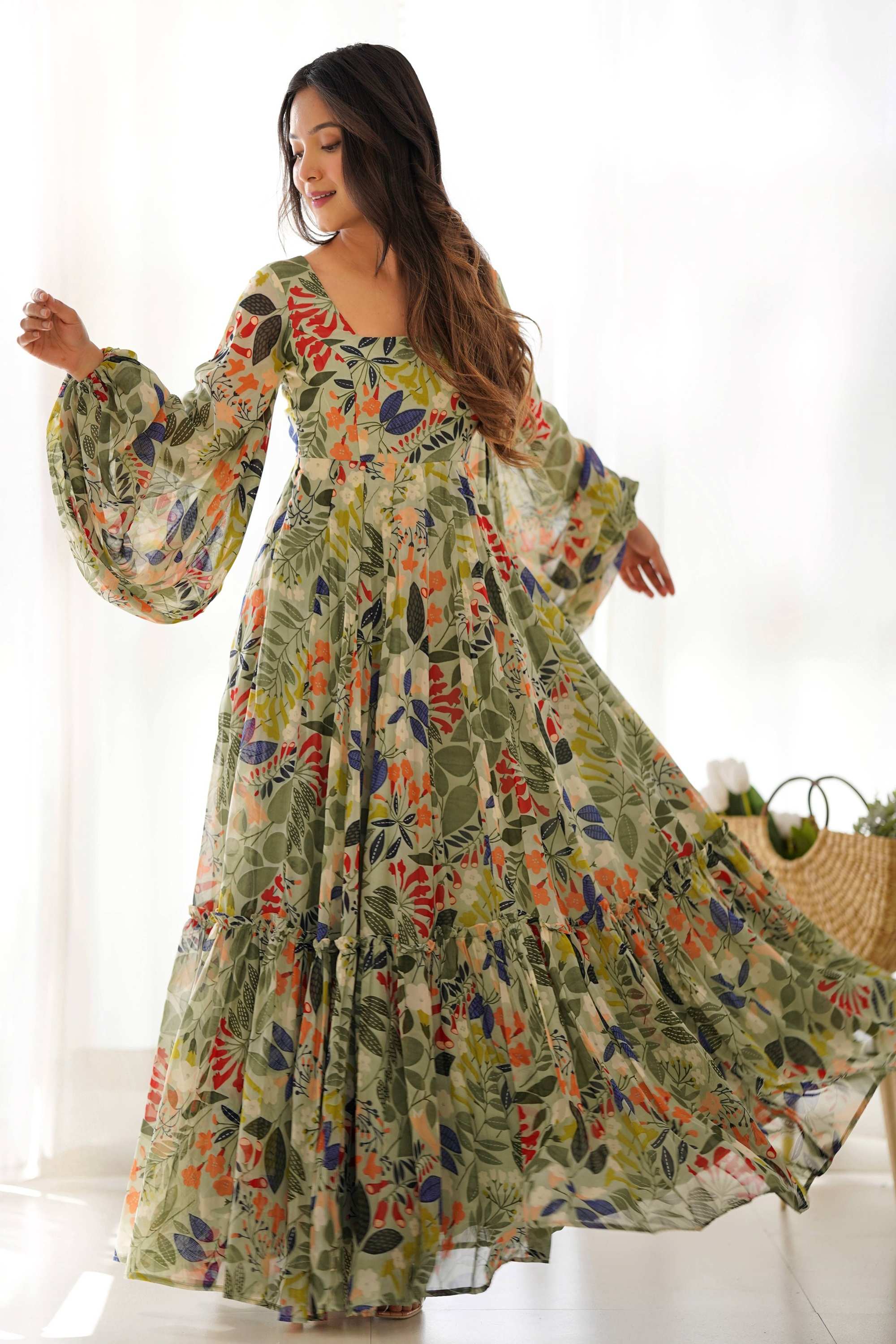
This restraint doesn't make the outfit bland; instead, it helps the maxi dress maintain an elegant, refined, and controlled look.
The most popular maxi skirt styles today
Straight-cut maxi skirt (Column/Straight Maxi)
This is the most minimalist and versatile version. With a streamlined silhouette that falls straight from the hips to the ankles, the skirt feels neither cumbersome nor heavy. You can easily pair it with a basic T-shirt, a crop top, or even a work shirt to create a neat, modern, and distinctly urban look.
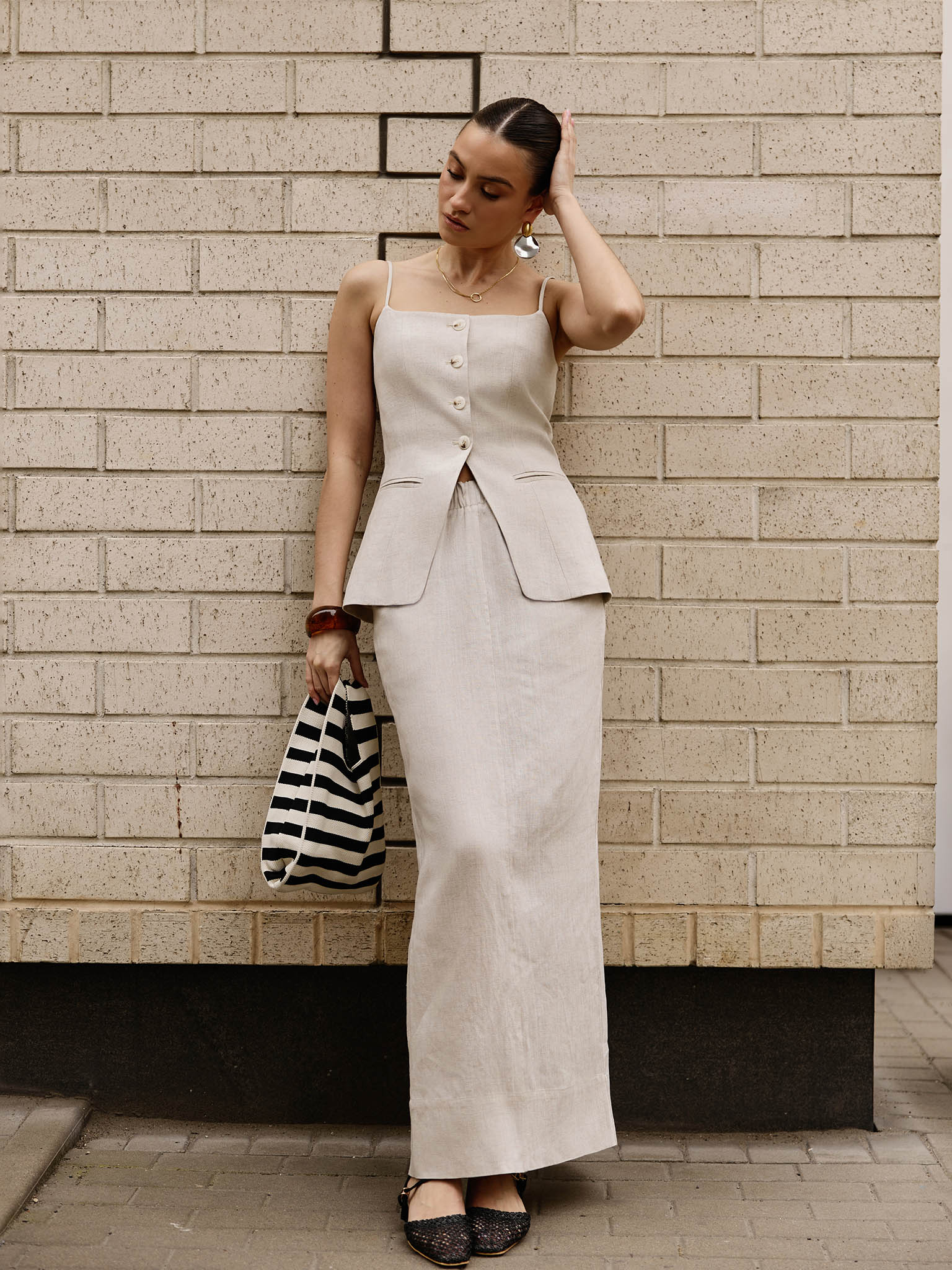
Slit Maxi Skirt
A slit is a brilliant detail that makes a maxi skirt appear significantly lighter. The opening—usually positioned at the side or front—not only adds breathability and allows for greater freedom of movement but also prevents the skirt from looking too heavy or covered-up. For those concerned that a long skirt might overwhelm their figure, this is an option well worth trying.

Flared/Pleated Maxi Skirt (A-line/Pleated Maxi)
This skirt style embodies a distinctly romantic and feminine spirit. Whether featuring a wide flare or vertical pleats, it creates beautiful volume and a graceful sense of movement as you walk. However, to avoid a sloppy look, you should pair it with a form-fitting top to balance your proportions.

Denim maxi skirt
Stepping away from the usual soft, flowy fabrics, the denim maxi skirt has emerged as a powerful force in street style. The structured nature of denim lends an edgy, distinctive, and highly energetic vibe to the look. Often designed with a front or back slit for ease of movement, it is the perfect piece to pair with sneakers and a plain T-shirt.

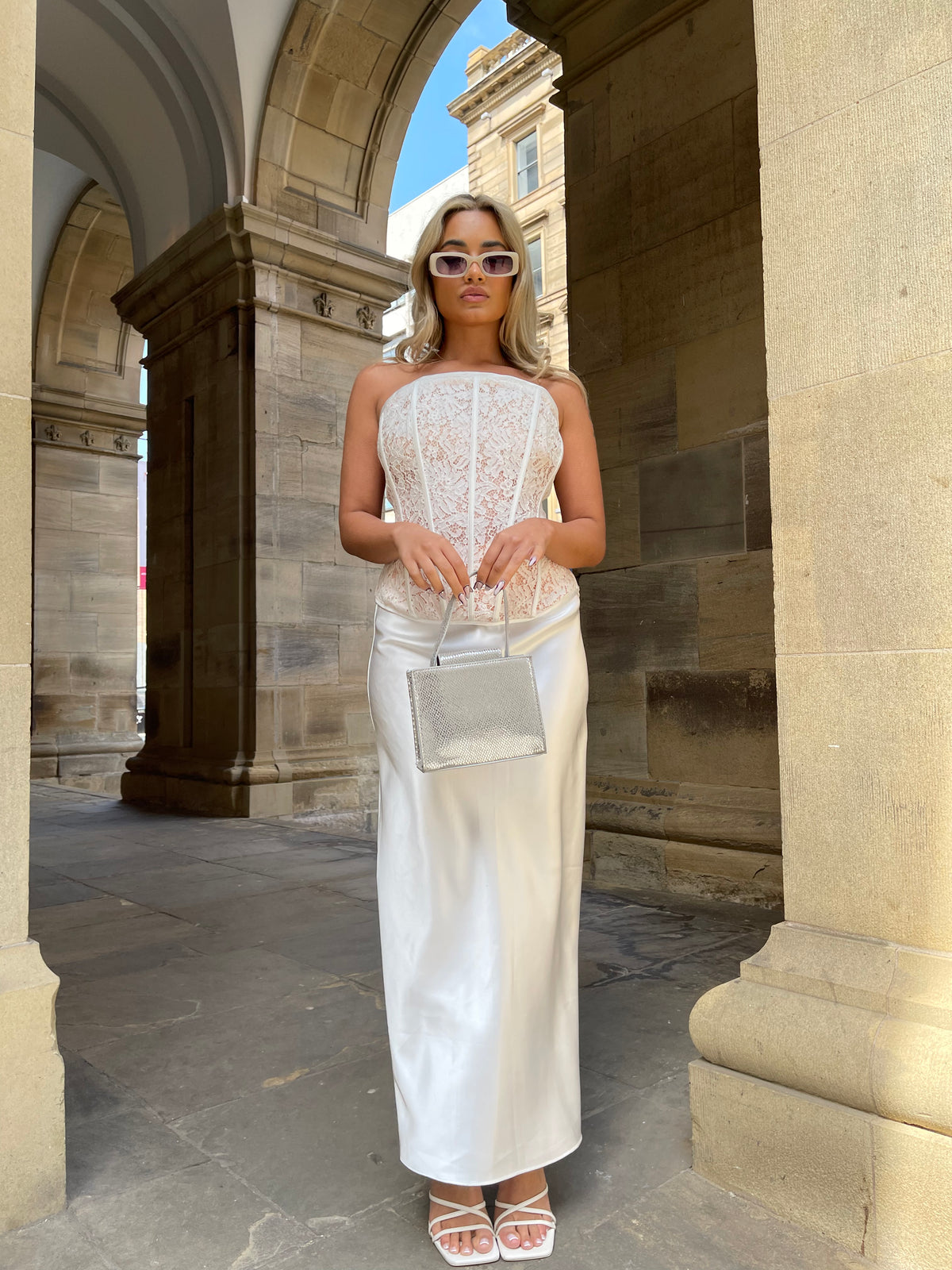
Silk/Satin Maxi Skirt (Slip Skirt)
Evoking the fashion of the 90s, silk or satin maxi skirts exude a look that is alluring, soft, and incredibly elegant. The fabric's subtle sheen catches the light beautifully, making it an ideal choice for evening parties or sophisticated, stylish street-style ensembles that remain understated rather than ostentatious.
When should you choose a maxi dress instead of a midi or mini dress?
Opt for a maxi dress when you desire more coverage, enhanced movement, and a softer, more romantic feel. For occasions calling for a graceful, flowing look—or whenever you want your outfit to sway beautifully with every step—a maxi dress typically outperforms midi and mini styles.

Conversely, if you prioritize neatness and ease of movement for daily activities, or need a more understated look for the office, a midi style might be a better fit. A mini is ideal when you want a youthful, dynamic, and airy vibe. In other words, while a maxi isn't always the best choice, in the right setting, it creates an effect that other lengths struggle to match.
FAQ
1. How long must a dress be to be considered a maxi?
Typically, a maxi dress extends from the ankle downwards, potentially reaching near the ground depending on the design and the wearer's height.
2. Can petite women wear maxi dresses?
Yes. Petite women can look great in maxi dresses if they choose styles with a high waist, a streamlined skirt, and an appropriate length, while avoiding silhouettes that look too heavy or bulky around the lower body.
3. How do maxi dresses differ from midi dresses?
The main difference is length. Midi dresses usually end somewhere between just below the knee and mid-calf, whereas maxi dresses are longer, reaching the ankles or nearly touching the ground.
4. Are maxi dresses only suitable for the beach or vacations?
No. Maxi dresses can be worn for casual city strolls, informal parties, or even in more urban settings, provided the fabric, color, and styling are sufficiently understated.
5. What shoes should be worn with a maxi dress to avoid looking unflattering?
The most versatile choices are usually mid-height sandals, mules, slingbacks, or any footwear that leaves the ankle area exposed. The key is to choose shoes that maintain a balanced, graceful silhouette for the entire outfit.
Conclude
A maxi dress isn't beautiful simply because of its length; its true appeal lies in how that length is balanced by the cut, fabric, and proportions. When these elements come together harmoniously, the maxi becomes one of the most feminine and striking pieces in your wardrobe.
If you have previously shied away from maxi dresses—fearing they might overwhelm your figure or look too much like vacation wear—the issue likely wasn't the style itself, but the specific version you tried. When chosen correctly, a maxi dress is far from impractical; on the contrary, it is incredibly versatile and easy to style for a wide range of occasions.
Explore more women's dress designs at Celidior to find a maxi style that perfectly complements your physique, lifestyle, and personal taste.


Door Celi Dior
Laat een reactie achter
Deze site wordt beschermd door hCaptcha en het privacybeleid en de servicevoorwaarden van hCaptcha zijn van toepassing.