




Wool Fabric: Detailed Classification of 7 Common Wool Fabric Types
Wool fabric is one of the most popular materials in the world today. Thanks to its characteristic advantages such as warmth and durability, this fabric is widely used in sportswear and warm clothing. So what is wool fabric, what are its advantages and disadvantages, and how is it used in fashion? All of this will be summarized in the article below by Celidior.
What is the concept of wool fabric?
Wool fabric is the world's first woven fabric made from animal fibers. Wool fibers are woven from the fleece of sheep or other animals such as goats, rabbits, camels, etc. Wool fabric is composed of raw materials with 97% protein and fat.
Wool fabric is highly durable, retains warmth well, and absorbs sweat effectively. Therefore, it is widely used in typical fashion products such as jackets, sweaters, shirts, etc.

What is Wool Fabric?
The main advantages and disadvantages of wool fabric.
Understanding the advantages and disadvantages of wool is crucial for choosing the most suitable fashion items. Below are the pros and cons of wool fabric that you need to know:
Advantages
Wool is the third most widely used fabric in the world, after cotton and synthetic fibers. This is because it possesses many advantages in terms of fabric quality and comfort.
Wool fabric is quite soft, fluffy, and wrinkle-resistant. It has high elasticity and resilience, and good moisture absorption. At the same time, its heat resistance, insulation, and electrical insulation are also highly rated.
Therefore, the fabric is difficult to burn, burns slowly, and can be extinguished immediately after being removed from the fire. In particular, wool fabric can absorb dyes directly without the need for chemicals.
When wearing clothing made from wool fabric, you will feel comfortable, light, and relaxed. In particular, the material provides a cool feeling during the day and warmth at night.
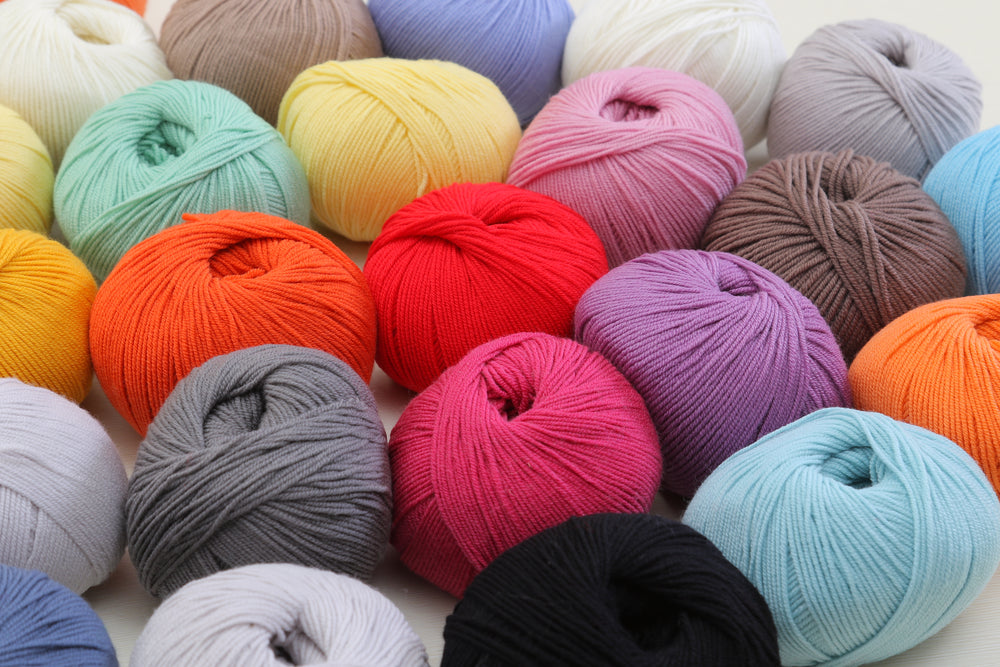
Characteristics of Wool
Disadvantages
Despite its advantages, wool fabric still has some drawbacks that make users hesitant. The fabric is less durable in alkaline environments and is prone to absorbing odors and mold if not properly cared for.
It also tends to dry slowly, requiring longer drying times compared to other fabrics. The fabric retains water, making washing and drying more difficult. Furthermore, some types of wool fabric are prone to pilling and fuzzing after a period of use.

Characteristics of Wool
Detailed classification of wool fabrics
Made primarily from animal hair, wool is the defining characteristic of wool fabrics. Here are some of the most common types of wool fabrics and their features:
Merino Wool
Merino wool, also known as Merino wool, is a type of wool derived from Merino sheep's fleece. The fibers are extremely fine, only 11-25 microns in diameter, much thinner than human hair. Therefore, they provide a soft and smooth feel against the skin, without causing irritation, itching, or discomfort.
Merino wool has excellent warmth retention and natural antibacterial and deodorizing properties. It also has high sweat absorption capabilities, up to 30 times higher than cotton. Furthermore, it is highly durable and can be used for a long time. The material is used to produce jackets, sweaters, shirts, pants, underwear, etc.
Cashmere Wool
Cashmere wool is made from the undercoat of the Cashmere goat, one of the most expensive types of wool. The fabric is lightweight and retains heat up to eight times better than regular wool. Cashmere wool is highly valued for its softness, warmth, and luxurious feel, providing a high-class experience for the wearer.
Cashmere wool is widely used in the garment industry to produce many types of high-end clothing, from jackets, sweaters, scarves to gloves. In addition, the fabric is also used to produce blankets, sheets, pillows, carpets, and luxury accessories.
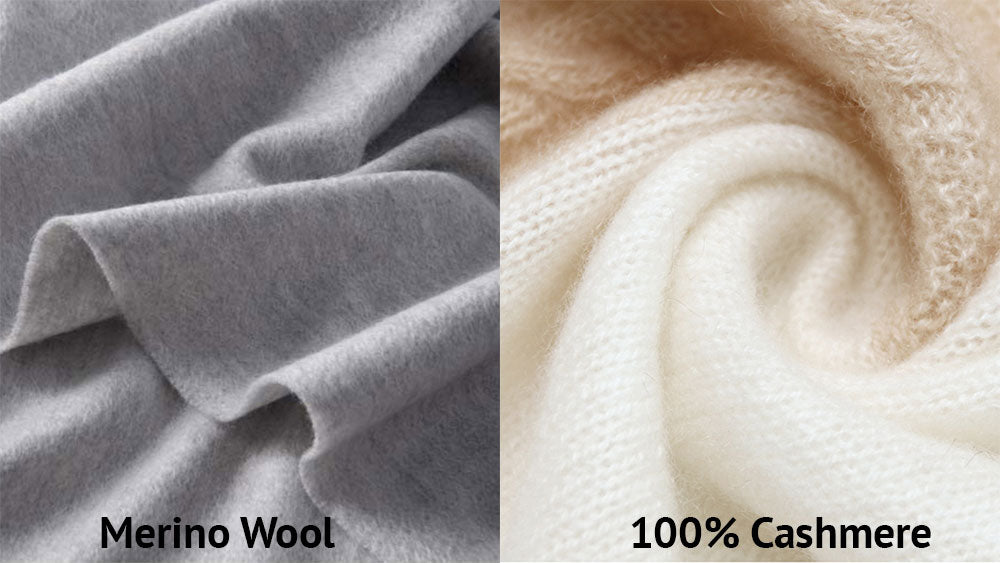
Cashmere wool
Mohair Wool
Mohair wool is a type of wool derived from Angora goat hair, highly valued for its softness, sheen, excellent warmth retention, and unique fluffiness. Thanks to its impressive beauty, mohair is widely used in dresses, coats, sweaters, scarves, and more.
Angora Wool
Angora wool originates from Angora rabbit fur and is very lightweight. Angora wool fibers are incredibly soft and smooth, providing a light and comfortable feel against the skin. The fabric has a high sheen, creating a luxurious and elegant look for the wearer. The wool fibers have a smooth structure and reflect light well, creating a glossy effect.
Alpaca Wool
Alpaca wool is woven from the soft hair of the alpaca camel. Alpaca wool fibers are incredibly soft and smooth, similar to cashmere wool. The fabric offers softness, warmth, lightness, durability, water resistance, natural odor control, and is environmentally friendly.
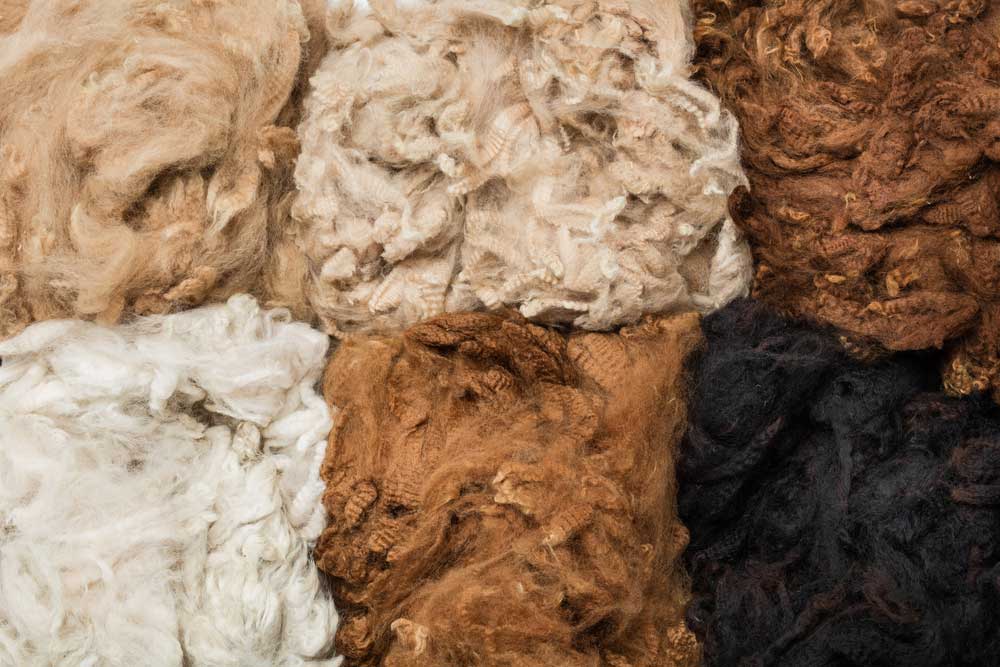
Alpaca Wool
Applications of wool fabric in fashion
Wool fabric is a versatile material with many applications in the fashion industry. It is commonly used to make sweaters, jackets, skirts, etc., for all ages and genders. In addition, wool fabric is also used to produce accessories such as socks and scarves for the winter season.

Wool fabric applications
How to care for wool fabric?
Wool fabrics should be hand-washed or machine-washed on a gentle cycle. Use a specialized wool detergent or a mild soap. Do not wring out wool; instead, roll it up and gently press to remove excess water. Lay the fabric flat to dry, avoiding direct sunlight and dryers.
Wool fabrics are prone to stretching, so fold them neatly and avoid hanging them on hangers. Remove lint using a specialized lint remover or lint remover. Each type of wool may have its own care instructions; carefully read the care instructions on the garment label. Cashmere wool and Angora wool require more careful care than other types of wool.

How to care for wool fabric
In summary
Wool fabric is a wonderful material with many outstanding advantages and is widely used in the garment industry. Come to Celidior to own high-quality garments made from the finest quality wool fabric.


Ecrit par Celi Dior
Laisser un commentaire
Ce site est protégé par hCaptcha, et la Politique de confidentialité et les Conditions de service de hCaptcha s’appliquent.