



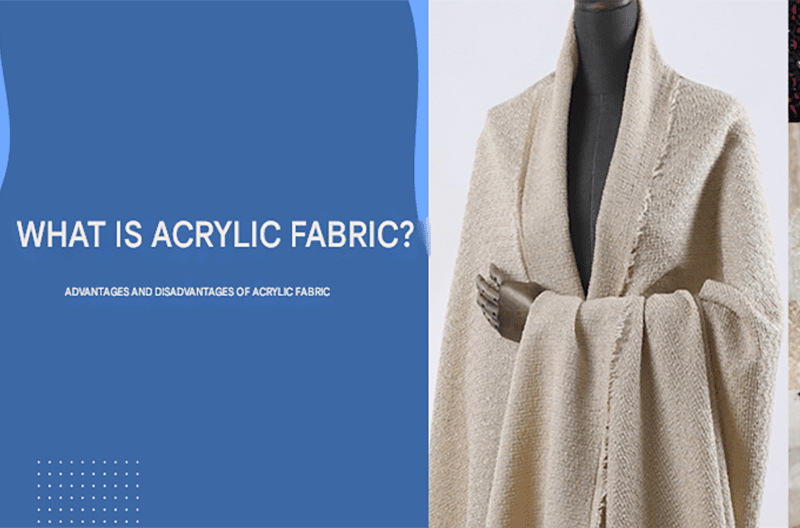
What is acrylic fabric? Advantages, disadvantages, and common applications
Acrylic fabric is one of the most popular and widely used materials in clothing and fashion, such as shirts, dresses, shoes, etc. Let's explore what acrylic fabric is and its advantages and disadvantages through the following article from Celidior!
Learn about Acrylic fabric
What is acrylic fabric?
Acrylic fabric, also known as artificial wool, is made from acrylonitrile fibers. This material is created using small amounts of other chemicals such as petroleum and coal to improve dye absorption and the properties of the acrylic fabric.
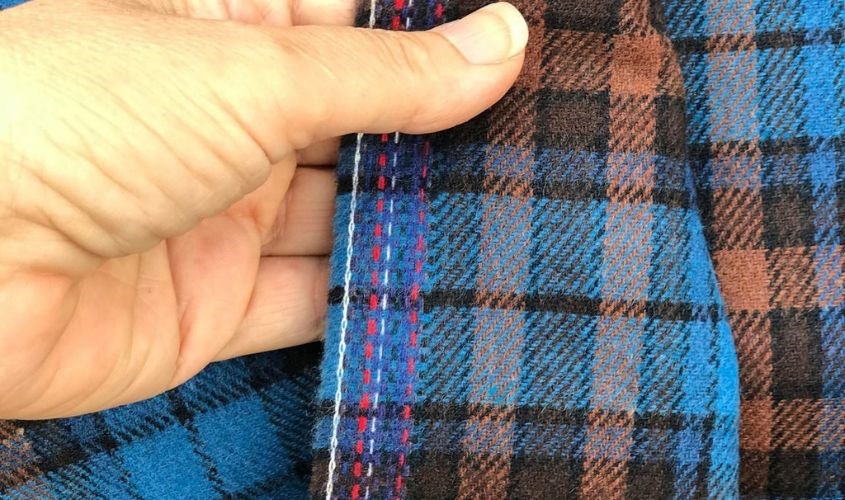
Acrylic fabric is also known as artificial wool.
Origin
Acrylic fabric was invented in 1940 by Dupont, a giant in the textile industry. By 1950, this material was being produced in large quantities. However, it lost its popularity due to the emergence of other textile fabrics on the market.
Soon after, this fabric was considered to contain many toxic substances and was highly flammable, which significantly reduced its consumption in the United States. Instead, its production flourished in India, China, and Southeast Asian countries.
The origin of acrylic fabric
Acrylic fabric manufacturing process
Hãy cùng tìm hiểu đôi nét về các bước cơ bản trong một quy trình sản xuất sợi vải acrylic:
Step 1: Create acrylic yarn
To produce acrylic fabric, the input polymer must contain 85% acrylonitrile monomer. Before production, the polymer fibers are dissolved in a strong solvent. Then, the gels are fed into a multi-hole mixer to form fibers, which are then solidified in a solution with the same solvent under a stream of heated inert gas.

Creating acrylic fabric
Step 2: Pull the acrylic thread
The acrylic fibers obtained from step 1 are then washed. Afterward, the manufacturer draws them into long, thin strands, stretching and elongating them into even finer fibers, ready for weaving into acrylic fabric.

Acrylic yarn
Step 3: Weave the acrylic fabric.
After the spinning process, high-quality acrylic fibers are wound onto spools and transported to the weaving area. Depending on product requirements, the fibers can be sold directly as yarn, woven into fabric, or surface-treated to create various types of fabrics.

Acrylic fabric
Some common types of acrylic fabric
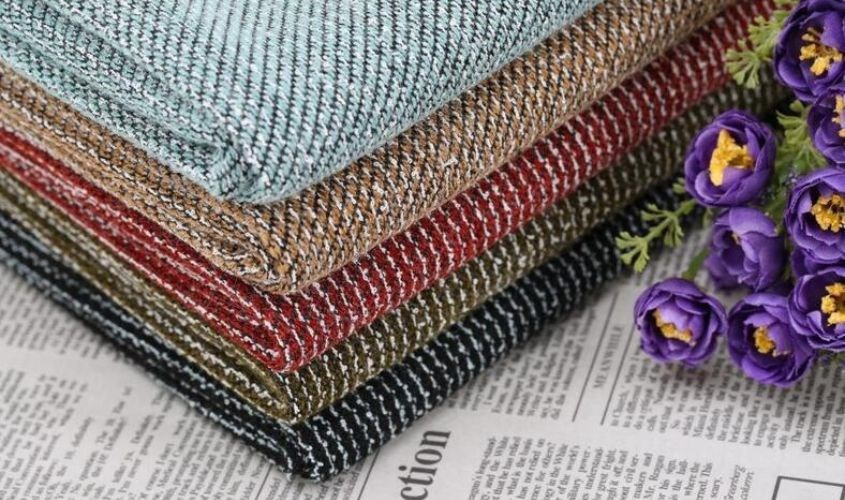
Original Acrylic Fabric
Original acrylic fabric is a pure fabric containing at least 85% acrylonitrile monomer, a chemical derived from petroleum. Acrylic fabric has many advantages such as diverse colors, colorfastness, sun resistance, shrinkage resistance, and good warmth retention. However, acrylic fabric also has some disadvantages such as being prone to pilling, fading after multiple washes, and having low absorbency.
Acrylic fabric is commonly used to make sweaters, scarves, hats, gloves, blankets, and rugs. Among these, sweaters are particularly nổi prominent for their warmth and attractive designs.

Original Acrylic Fabric
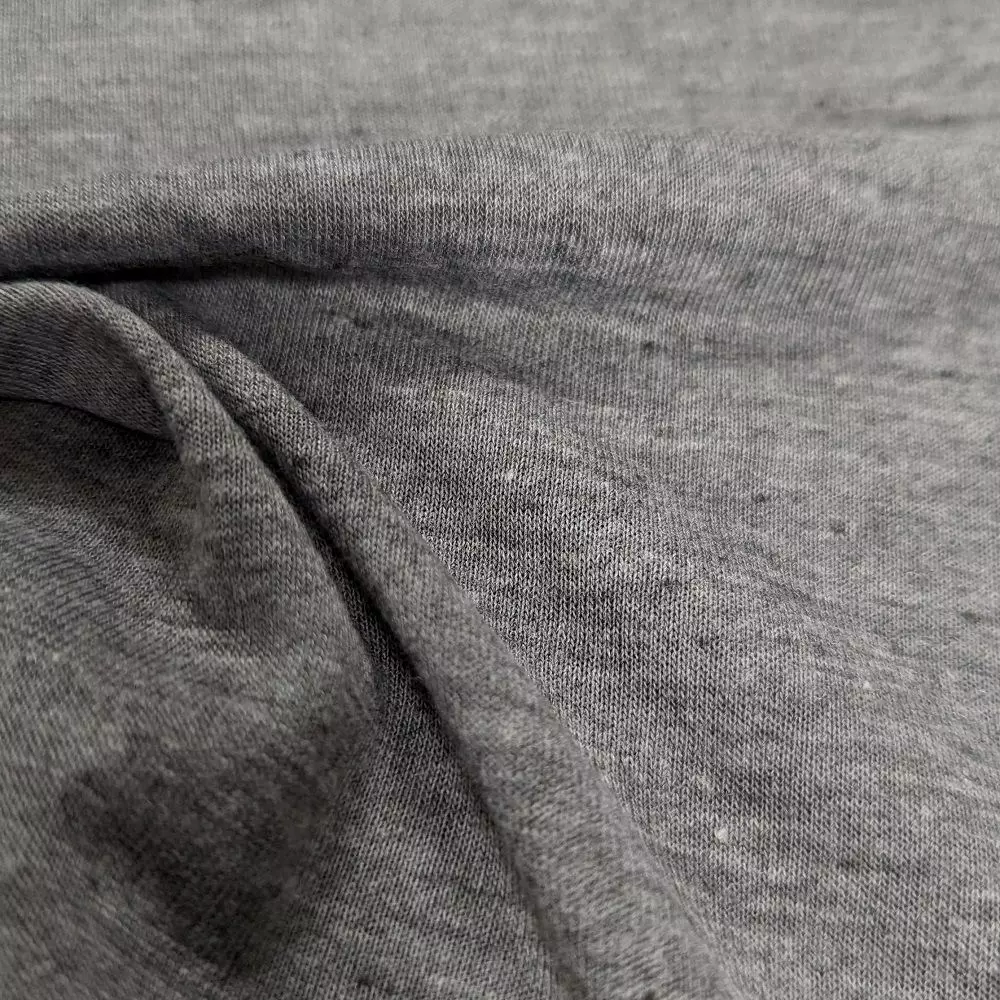
Modacrylic fabric
Modacrylic fabric is a variant of acrylic fiber that includes a portion of acrylonitrile but uses additional polymers in its production, such as vinylidene chloride. This material boasts superior flexibility, wrinkle resistance, and durability compared to pure acrylic. Modacrylic fabric also offers better abrasion resistance and flame resistance than regular acrylic.
Modacrylic fabric is commonly used in the production of protective clothing, wigs, and hair extensions. Additionally, with its excellent shape retention and soft, lightweight feel, modacrylic fabric is also very suitable for making elegant trousers.
Modacrylic fabric
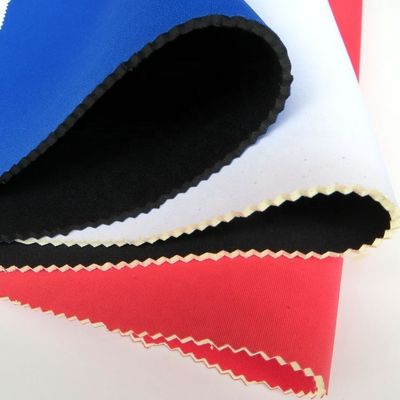
Nitrile fabric
Nytrile fabric is primarily composed of vinylidene dinitrile. Nytrile fabric possesses strong antibacterial, anti-inflammatory, and antifungal properties. Additionally, it is highly durable and does not deform when exposed to chemical solvents. However, nytrile fabric is difficult to dye and has a rather rough surface.
This material is very popular in the West, commonly used to manufacture gloves, fabrics, and carpets due to its excellent protective properties and high durability.
Nitrile fabric
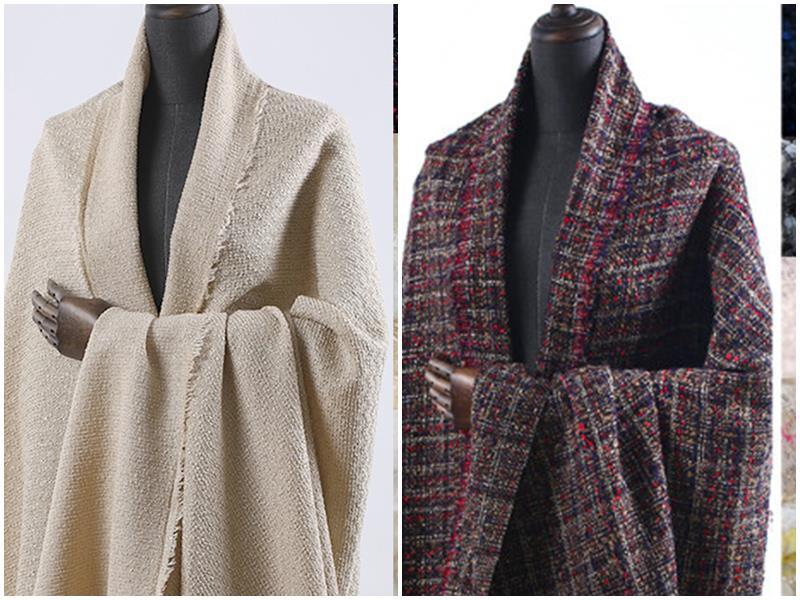
Lastrile fabric
Lastrile fabric is created by blending diene with acrylonitrile. Its most outstanding characteristic is its excellent stretchability and elasticity. Lastrile fabric can stretch up to 50% of its original length and fully recover after being unstretchd. It is a popular material widely used in many fashion products.
Lastrile fabric can be used to make sportswear or underwear due to its high elasticity. Additionally, thanks to its good shape retention and durability, lastrile is also chosen for making shirts to provide flexibility and comfort.
Lastrile fabric
Comparison table of acrylic fabrics
| Characteristic | Original Acrylic Fabric | Modacrylic fabric | Nitrile fabric | Lastrile fabric |
| Main ingredients | At least 85% of the acrylonitrile monomer is derived from petroleum. | Acrylonitrile + other polymers (such as vinylidene chloride) | Mainly vinylidene dinitrile | Acrylonitrile + diene |
| Outstanding advantages | Colorfast, good sun protection, Keeps you warm, prevents shrinkage, Wide variety of colors | Wrinkle-resistant, fire-resistant, more flexible and durable than original acrylic, abrasion-resistant. | Antibacterial, anti-inflammatory and antifungal, high durability, chemical resistant. | Elastic, highly flexible, maintains shape and is firm, fully recovers after stretching. |
| Disadvantages | Prone to pilling, color fading after multiple washes, low absorbency. | Higher cost, less widely used in casual fashion. | Rough surface, difficult to dye. | High cost, only suitable for products requiring high elasticity. |
| Popular applications | Sweaters, scarves, hats, gloves, blankets, rugs | Protective clothing, wigs, hair extensions, elegant trousers | Protective gloves, floor coverings, interior carpets | Sportswear, underwear, shirts |
| Other notable features | It retains heat well, making it suitable for winter products. | Maintains its shape well, soft and lightweight material. | Widely used in industrial and household environments due to its good protective capabilities. | Suitable for products requiring flexibility and a comfortable wearing experience. |
Advantages and disadvantages of acrylic fabric
Some advantages of acrylic fabric
+ Good elasticity. Acrylic fabric has good elasticity due to the combination of acrylic fibers with other fibers such as spandex, elastane, or lycra. Acrylic fabric also recovers after being stretched, without becoming loose or sagging and losing its shape.
+ Good warmth retention. The hollow fiber structure creates air within the fibers, allowing acrylic fabric to retain heat better. Acrylic fabric is also soft and smooth, providing a comfortable and pleasant feeling.
+ Colorfast. Acrylic fabric has good color retention, not fading when exposed to sunlight or washing. This helps the fabric maintain its sharpness and freshness. Acrylic fabric is also not easily stained or affected by detergents.
+ Sun protection. Acrylic fabric is heat-resistant, sun-resistant, and protects the wearer's skin from UV rays, preventing sunburn and aging. This makes acrylic fabric suitable for outdoor or travel clothing.
+ Mold resistant. Because it is made from synthetic fibers, acrylic fabric has the property of limiting the growth of mold or harmful microorganisms. The fabric also does not develop odors or lose its structure when stored for a long time, and is not corroded or decomposed by insects or rodents.
+ Shrinkage resistant. Acrylic fabric maintains its size and shape after washing and drying. This prevents the fabric from shrinking or deforming after multiple uses.
+ Affordable price. Despite possessing many advantages, the price of acrylic fabric is generally lower than natural fabrics such as cotton, wool, or silk.
Some disadvantages of acrylic fabric
+ Prone to pilling. Acrylic fabric has a hollow fiber structure, making it susceptible to friction and creating small fibers that cling to the fabric surface. This causes acrylic fabric to pill easily, losing its smooth and soft texture.
+ Does not absorb sweat. Acrylic fabric has high water resistance, therefore its ability to absorb sweat from the wearer's body is quite low. Acrylic fabric also cannot allow moisture to escape from the inside out.
+ Potential for irritation. Due to its nature as a synthetic fabric, some chemicals in the fabric composition can cause skin irritation, especially for people with dry or allergic skin.
+ Deforms due to high temperatures. Acrylic fabric cannot withstand high temperatures, so you should not iron or machine dry it. If exposed to high temperatures, acrylic fabric will deform, shrink, or melt.
+ Flammable. Acrylic fabric is flammable due to its main component being resin. Therefore, when using acrylic fabric, caution is needed and it should be kept away from high heat sources, as it is easily flammable.
+ Not environmentally friendly. As a synthetic fabric derived from petroleum, a non-renewable resource, the production and consumption of acrylic fabric will cause environmental pollution and energy waste. In addition, acrylic fabric is difficult to decompose in nature, thus creating non-recyclable industrial waste.
How to identify acrylic fabric
Before buying or using products made from acrylic fabric, you should know how to identify it to avoid confusing it with other types of fabric. Below are some detailed identification methods:
Observe with the naked eye.
.png)
Acrylic fabric can be easily identified with the naked eye.
Acrylic fabric has a smooth and slightly glossy surface, with very bright and uniform colors due to its excellent dyeing properties. The fibers typically don't pill like natural wool, and it wrinkles less than cotton.
Touch, feel
When touched, acrylic fabric feels soft but not as smooth and cool as cotton. The elasticity of acrylic fabric depends on the blend composition. But generally, it is not as elastic as spandex.
Experiment
- Fire test: Cut a small piece of the fabric and burn it. Acrylic fibers burn quickly, emit a burning plastic smell, and melt into a hard lump when cooled.
- Water absorption test: Acrylic fabric has very poor water absorption; if you drop a few drops of water onto the surface of the fabric, the water will slide off without soaking into the fibers.
Read the label.
.png)
Check the label to identify acrylic fabric.
Clothing products often clearly state their composition on the label. If the label says “100% Acrylic” or “Acrylic Blend,” you can be sure the product contains acrylic. Some variations, such as Modacrylic or Nytrile, are also specifically indicated.
Common applications of acrylic fabric
Applications of Acrylic Fabric in the Fashion Industry
Since its inception, acrylic fabric has made significant contributions to the fashion and garment industry. True to its original purpose, acrylic fabric has become an effective alternative to natural wool, a fabric known for its high cost. With its diverse colors, colorfastness, sun protection, shrinkage resistance, and excellent warmth retention, acrylic fabric has become a popular choice for manufacturers.
Some applications of acrylic fabric include its use in the production of sportswear such as baseball jackets, basketball jerseys, and soccer uniforms, thanks to its good elasticity and high durability. Acrylic fabric is also one of the most widely used fabrics for sweaters because it retains warmth well, doesn't shrink when washed, and is cheaper than natural wool.
Additionally, acrylic fabric is also used in the production of hoodies, jackets, scarves, shoes, gloves, socks, and hats for both men and women.

Applications of acrylic fabric in the fashion industry.
Applications of Acrylic Fabric in Interior Design and Decoration
Besides its common applications in the fashion and garment industry, acrylic fabric is also used in interior design and decoration. With its colorfastness and good heat resistance, this fabric is chosen for curtain production due to its ability to block ultraviolet rays from sunlight, protecting living spaces from harsh heat.
In addition, acrylic fabric is also used to make carpets or sofa upholstery because of its softness and comfort, durability, good elasticity, water resistance, and ease of cleaning. Furthermore, thanks to its diverse color combinations, acrylic fabric is also used for tablecloths, offering both aesthetic appeal and resistance to stains and yellowing.

Applications of acrylic fabric in interior design and decoration.
Other Applications of Acrylic Fabric
Besides its common applications in fashion and interior decoration, acrylic fabric is also chosen in the production of several other materials.
- Used in outdoor tents. Acrylic fabric is waterproof, sun-resistant, and can withstand high temperatures, making it very suitable for use in outdoor tents. Many tent manufacturers have chosen acrylic fabric because its properties help protect users from the effects of rain and sun in outdoor environments.
- Used in wigs. Acrylic fabric is also used to make wigs, false eyelashes, or makeup accessories because of its high gloss and resemblance to real hair. The fabric can also be easily dyed in many different colors, is highly durable, and does not break or fray during use.

Use as an outdoor tent.
- Used as a knitting material. Similar to its application in sweater production, acrylic fabric is chosen for the production of artificial wool yarn or used as a material in handmade wool products.
- Used in the production of electronic accessories. A common but lesser-known application of acrylic fiber is in the production of electronic accessories. Because acrylic fiber is elastic and does not deform when in contact with electricity, acrylic fabric is often used in decorating phone cases, manufacturing phone covers, electrical switches, or wall paint, etc.

Used as a knitting material.
Comparing acrylic and polyester fabrics, which one is better?
Acrylic and polyester fabrics are two types of synthetic fabrics with many applications in the garment industry. Both fabrics are similar in that they are synthesized and produced from plastics and are both hydrophobic. Overall, polyester fabric is considered slightly superior to acrylic fabric. To compare acrylic and polyester fabrics, let's consider the following criteria:
| Criteria | Describe | Which one is better? |
| Durability | Polyester fabric is more durable due to its strong fiber structure, making it less prone to tearing or deterioration, and it withstands high temperatures without deformation. Acrylic fabric, on the other hand, is more prone to pilling, losing its shape, is flammable, and is affected by high temperatures. | Polyester fabric |
| Elasticity | Acrylic fabric has better elasticity due to the combination of acrylic fibers with other fibers such as spandex, allowing the fabric to stretch flexibly and recover after being stretched. Polyester fabric is less elastic due to its stiff fiber structure and difficulty in stretching. | Acrylic fabric |
| Absorbency | Polyester fabric has lower absorbency due to its high water resistance. This makes polyester feel hot, uncomfortable, and itchy against the skin. Acrylic fabric, although not as absorbent, is better than polyester because of its hollow fiber structure, which allows air to circulate within the fibers. | Acrylic fabric |
| Softness | Acrylic fabric is softer and smoother due to its hollow and fine fiber structure, providing a comfortable and pleasant feel for the wearer. Polyester fabric, on the other hand, is stiffer and rougher due to its dense and coarse fiber structure. | Acrylic fabric |
| Gloss | Polyester fabric has a higher sheen due to the light-reflecting fibers in its composition. This gives polyester fabric a luxurious and modern look. Acrylic fabric, on the other hand, is duller and more subdued because its fiber structure absorbs light. | Polyester fabric |
Some notes on how to care for acrylic fabric.
To ensure that acrylic fabric maintains its beauty and durability during use, please refer to the following tips on how to care for it:
- When washing acrylic fabric, use warm water and choose a gentle wash cycle. Avoid using strong detergents or hot water as this will cause the fabric to fade and lose its shape quickly.
- If washing by hand, gently wring the fabric by hand and do not twist it too forcefully. Also, do not leave the fabric wet for too long in the washing machine or in the drum as this will cause yellowing and unpleasant odors.
- For most wool products, you should put them in a laundry bag when washing in a machine. This will reduce pilling, extend the lifespan, and increase the durability of the product.

Do not dry fabric directly in strong sunlight.
- You should avoid drying acrylic fabrics directly in strong sunlight or near other heat sources, as this can easily burn and deform the fabric due to the high temperature sensitivity of the acrylic fibers. When drying, hang the fabric on hangers or a plastic or stainless steel drying rack, preferably in a cool, breezy location for quick drying.
- If using a dryer, use a low, short setting. Remove the fabric as soon as it's dry and avoid leaving it in the dryer for too long, as this can cause pilling, shrinkage, and reduced elasticity.
- When ironing acrylic clothing, use a low setting and cover the garment with a cloth. Avoid ironing directly on the fabric surface or stretching it excessively, as this can cause the fabric to sag and deform.

Fold and store clothes neatly.
Conclude
This article has introduced you to what acrylic fabric is, as well as its advantages and disadvantages, applications, and care instructions. Hopefully, you have gained useful information from this article. Follow Celiblog for regular updates on fashion tips and information every week.


Ecrit par Celi Dior
Laisser un commentaire
Ce site est protégé par hCaptcha, et la Politique de confidentialité et les Conditions de service de hCaptcha s’appliquent.